
A solar system is a long-term investment, and it pays you back best when it is looked after. Most panels in Pakistan are expected to work for 20 to 25 years, but a film of dust, a layer of smog grime, or a neglected fault in the wiring can quietly shave off your savings month after month. The good news is that keeping your system healthy is simple, cheap, and takes only a few hours a year.
This guide walks you through everything a Pakistani solar owner needs to know: how and when to clean panels, the mistakes that can damage them, routine checks of wiring and inverters, precautions for the monsoon season, and the warning signs that mean it is time to call a technician.
Why Cleaning Matters More in Pakistan
Dust is the single biggest thief of solar output in Pakistan. According to the US National Renewable Energy Laboratory (NREL), energy losses from soiling can reach up to 7% annually in some areas, and studies in dusty climates report losses of 15% to 35% when panels are left dirty. Local conditions make it worse: dust storms coat rooftop panels in fine dust, Lahore’s winter smog leaves a sticky oily film that clings to glass, and panels installed at a shallow tilt trap dust because rain cannot wash them off properly.
The damage is not just lost units on your bill. Uneven soiling — a bird dropping or patch of dried mud stuck on one corner — can cause hotspots, where a shaded cell overheats and degrades. Over time, hotspots can permanently damage the panel, so cleaning protects the hardware, not just your daily generation.
How to Clean Your Panels the Right Way
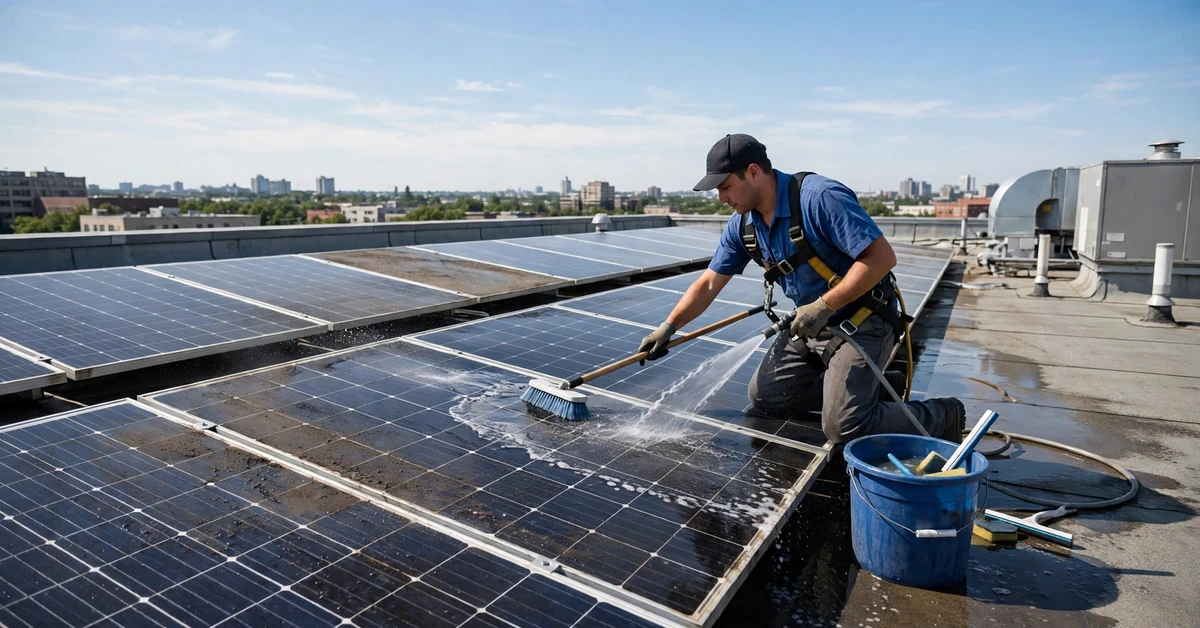
You need nothing fancier than a garden hose, a bucket of water, a soft sponge or soft-bristled brush, and a rubber squeegee. Start by rinsing the panels with water from a hose fitted with a gentle spray nozzle to remove loose dust — never use a high-pressure washer, which can crack the glass, break the edge seals, force water into junction boxes, and void your warranty.
Next, gently wipe the surface with a soft sponge dipped in clean or mildly soapy water. For stubborn spots like bird droppings, soak the area for a few minutes rather than scrubbing hard. Rinse thoroughly with clean water, then finish with a squeegee stroke in one direction to remove excess water, especially if your tap water is hard and leaves mineral stains. Let the panels air-dry afterwards.
Using the right brush makes the job safer and quicker, so it is worth checking the latest solar cleaning brush prices first.
For the best results over the system’s lifetime, good panel glass matters too — it is worth reading a comparison of the best solar panels available in Pakistan in 2026 before you buy, since strong anti-soiling coatings make maintenance easier.
When Should You Clean?
General guidance is to clean residential panels 2 to 4 times a year, but in Pakistan’s dusty environment you should plan on cleaning more often. The table below is a practical schedule for local conditions.
| Condition | Suggested frequency | Notes |
|---|---|---|
| Normal city rooftop | Every 2 to 3 months | Rinse after every major dust storm |
| Near construction site or unpaved road | Monthly | Heavy dust load; check output weekly |
| Lahore winter smog season | Every 4 to 6 weeks | Sticky smog film needs soapy water, not just a rinse |
| After a dust storm | Within 2 to 3 days | One storm can cut output by 15% or more |
| Monsoon season (July to September) | Inspect monthly | Rain helps, but muddy residue and droppings still need manual cleaning |
Your own output data is the most reliable signal. If your monitoring app shows a gradual decline over several weeks with no change in weather, dirty panels are the likely cause. In winter, some output loss comes from the weather itself — read how fog and smog cut winter solar output in Pakistan to tell seasonal dips apart from dirt.
What to Avoid: The Costly Mistakes
Cold water on hot panels. Never spray cold water on panels heated by midday sun. The sudden temperature change — thermal shock — can crack the tempered glass. Clean early in the morning or late in the evening, or on an overcast day.
Pressure washers and sharp tools. High-pressure spray causes microcracks and damages seals. Metal scrapers, sandpaper, and abrasive pads scratch the anti-reflective coating, permanently reducing light absorption.
Harsh chemicals. Avoid bleach, ammonia, and strong acids or alkalis, which can corrode the frame and degrade the glass coating. Mild detergent, or a 1:10 mix of isopropyl alcohol and water for oily stains, is enough.
Walking on panels. Never step or stand on panels — your weight can cause invisible microcracks that degrade output over time. Use an extension pole or a safely positioned ladder.
Cleaning while the system is live. Shut down the inverter first, and keep water away from the wiring underneath the panels and from the inverter itself.
Checking Wiring and Inverter
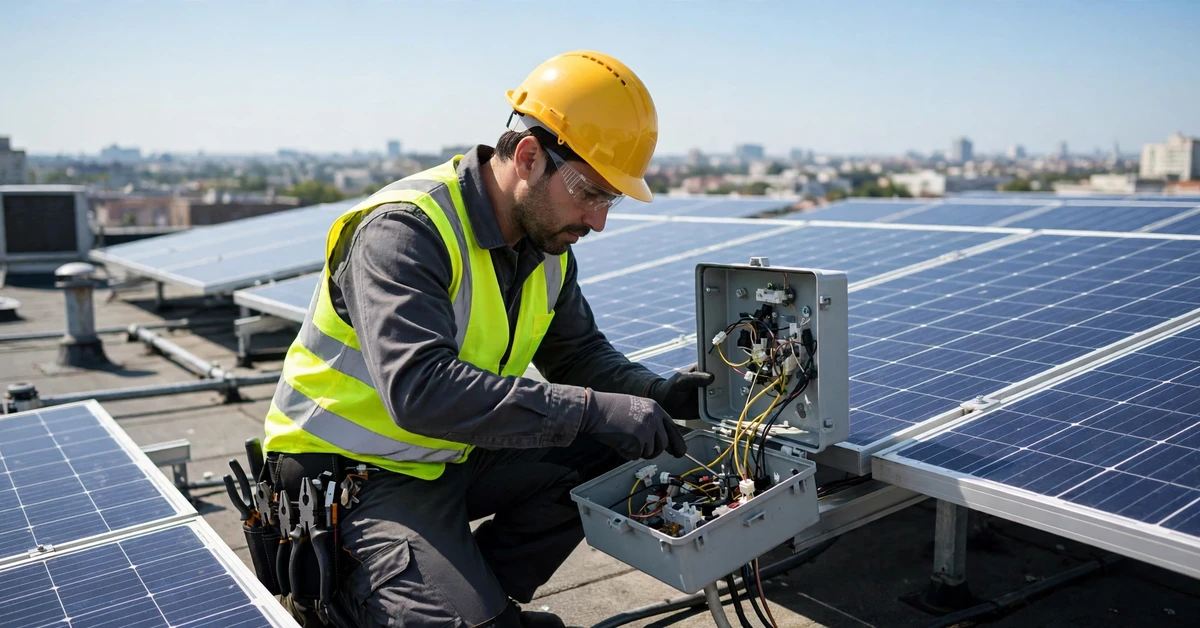
Twice a year, give the electrical side of your system a visual check. Look along cable runs for rodent damage, UV-brittled insulation, or loose connectors at the MC4 plugs. Check that mounting bolts are tight and that panels have not shifted after strong winds. Open the inverter area and look for warning lights or error codes, and keep the inverter ventilated and free of dust — a clogged heat sink makes the fan work harder and shortens the unit’s life. Our complete inverter buying guide for Pakistan explains the common fault codes.
If your system uses batteries, check terminals for corrosion and keep them tight and dry. The lithium versus tubular battery comparison explains which battery types need more hands-on care. And if your array is on-grid with net metering, output drops are easier to spot because you can see both generation and export figures on your bill.
Monsoon Precautions
The monsoon brings relief from dust but introduces its own risks. Heavy rain can loosen mounting structures, so inspect bolts and clamps after the first big storm. Water pooling on flat rooftops near cable entries is a classic source of earth faults — check that cable glands and junction boxes are sealed and that conduit ends point downward so water cannot run in.
Lightning is a real threat during monsoon season. A properly installed system should have surge protection devices on both the DC and AC sides plus a good earth connection. If your installer skipped earthing, get it rectified before the monsoon peaks — this is one job that must not wait. After a storm, check for cracked panels from flying debris and review your generation data for sudden drops.
When to Call a Technician
Routine cleaning and visual checks are fine to do yourself, but call your installer or a qualified technician if you notice a sudden sharp drop in output that does not recover after cleaning; discoloured, brown, or snail-trail marks on cells, which can signal cell damage; cracked glass, delamination, or panels that have visibly shifted; inverter error codes you cannot clear; or any burning smell, scorch marks, or sparking near the wiring or distribution board — treat these as urgent.
Never attempt DIY repairs on wiring, connectors, or mounting structures. Do-it-yourself electrical work risks electric shock, can void both the installer warranty and the panel manufacturer’s warranty, and often creates bigger problems than it solves. If you are still sizing a system, remember that slightly oversizing — explained in our panel load calculator guide — gives you headroom so that a dirty spell costs you less in absolute terms.
Even with careful cleaning and checks, output falls slowly over time, which is why understanding the solar panel degradation rate matters.
Frequently Asked Questions
How often should I clean my solar panels in Pakistan?
For a typical city rooftop, every 2 to 3 months is a good baseline. Clean monthly near construction sites or unpaved roads, and every 4 to 6 weeks during Lahore’s smog season. Always clean within a few days of a major dust storm.
Can I clean my solar panels myself?
Yes. A garden hose with a gentle nozzle, a soft sponge, mild soap, and a squeegee are all you need. Shut the system down first, clean when panels are cool, and never climb onto the panels. For high or hard-to-reach roofs, hire a professional.
Is it safe to use a pressure washer on solar panels?
No. Pressure washers can crack the glass, break edge seals, and force water into junction boxes, and may void your warranty. Use a standard garden hose with a low-pressure nozzle instead.
Does rain clean solar panels by itself?
Rain washes off loose dust from tilted panels, but it will not remove bird droppings, tree sap, smog film, or muddy residue. During the monsoon you still need monthly inspections, and sticky grime needs a manual clean.
What time of day is best for cleaning?
Early morning or late evening, when the panels are cool. Cold water on hot midday panels can cause thermal shock and crack the tempered glass.
How much output can dirty panels lose?
The US National Renewable Energy Laboratory reports annual soiling losses of up to 7% in some US regions, while studies in dusty climates show 15% to 35% losses when cleaning is neglected. A single dust storm can cut output by around 15% in a day.



One Comment