
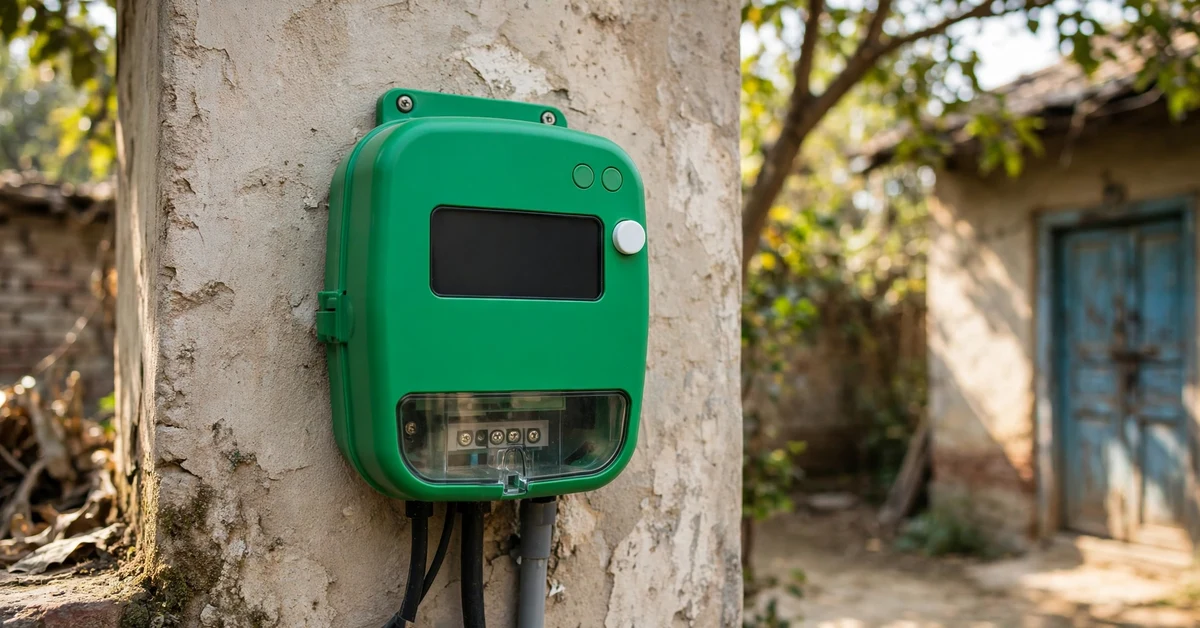
Solar panels on your roof only tell half the story. What happens to the extra electricity they generate during the day — and what you pay for the electricity you draw at night — is decided by net metering. In 2026 this system changed fundamentally: NEPRA replaced the old one-to-one net metering with a new net billing framework under the Prosumer Regulations, 2026. This complete guide explains how net metering and green meters work now, how to apply, what it costs, and whether it still pays.
What is net metering?
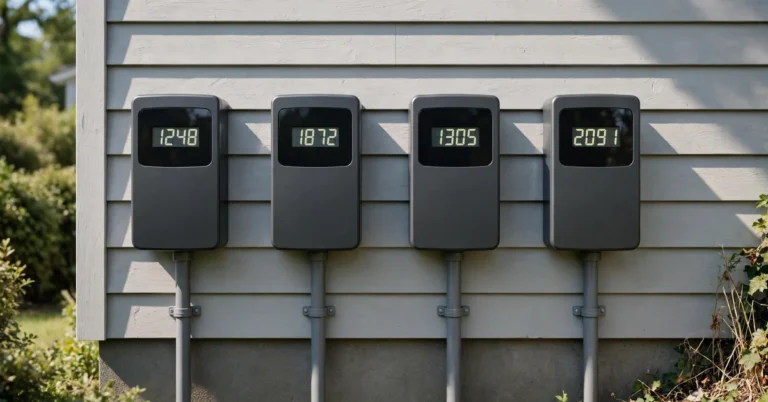
Net metering connects your solar system to the national grid through a special bidirectional (green) meter that measures electricity in both directions: the units you import from the grid and the units your system exports to it. Under the old 2015 rules, one exported unit cancelled one imported unit on your bill — a one-to-one swap.
That era has ended for new applicants. Under NEPRA’s Prosumer Regulations, 2026, exported and imported units are billed separately (net billing): the DISCO buys your excess solar at the national average energy purchase price — reported around Rs 11 per unit, down from about Rs 25.9 under the old regime — while charging you the full consumer tariff (up to roughly Rs 50 per unit) for what you import. Existing agreements signed under the old rules are generally honoured until they expire; renewals fall under the new rules with a five-year term instead of seven.
If you are new to the concept, start with our short what is net metering in Pakistan explainer, then come back for the detail below.
Green meters and AMI smart meters
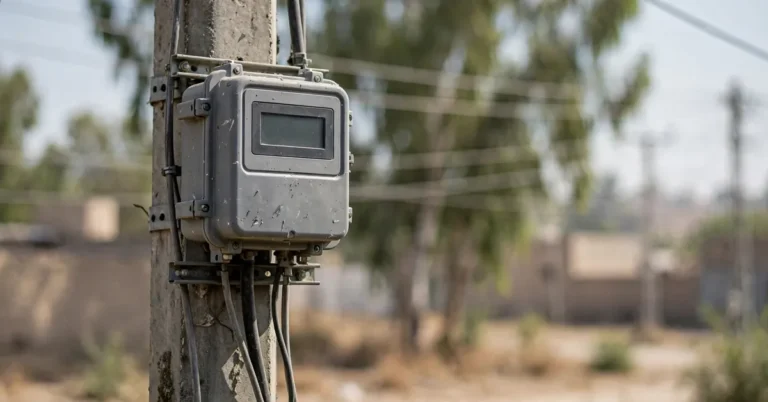
The “green meter” is the common name for the bidirectional meter on a solar connection. One practical change: LESCO stopped buying the old green bidirectional meters in September 2025 and now installs AMI (advanced metering infrastructure) smart meters on solar connections instead. Other DISCOs are moving the same way. Functionally they do the same job — record import and export separately — with remote reading and tamper detection. Our green meter to AMI meter in Pakistan guide explains the transition in detail.

Who can apply — eligibility rules
- You need a three-phase connection with a sanctioned load that covers your planned solar size — the system capacity may not exceed your sanctioned load.
- The maximum system size under the 2026 regulations is 1 MW; systems of 250 kW and above need a load-flow study.
- Your DISCO can refuse new connections if the local transformer’s solar generation has hit 80% of its capacity — transformer headroom is a real and growing constraint in dense urban areas.
- Only certified equipment and (in practice) a NEPRA-registered installer will pass inspection.
How to apply: step by step
- Install a grid-compatible system first. On-grid or hybrid, properly earthed, with a certified inverter sized within your sanctioned load. Size the inverter to your actual load using our solar inverter size calculator guide before buying.
- Prepare your documents. CNIC copy, recent paid electricity bill, consumer reference number, property ownership papers (or rent agreement plus owner NOC), single-line diagram, panel and inverter datasheets, installer undertaking, earthing and safety reports, and photos of the installed system.
- Submit the application. LESCO applications go through the PITC Net Billing Portal (nmp.pitc.com.pk); other DISCOs accept applications at their subdivision or customer-service centres. Your installer usually handles this.
- Acknowledgement within 5 working days. The DISCO confirms receipt and flags any missing document — you get 7 working days to fix gaps.
- Technical review within 15 working days. The DISCO checks feasibility (including transformer headroom). If refused, it must give written reasons.
- Sign the agreement within 7 working days of approval.
- Demand notice and payment. Within 7 working days of the agreement, the DISCO issues a cost estimate for the interconnection and metering; you pay within 7 working days.
- Meter installation and commissioning within 15 working days of payment — the meter installation and meter-change-order (MCO) stage.
- Billing starts once your billing record is updated. Systems up to 25 kW are approved by the DISCO alone; larger systems need NEPRA concurrence first.
Net metering costs in 2026
There is no single published “green meter fee”. The demand notice is an estimate for your specific connection, based on actual material cost (plus a 12% store handling charge) and installation charges. As the prosumer, you pay for the interconnection facilities up to the interconnection point, including the meter — and if the DISCO has no suitable meter available, the regulations let you buy it yourself (the DISCO must test it before installation). NEPRA’s one-time licence fee bands are:
| System size | NEPRA licence fee (one time) |
|---|---|
| 0 – 20 kW | Free |
| 20 – 50 kW | Rs 500 |
| 50 – 100 kW | Rs 1,000 |
| 100 – 1,000 kW | Rs 5,000 |
How billing and payback work under net billing
Consider a home that generates 800 units in a month, consumes 300 during solar hours, and exports 500. Under the old one-to-one system, those 500 exported units offset 500 imported units directly. Under net billing, the 500 exported units earn roughly Rs 11 each (about Rs 5,500 credit), while the 500 units imported later cost the full tariff — potentially Rs 40–50 each. The lesson: self-consumption is now the profit centre. Every unit you use directly during solar hours (running the AC, washing machine, water pump in daytime) saves you a full-tariff unit; every unit exported earns only the buyback rate.
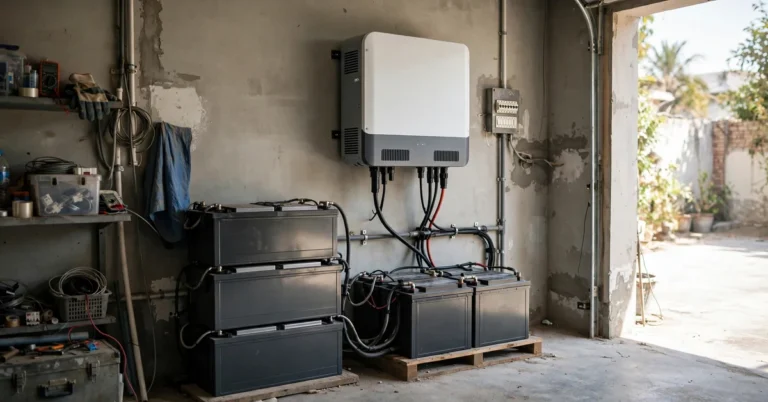
This is why hybrid systems with batteries have become much more attractive in 2026: storing daytime surplus for evening use avoids both the low export rate and the high import rate, while also covering load shedding. Payback for a well-sized system is still typically 3–5 years, but only if the system is sized to your daytime consumption, not your total bill. A 5 kW system generating around 600 units a month still makes sense — see our 5 kW solar system price in Pakistan breakdown for the cost side of the equation.
Common delays and how to avoid them
- Incomplete documents — the single biggest cause of delay. Prepare the full checklist before submitting.
- Sanctioned-load mismatch — installing a 15 kW system on a 10 kW sanctioned load will be rejected. Get the load enhanced first if needed.
- Transformer capacity — ask your subdivision about headroom before investing in a large system.
- Uncertified inverters — some DISCOs require the inverter’s manufacturer and serial to be registered; confirm with your installer.
- Slow demand-notice payment — the 15-day installation clock only starts after you pay.
FAQs
Is net metering still worth it in Pakistan in 2026?
Yes, but the maths changed. With exports bought at around Rs 11/unit and imports charged at full tariff, the value now comes from self-consumption and right-sizing — not from exporting a surplus. Hybrid systems with storage benefit most.
What is a green meter?
A bidirectional electricity meter that separately records the units you import from the grid and the units your solar system exports. DISCOs are now installing AMI smart meters for the same purpose.
How long does the net metering application take?
The regulations set binding timelines: 5 working days for acknowledgement, 15 for technical review, 7 for the agreement, 7 for the demand notice, and 15 for meter installation after payment — roughly 7–10 weeks end to end if documents are complete.
Can tenants apply for net metering?
Yes, with a rent agreement and a no-objection certificate from the property owner, plus the standard documents.
What happens to my old net metering agreement?
Agreements executed under the pre-2026 rules are generally honoured until expiry under transitional provisions; renewals are governed by the new Prosumer Regulations, 2026. Check the date and status of your agreement with your DISCO.
Those official fees are only part of the bill, so for the meter hardware, inspection and paperwork charges on top, work through the full breakdown of net metering costs and real payback.

11 Comments