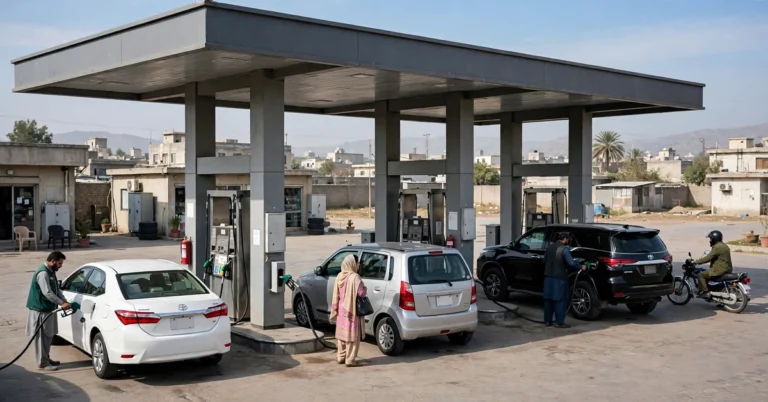
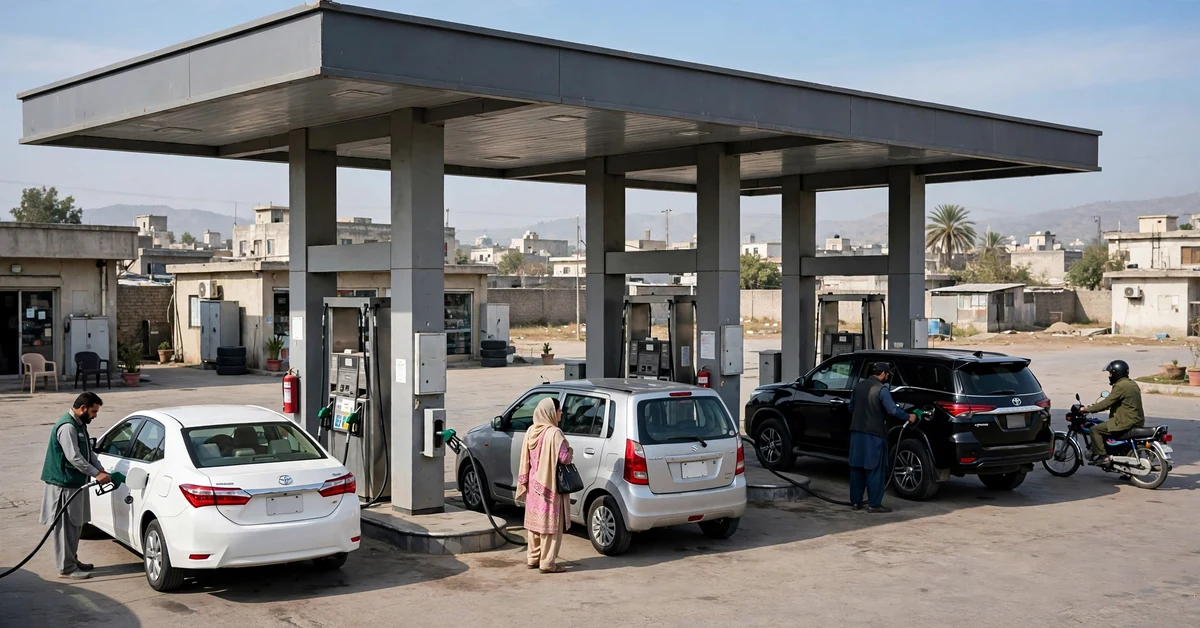
The federal government has revised fuel prices yet again, this time moving them slightly upward. Under the latest OGRA notification, petrol has increased by 88 paisas per litre to Rs 382.02, while high-speed diesel (HSD) is up by 53 paisas per litre to Rs 389.80. The revised rates take effect from 21 October 2026 and apply uniformly across Pakistan.
The small upward adjustment comes just one day after the sizeable relief of 20 October, when petrol was cut by Rs 5.16 and diesel by Rs 7.69 per litre. It is a reminder of how quickly prices now move under the government’s daily pricing mechanism, where rates can be revised every single day based on international market movements.
New Petrol and Diesel Prices from 21 October 2026
| Fuel | Previous price | Change | New price |
|---|---|---|---|
| Petrol (Super) | Rs 381.14 | +Rs 0.88 | Rs 382.02 |
| High-Speed Diesel | Rs 389.27 | +Rs 0.53 | Rs 389.80 |
For an ordinary motorist, the increase is modest. A 40-litre tank of petrol now costs about Rs 35 more than it did yesterday. For diesel users — transporters, farmers and commercial fleets — a 100-litre fill costs roughly Rs 53 extra. Small in isolation, but it adds to a fuel bill that is still close to Rs 400 a litre.
October Price History: A Month of Frequent Revisions
October 2026 has seen some of the most frequent fuel price changes in recent memory, with rates revised almost every day under the new mechanism. Here is how the month has unfolded:
| Revision date | Petrol (Rs/L) | Diesel (Rs/L) |
|---|---|---|
| 2 October 2026 | 390.66 | 399.34 |
| 6 October 2026 | 393.64 | 397.76 |
| 14 October 2026 | 392.66 | 396.82 |
| 17 October 2026 | 386.30 | 396.96 |
| 20 October 2026 | 381.14 | 389.27 |
| 21 October 2026 | 382.02 | 389.80 |
Even after today’s uptick, the overall direction this month is still downward. Petrol has come down from around Rs 393.64 at the start of the month to Rs 382.02 today — a drop of nearly Rs 11.60 a litre. Diesel has fallen by roughly Rs 8 a litre over the same period. See our earlier coverage: petrol price on 17 October 2026.
Why Did Prices Go Up Today?
According to the press release issued by the Ministry of Energy (Petroleum Division), OGRA revised the ex-depot prices under the federal government’s petroleum pricing mechanism. The adjustments were necessitated by global developments, including changes in Platts reference rates, import premiums and incidental costs.
The key driver is the daily pricing mechanism itself. Announced on 17 July 2026, it replaced the weekly review system so that domestic pump prices track international oil markets more quickly. Under the federal cabinet-approved framework, OGRA determines and announces daily ex-depot prices for petrol and high-speed diesel using international market prices recorded over the preceding seven days. When the seven-day average moves up, even slightly, domestic prices follow the next day — which is exactly what happened today.
Petroleum Minister Ali Pervaiz Malik has said the daily prices are determined using a seven-day average of international market prices, in line with international practice. The shift to daily reviews came amid renewed hostilities in the Middle East and uncertainty over energy supplies through the Strait of Hormuz, a key route for global oil and gas shipments. Pakistan had earlier shifted from fortnightly to weekly reviews after the outbreak of conflict in the Middle East on 28 February; the daily system is the next step in that direction.
Where Your Money Goes: Taxes and Levies on Fuel
A large part of what you pay at the pump is not the fuel itself but government levies and margins. Current reporting puts total taxes and duties at around Rs 114 per litre on petrol and Rs 100 per litre on diesel.
The breakdown includes a Petroleum Levy of Rs 80 per litre, a Climate Support Levy of Rs 5 per litre, plus standard dealer and oil marketing company (OMC) margins. Official price breakdowns published around recent revisions list petrol import costs at roughly Rs 279–283 per litre, with the rest made up of fixed levies and margins — which also means the government has limited room to cut prices without reducing its own levies.
Rs 100 Relief Scheme Still in Place for Bikes and Small Cars
It is worth remembering that on 13 September, Prime Minister Shehbaz Sharif announced a special relief scheme offering Rs 100 per litre off petrol for motorcycles, three-wheeler rickshaws and cars with engines up to 800cc, aimed at shielding lower-income consumers from fuel price volatility.
Under the scheme, an estimated 11.8 million beneficiaries are covered: around 10 million two-wheeler users and 800,000 three-wheeler users are entitled to relief on 20 litres of fuel per month (a maximum monthly benefit of Rs 2,000 each), while one million users of cars up to 800cc receive relief on 30 litres per month (up to Rs 3,000 each). If you ride a bike or drive a small car, this scheme remains the single biggest cushion against today’s increase.
Tips to Cut Your Fuel Bill
With prices still near Rs 380 a litre, small habits make a real difference:
1. Drive smoothly. Aggressive acceleration and hard braking can raise fuel consumption by 15–20%. Anticipate traffic and keep a steady speed.
2. Keep tyres properly inflated. Under-inflated tyres increase rolling resistance and can cost you 2–3% more fuel per trip.
3. Reduce idling. If you are stopped for more than a minute, switching off the engine saves more fuel than restarting costs.
4. Service your vehicle on time. A clogged air filter, worn spark plugs or old engine oil all push consumption up.
5. Plan trips and share rides. Combining errands into one trip avoids cold starts, which are the thirstiest part of any journey.
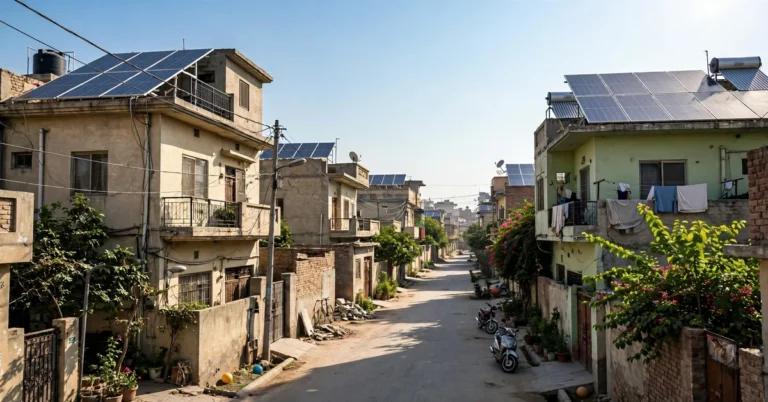
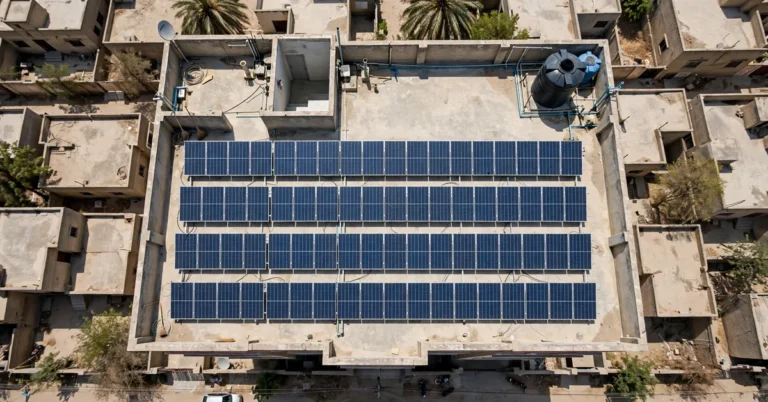
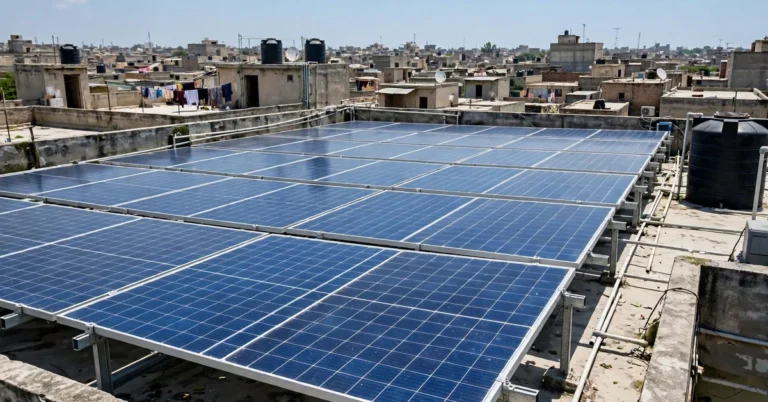
6. Consider the long game. If your monthly fuel bill keeps climbing, compare it against alternatives: a solar-powered home reduces your grid electricity cost, and for many households the net billing rules for rooftop solar still make self-consumption attractive. Our best solar panels of 2026 guide compares what panels actually cost today — the typical market rate is around Rs 40 per watt. See also the solar panel price in Pakistan 2026 tracker and our explainer on hybrid vs on-grid vs off-grid systems.
The following day brought a further cut, with petrol dropping to Rs 379.31 in the 22 October update.
Frequently Asked Questions
Q: What is the petrol price in Pakistan today?
A: As of 21 October 2026, petrol costs Rs 382.02 per litre and high-speed diesel costs Rs 389.80 per litre, following an increase of 88 paisas and 53 paisas respectively.
Q: Why are petrol prices revised daily now?
A: Under the mechanism announced on 17 July 2026, OGRA sets daily ex-depot prices using a seven-day average of international market prices, so domestic rates respond faster to global oil movements. Prices were previously revised weekly, and fortnightly before that.
Q: Why do petrol prices stay the same in every city?
A: Under the Inland Freight Equalisation Margin mechanism, transport costs from ports and refineries are equalised, so regulated petrol and diesel sell at the same baseline price nationwide.
Q: Will prices keep rising?
A: That depends on international oil markets, the rupee and Middle East tensions affecting supply routes. Under the daily mechanism, the next revision comes tomorrow — we will cover every change here as always.
Tracking energy costs? Bookmark our fuel and solar coverage: the 17 October petrol update, the net metering and net billing guide, and the best solar panels of 2026.