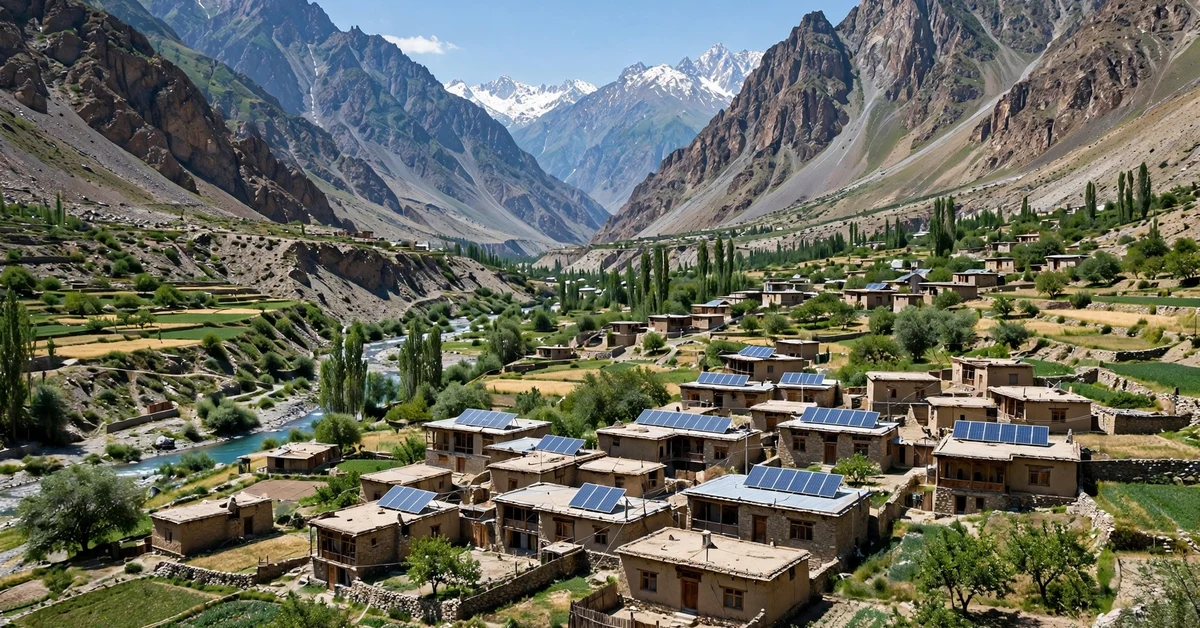
Prime Minister Shehbaz Sharif has launched a free solar panel scheme for Gilgit-Baltistan aimed at tackling the region’s chronic electricity shortages. With a total capacity of 58.8 megawatts, the programme will provide solar panels free of cost to 147,873 verified beneficiaries — households and small and medium enterprises across the mountainous region.
Gilgit-Baltistan has long suffered severe power shortages. Cut off from the national grid and dependent on limited hydel generation that dwindles in winter, residents face long hours of load-shedding every day. In a region where rivers freeze and temperatures plunge, reliable electricity is not a luxury — it is a lifeline.
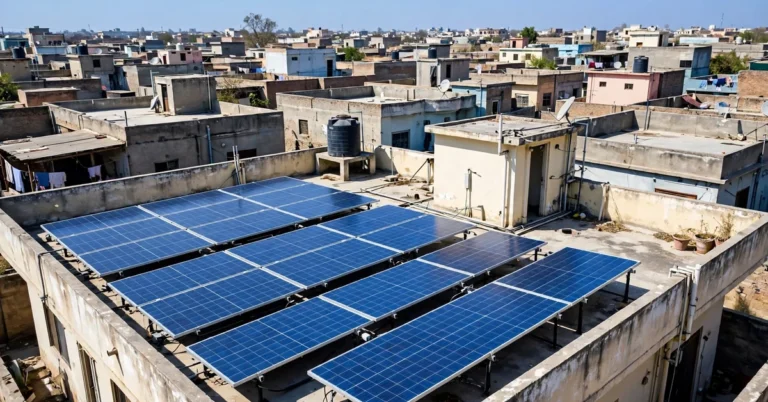
The scheme is one of the largest targeted solar distributions announced for the region. By placing panels directly in the hands of verified households and businesses, the government aims to cut dependence on expensive diesel generators and kerosene lamps while giving families a clean, dependable source of daytime power.
What Beneficiaries Get — and What They Must Arrange
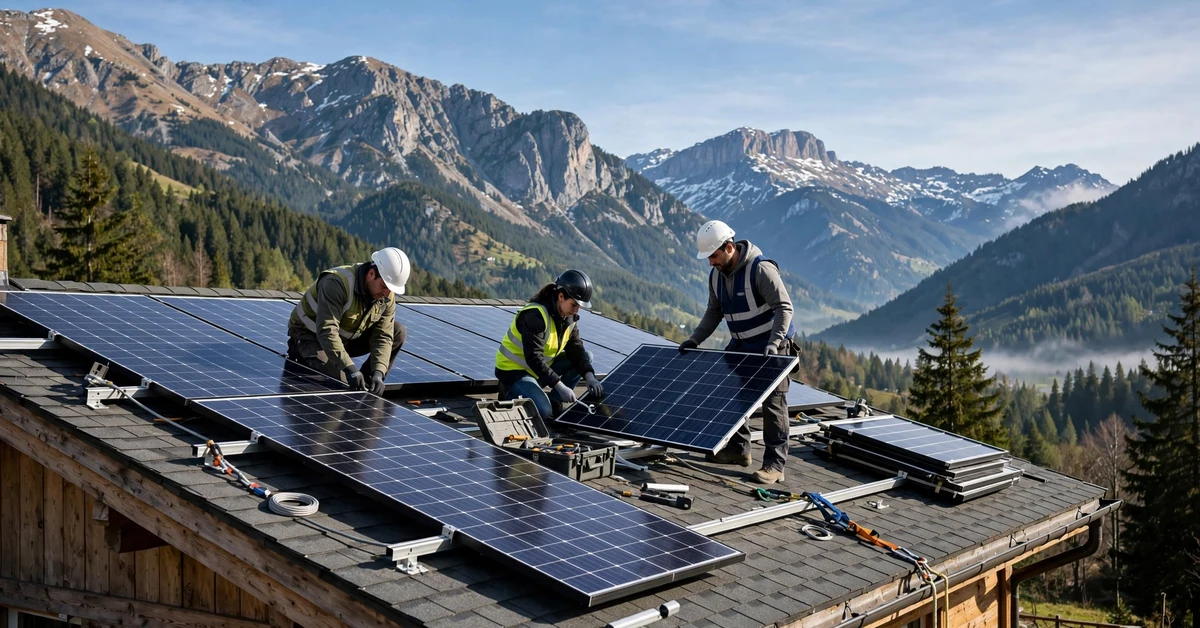
Under the scheme, eligible beneficiaries receive solar panels completely free of cost. Panels alone, however, do not make a working system: beneficiaries must arrange batteries, inverters and transportation of the equipment themselves. The important exception is the neediest households — identified through verified Benazir Income Support Programme (BISP) data — who receive complete off-grid solar kits, including panels, batteries and inverters, entirely free.
Who Is Eligible?
The scheme is open to verified households and small and medium enterprises in Gilgit-Baltistan. Verification sits at the heart of the programme: applicants go through technical evaluation and district-level scrutiny before selection. The neediest families, shortlisted through authenticated BISP records, are prioritised for the complete free kits — ensuring the support reaches those who need it most.
How to Apply — Step by Step
Applications are accepted through two channels: the government online portal and district administration offices. Applicants should keep the following ready before applying:
- A valid CNIC of the applicant.
- Proof of residence in Gilgit-Baltistan.
- BISP registration details, where applicable, for the complete-kit category.
- Business registration or proof of enterprise for SME applicants.
- Details of current electricity supply and load-shedding hours, if available.
After submission, applications pass through technical evaluation and district-level scrutiny. Successful applicants then enter a transparent digital balloting process, with public draws held district by district.
Transparent Balloting: Where Things Stand
Selection is carried out through digital balloting to keep the process fair and transparent. The first public draw has already been completed in Gilgit district. Draws for Nagar, Hunza and Ghizer are currently underway, while Astore and Diamer are scheduled next — so applicants in those districts should watch official announcements closely.
The 100MW GB Solarisation Programme
Running alongside the free-panel scheme is the federal 100MW solarisation programme for Gilgit-Baltistan. Under this programme, 18MW of rooftop solar will be installed on government buildings in the Gilgit and Diamer divisions by December 2026, while government buildings in the Baltistan division are to be solarised by October 2026. In parallel, 82MW of household solarisation will continue through 2026–2027 across Gilgit, Skardu, Chilas and Khaplu.
Together, the two initiatives represent the most ambitious solar push the region has seen — combining free panels for verified families with large-scale public and household installations.
See also the PM’s review of the Gilgit-Baltistan 100 MW solar project.
The PM’s Directives: Speed, Funding and Transparency
The Prime Minister has directed speedy completion of both the free-panel scheme and the wider solarisation programme, backed by full federal financing. Crucially, he has ordered independent third-party validation at every stage — from beneficiary verification and balloting to procurement and installation — to guarantee transparency and build public trust in the process.
Why Gilgit-Baltistan Needs This
Gilgit-Baltistan’s geography makes conventional electrification extraordinarily difficult. Scattered mountain villages, harsh winters and long distances from generation sites mean grid extension is slow and costly. In winter, when river flows drop, load-shedding in some districts stretches beyond 20 hours a day — shutting down businesses, schools and healthcare facilities.
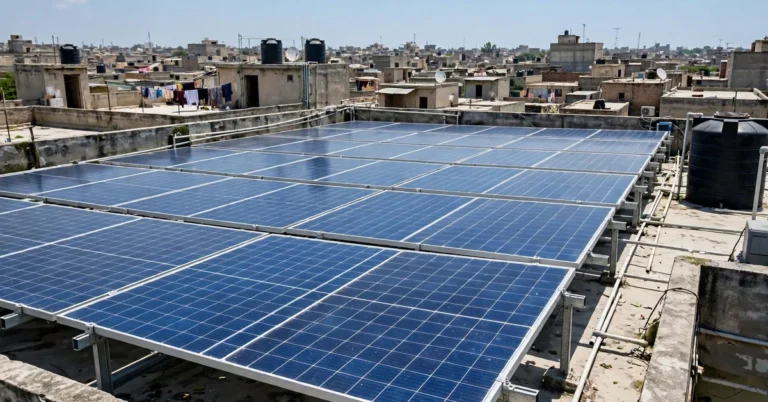
Solar offers a decentralised answer that fits the terrain. The region enjoys clear mountain skies with strong solar irradiance for much of the year, and rooftop systems work village by village without waiting for transmission lines. For households, even a modest system means light in the evening, charged phones and freedom from kerosene smoke.
What Applicants Should Do Next
Eligible residents should apply early through the online portal or their district administration office, keep their documents and BISP records ready, and follow official announcements for balloting schedules in their district. Those selected will need to plan for batteries, inverters and transport — so researching options and prices ahead of time will help them get their systems running quickly.
Going Solar Beyond the Scheme
Whether selected under the scheme or going solar independently, it pays to understand the market. Compare current solar panel prices in Pakistan to see what panels cost today, work out the total solar system cost for the size your home needs, and check the latest lithium battery prices if you are arranging your own storage for evening and load-shedding hours.
Punjab runs a similar programme: the CM Punjab Free Solar Panel Scheme.
Frequently Asked Questions
Who qualifies for the PM free solar panel scheme?
Verified households and small and medium enterprises in Gilgit-Baltistan. The neediest families, identified through authenticated BISP data, receive complete off-grid kits.
Is the scheme really free?
The solar panels are free for selected beneficiaries, but batteries, inverters and transportation must be arranged by the beneficiary — except for BISP-verified neediest households, who receive complete kits entirely free.
How do I apply?
Through the government online portal or at your district administration office, with your CNIC, proof of residence and relevant documents ready.
When will the panels arrive?
Distribution follows district-level balloting. The first public draw is complete in Gilgit; Nagar, Hunza and Ghizer draws are underway, with Astore and Diamer scheduled next.
What about batteries and inverters?
Most beneficiaries arrange these themselves — compare market prices early. BISP-verified neediest households receive batteries and inverters free as part of their complete kit.
With 58.8MW of free panels for 147,873 verified beneficiaries and a parallel 100MW solarisation drive, the programme could reshape energy access in Gilgit-Baltistan — bringing light, warmth and opportunity to a region that has waited far too long for reliable power.
2 Comments