Solar panel temperature coefficient tells you how a module’s electrical performance changes as cell temperature rises above standard test conditions. This matters in Pakistan because strong sunshine can heat modules well above ambient temperature during summer.
What Is Solar Panel Temperature Coefficient?

To compare panel specifications beyond temperature losses, read our solar panels for home buying guide. For safe rooftop installation, see our roof installation guide.
Heat losses grow worse when panels are dirty, which is why our solar panel maintenance and cleaning guide is worth following through the summer.
Manufacturers publish temperature coefficients on the module datasheet, commonly including coefficients for maximum power (Pmax), open-circuit voltage (Voc) and short-circuit current (Isc). The Pmax coefficient is usually expressed as a percentage per degree Celsius.
Why Heat Reduces Solar Panel Power
Solar modules are rated under standardized laboratory conditions. In real installations, cell temperature can be higher. As temperature rises, voltage generally falls, which can reduce maximum power even when sunlight is strong.
How to Compare Panels for Hot Weather
Compare the exact model’s Pmax temperature coefficient rather than relying only on brand name or cell technology. A coefficient closer to zero generally indicates a smaller percentage change in rated maximum power for each degree of temperature increase under the stated test method.
Example Calculation
If two modules have different Pmax temperature coefficients, the one with the less-negative coefficient will generally lose a smaller percentage of rated power from temperature under otherwise comparable conditions. Use the manufacturer’s datasheet values for any real calculation.
Temperature Coefficient vs Efficiency
Module efficiency and temperature coefficient are different specifications. A high-efficiency module can still have a different thermal response from another high-efficiency model. Compare both when roof area and hot-weather performance matter.
Installation Factors That Help in Hot Weather
- Allow suitable rear ventilation according to mounting guidance.
- Avoid installation methods that trap unnecessary heat.
- Use correct string voltage calculations for local temperature extremes.
- Follow inverter and module manufacturer design limits.
FAQs
Do solar panels stop working in extreme heat?
No. Heat generally changes output rather than simply switching a healthy module off. Exact behavior depends on the module and system.
Is N-type always better in heat?
Do not assume performance from the technology label alone. Compare exact model datasheets, especially the Pmax temperature coefficient.
Does cooling solar panels with water improve output?
Routine artificial cooling is generally not the basis for residential system design. Follow manufacturer cleaning and operating guidance instead of using thermal shock or unsafe cooling methods.
Temperature Coefficient and Real-World Yield in Pakistan
Temperature coefficient should be used as one part of a complete energy-yield assessment. A module with a slightly better Pmax coefficient may perform more efficiently during hot operating conditions, but annual production also depends on irradiance, roof orientation, tilt, ventilation, soiling, shading, inverter efficiency and system downtime. For buyers in Lahore, Multan, Bahawalpur, Karachi and other hot regions, the useful comparison is not simply which panel has the highest advertised wattage. It is how the complete system is expected to perform across the year under local conditions.
How to Read a Solar Panel Datasheet
Look for the section labelled temperature characteristics or temperature coefficients. Manufacturers typically publish a percentage-per-degree value for Pmax and separate values for Voc and Isc. Confirm whether the figures apply to the exact module model you are buying because specifications can change between generations, wattages and product families. Also check nominal operating cell temperature or similar thermal information where provided.
Why Mounting and Airflow Matter
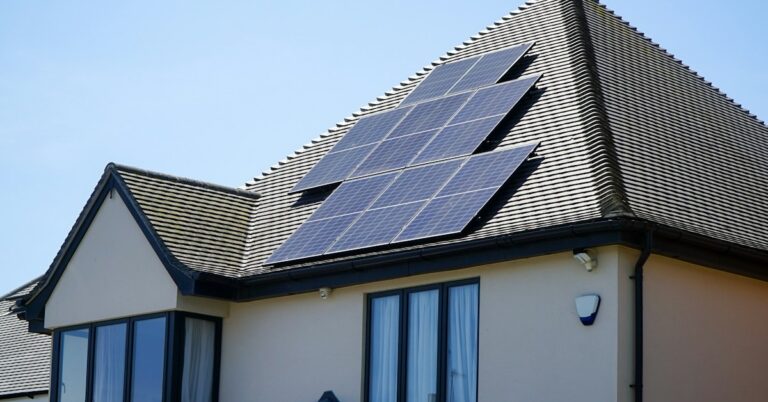
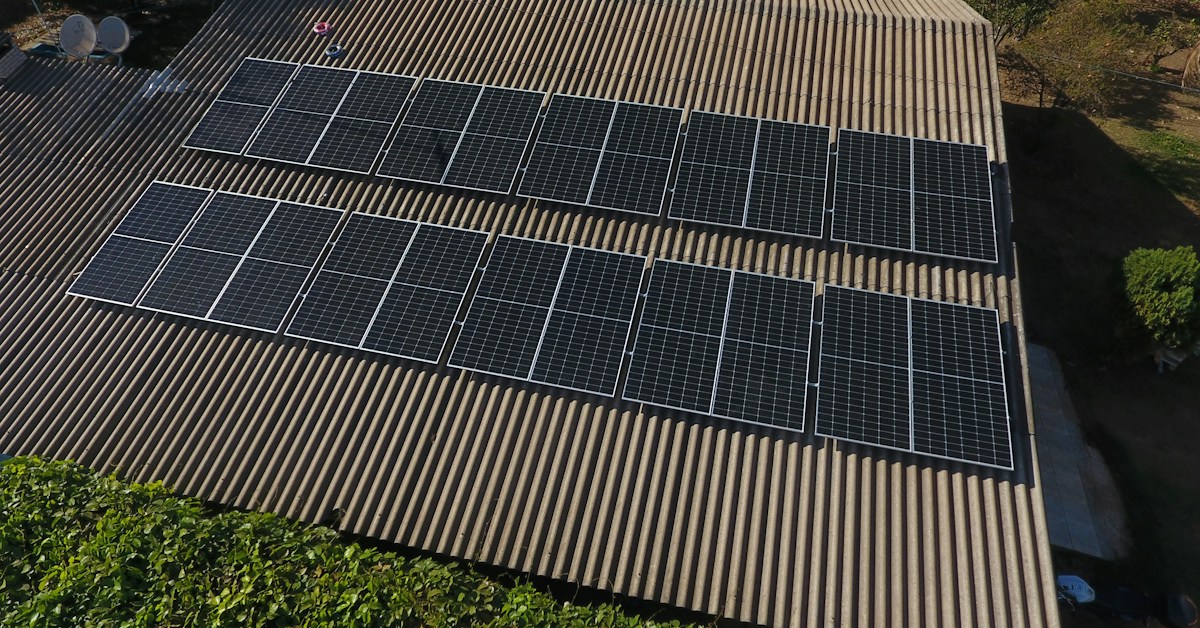
Roof-mounted modules need suitable clearance and ventilation according to the mounting system and manufacturer instructions. Air movement behind the array can help prevent unnecessary heat buildup. This does not turn a hot roof into a cool laboratory environment, but good installation practice can support more predictable thermal behavior and safer operation.
Do Darker Panels Run Hotter?
Appearance alone is not a reliable buying rule. Black-frame or all-black modules may have different thermal characteristics from other designs, but the datasheet and tested performance are more useful than visual assumptions. Choose a module based on electrical and mechanical specifications, warranty support and compatibility with the intended mounting system.
Buying Checklist for Hot-Climate Solar Panels
- Compare exact Pmax temperature coefficients.
- Check module efficiency and dimensions together.
- Review product and performance warranty separately.
- Confirm local distributor authenticity and warranty support.
- Allow for adequate ventilation and safe roof access.
- Validate string voltage for both hot and cold operating conditions.
Temperature Coefficient vs Panel Price
A panel with a better thermal coefficient may cost more, but the decision should be based on total system value. Compare the expected annual yield difference, roof-space constraints, warranty support and installed cost. A small specification advantage may be important on a space-limited roof, while a larger roof may allow a different cost-per-watt trade-off. Ask the installer to show the exact datasheet values used in the proposal rather than relying on a general brand claim.
What Homeowners Should Ask Installers
Before approving a quotation, ask which module model is being supplied, what its Pmax temperature coefficient is, how the array will be ventilated, and how string voltage has been checked for local temperature conditions. These questions help turn a marketing comparison into an engineering-based purchase decision.
Conclusion: For Pakistan’s hot climate, compare exact module temperature coefficients alongside efficiency, warranty, dimensions and system design. The best choice is the model that fits the complete system design rather than the one with a single impressive specification.
The coefficient matters because cell temperatures on a Pakistani roof climb far above the lab rating, which is exactly why output drops — see how heat affects solar panel output.