
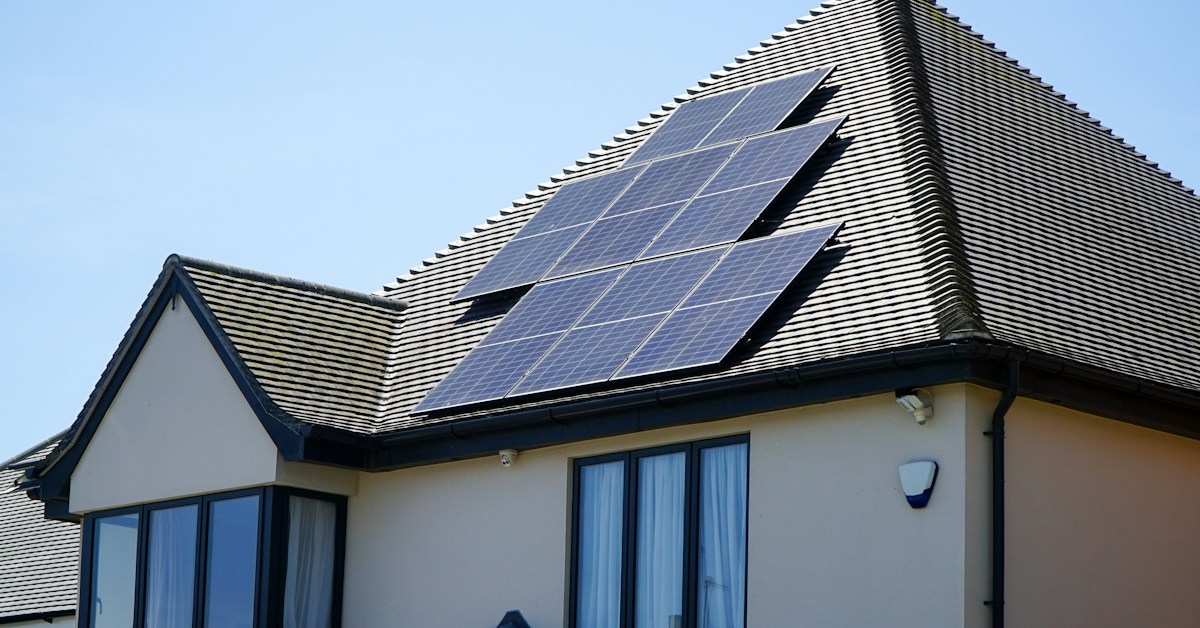
Shade from water tanks, parapet walls, trees, nearby buildings, antennas and other rooftop objects can reduce solar production. The effect is not determined only by the percentage of panel area covered because module electrical layout and string configuration also matter.
Why Partial Shade Matters
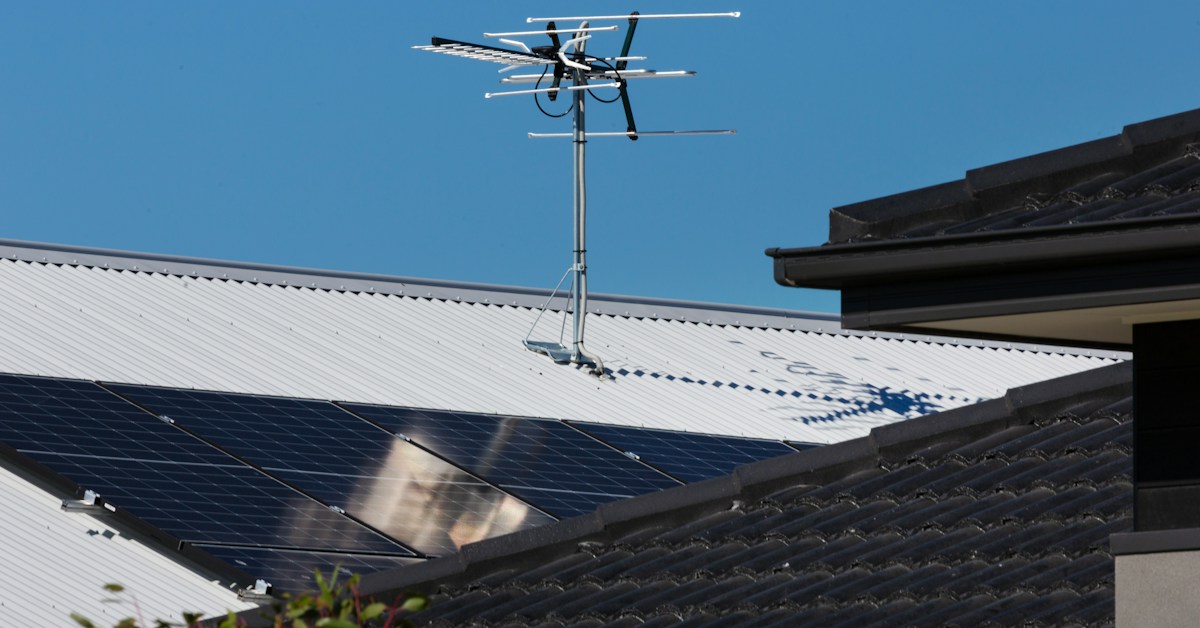
Good array placement begins with a suitable mounting plan. See our solar roof installation guide and our solar panel hail protection guide for related rooftop considerations.
Placement works together with panel angle, and our guide to the best solar panel tilt angle in Pakistan shows how direction and season change it.
Expected losses should also shape system size from the start, so work through how many solar panels you need before settling on a capacity.
Solar cells within a module are electrically interconnected. Modern modules use bypass diodes to reduce some adverse effects of shading, but partial shade can still reduce module or string output depending on where and when it occurs.
Common Shading Sources on Pakistani Roofs
- Water tanks and rooftop rooms.
- Parapet walls.
- Neighboring buildings.
- Trees and vegetation.
- Satellite dishes and antennas.
- New construction around the property.
Morning vs Midday vs Evening Shade
The energy impact depends on timing and duration. Shade during a short low-irradiance period can have a different annual effect from repeated shade during high-production hours. Annual solar-path analysis gives a better picture than checking the roof once.
How to Estimate Shading Loss
Professional design software can model horizon profiles, object shading, string layout and module-level behavior. Avoid assuming that 10% physical shade always equals exactly 10% annual energy loss.
Can Optimizers or Microinverters Fix Shade?
Module-level power electronics can change how mismatch is managed, but they cannot create sunlight where none reaches the module. Their value depends on the system architecture, shade pattern, compatibility and cost.
Design Solutions
- Move arrays away from predictable shadow paths.
- Adjust row spacing and mounting geometry.
- Group similarly exposed modules appropriately across MPPTs.
- Trim vegetation where safe and permitted.
- Reassess shade if nearby construction changes.
FAQs
Does a small shadow stop a whole solar system?
Not necessarily. The effect depends on module design, bypass diodes, string layout, MPPT configuration and the shadow itself.
Do bifacial panels solve shading?
No. Rear-side irradiance can contribute energy in suitable installations, but bifacial modules still require good shade-aware design.
Should panels be installed next to a water tank?
Only after checking the tank’s shadow throughout relevant sun angles and seasons.
Why Winter Shade Can Be Different From Summer Shade
The sun’s path changes through the year, so an object that causes little summer shading may cast a much longer shadow during winter. Water tanks, rooftop rooms and parapet walls are common examples. A useful shade assessment considers seasonal sun angles instead of checking only one day or one month.
String Layout and MPPT Design
Modules connected in the same string influence how that string operates. When roof sections have different orientations or shade patterns, designers may separate them across available MPPT inputs where the inverter and string design allow it. This can help the inverter track different operating conditions more effectively.
Bypass Diodes: Helpful but Not Magic
Bypass diodes can allow current to move around affected cell groups under certain shading conditions, helping limit severe mismatch and hot-spot risk. They do not eliminate all energy loss from shade. Their behavior depends on module design and the location of the shadow across the cells.
Trees and Future Roof Changes
Solar is a long-term installation, so consider how the surroundings may change. Trees grow, new floors are added to buildings and rooftop equipment can be installed later. Keeping a clear record of array layout and shadow-sensitive zones can make future roof planning easier.
How to Reduce Shade Before Buying Extra Hardware
The first solution should usually be good array placement. If a shaded section can be avoided, moved or redesigned safely, that may be more effective than relying on additional electronics. Module-level power electronics can be useful in some layouts, but they add cost and components and should be selected for a clear design reason. Orientation matters too — compare south-facing versus east-west panel orientation in Pakistan before finalizing your array layout.
Shading Survey Checklist
- Inspect the roof at different times of day.
- Consider seasonal sun positions.
- Map water tanks, walls, trees and neighboring structures.
- Review module orientation and row spacing.
- Check how strings are allocated across MPPT inputs.
- Model annual energy loss where possible.
- Keep maintenance access clear.
Shade and Solar Panel Cleaning
Shade and soiling are different problems but can occur together. A dusty module in a partially shaded area may show lower output for more than one reason. Before assuming there is an electrical fault, inspect cleanliness, new obstructions and seasonal shadow changes. Safe cleaning can restore losses caused by dirt, but it cannot solve structural shading from buildings or tanks.
When to Recheck an Existing System
Reassess shading if annual production falls unexpectedly, a neighboring building is extended, trees grow significantly, or new rooftop equipment is installed. Comparing similar months year over year can help identify a persistent change. Inverter monitoring and string-level data can provide additional clues where available.
Conclusion: Treat shading as an annual energy-design problem. Good array placement and string design are usually more valuable than relying on a fixed shade-loss percentage. The goal is to maximize useful annual sunlight, not simply fit the largest possible number of panels on the roof.



One Comment