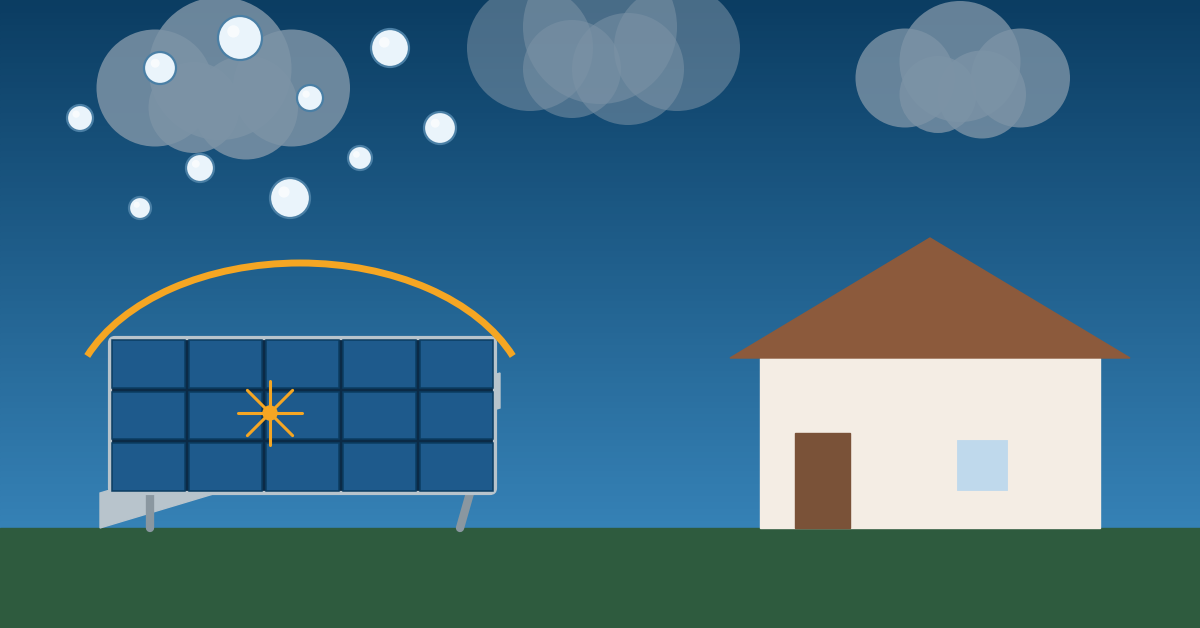
Hailstorms are one of the most common weather worries for solar panel owners, and understandably so. A single severe storm can drop hail the size of golf balls at highway speeds. The good news: with the right panel selection, mounting angle, and maintenance routine, hail damage to solar panels is largely preventable. This guide walks through exactly how to protect solar panels from hail, what real hail-resistance testing looks like, and what to do if a storm has already hit your system.
COMPLETE SUMMARY
Table of Contents
Can Hail Really Damage Solar Panels?
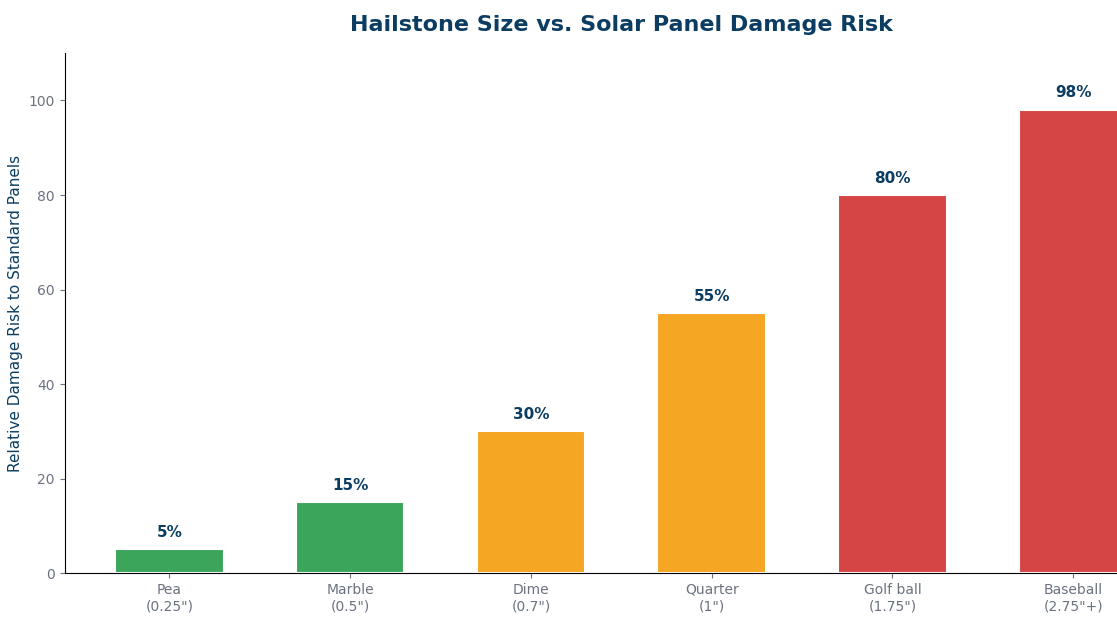
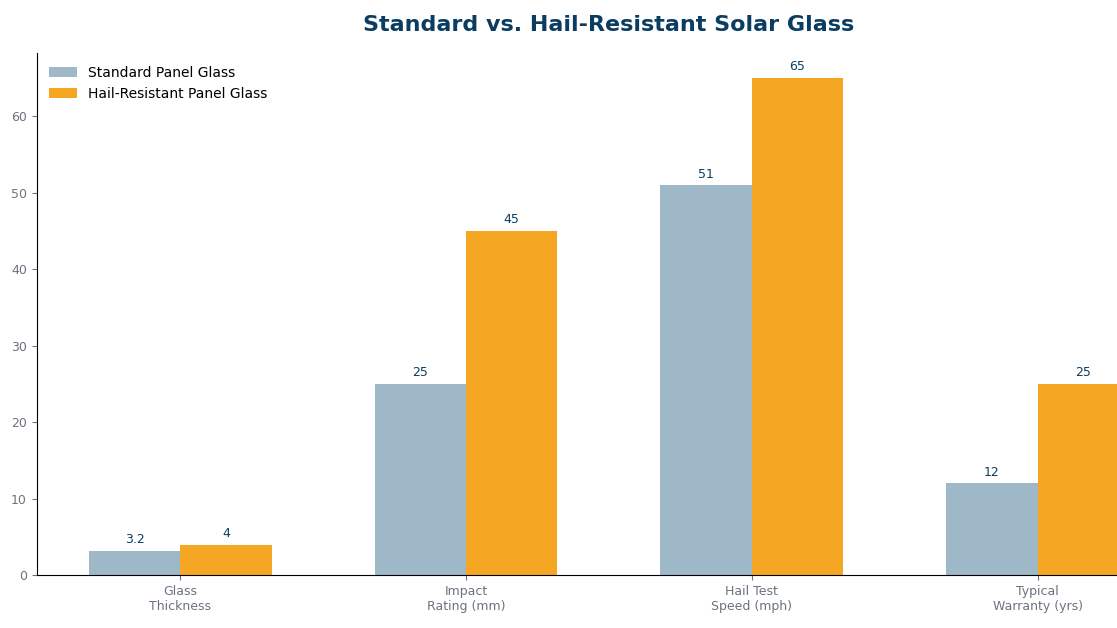
Solar panels are built tougher than most people assume. Before a panel reaches the market, it must pass IEC 61215 hail-impact testing, which fires 1-inch (25mm) ice balls at the panel surface at roughly 51 mph (23 m/s) from a distance of about 1 meter. A panel that cracks, delaminates, or loses structural integrity under that test fails certification, so every reputable panel on the market can already handle small-to-moderate hail without an issue.
The real risk shows up at the extremes: hailstones larger than about 1.75 inches, paired with strong wind that increases impact speed and angle. In those conditions, even certified panels can suffer micro-cracks in the cells, shattered tempered glass. Understanding this threshold is the first step in deciding how much extra protection your specific location actually needs.
7 Ways to Protect Solar Panels from Hail
You can’t control the weather, but you can control how your system is specified, installed, and maintained. Here is complete discussion about how to protect solar panel from hail.
1. Choose Hail-Rated, Tier-1 Panels
Not all panels are built the same, even if they all pass the minimum IEC test. Premium manufacturers use thicker tempered glass (often 3.2mm or more), reinforced frames, and higher-grade encapsulant, and many now publish an independent hail rating well above the industry minimum. When comparing quotes, ask installers directly for each panel’s certified hail-impact rating rather than assuming standard certification is the ceiling.
2. Optimize the Mounting Tilt Angle
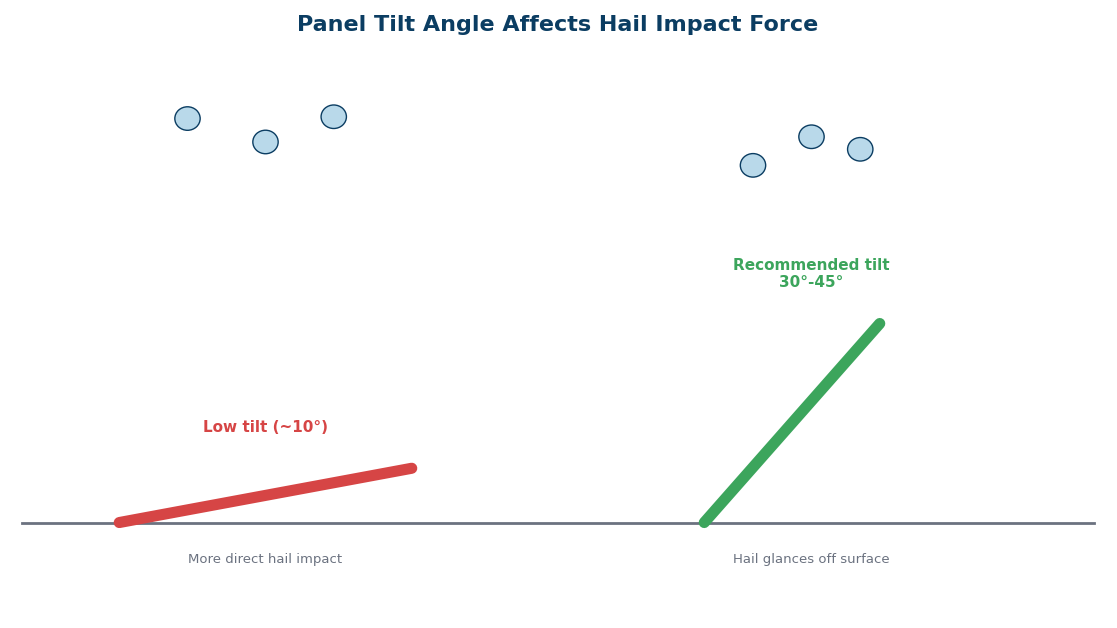
A hailstone striking a steeply angled panel loses much of its force as it glances off rather than hitting head-on. Where your roof pitch or racking system allows it, a tilt of roughly 30-45 degrees measurably reduces direct-impact force compared to a near-flat installation. This is especially relevant for ground-mounted or carport-style arrays where the tilt angle is fully adjustable.
3. Add Polycarbonate Hail Guards or Mesh
For homes in hail-prone regions, clear polycarbonate hail guards or a fine metal mesh can be mounted a few inches above the panel surface. These absorb the impact before it ever reaches the glass, at the cost of a small, usually 2-5%, reduction in light transmittance.
4. Keep Panels Clean and Inspected
- Remove debris, dust, and bird droppings that can weaken the glass surface over time
- Check mounting bolts and racking hardware every 6-12 months for corrosion or looseness
- Look for existing micro-cracks before hail season begins; damaged glass fails faster under new impact
5. Choose Impact-Resistant Glass Upgrades
Some manufacturers offer an upgraded, thicker tempered-glass option rated for higher-speed impact testing than the base IEC standard. It typically adds a modest premium to the panel cost but can be worthwhile for regions with a documented history of severe hailstorms.
6. Secure Adequate Insurance Coverage
Even the best physical protection can’t guarantee zero risk from an extreme event. Confirm with your home or solar-specific insurer exactly how hail damage is covered, what the deductible is, and whether coverage extends to lost production during repairs, not just the hardware itself.
7. Consider a Seasonal Protective Cover
In regions with a short, predictable hail season, some owners install removable protective covers or netting just for that window. This adds an extra manual step but can be a cost-effective option compared to permanently reducing light transmittance year-round.
Illustrative Example — Not a Verified Customer Case of how to protect solar panel from hail : A Rooftop System After a Punjab Hailstorm
In one case from central Punjab, a 10kW residential rooftop system installed with a 15-degree tilt was hit by a pre-monsoon hailstorm with stones reported at roughly golf-ball size. Two of the 24 panels, both positioned at the lowest point of the array where wind funneled hail most directly, developed visible micro-cracks and a measurable output drop of about 18% on those two panels. The rest of the array, protected somewhat by a taller parapet wall that reduced direct wind-driven impact, showed no damage.
The owner’s insurer covered the replacement of the two damaged panels under the home policy’s structural rider, with a modest deductible. Following the repair, the installer added a light polycarbonate hail guard to the exposed lower row only, rather than the full array, balancing cost against the specific wind pattern of that roof. This kind of targeted, site-specific protection is often more practical than blanket upgrades across an entire system.
Signs of Hail Damage to Check For
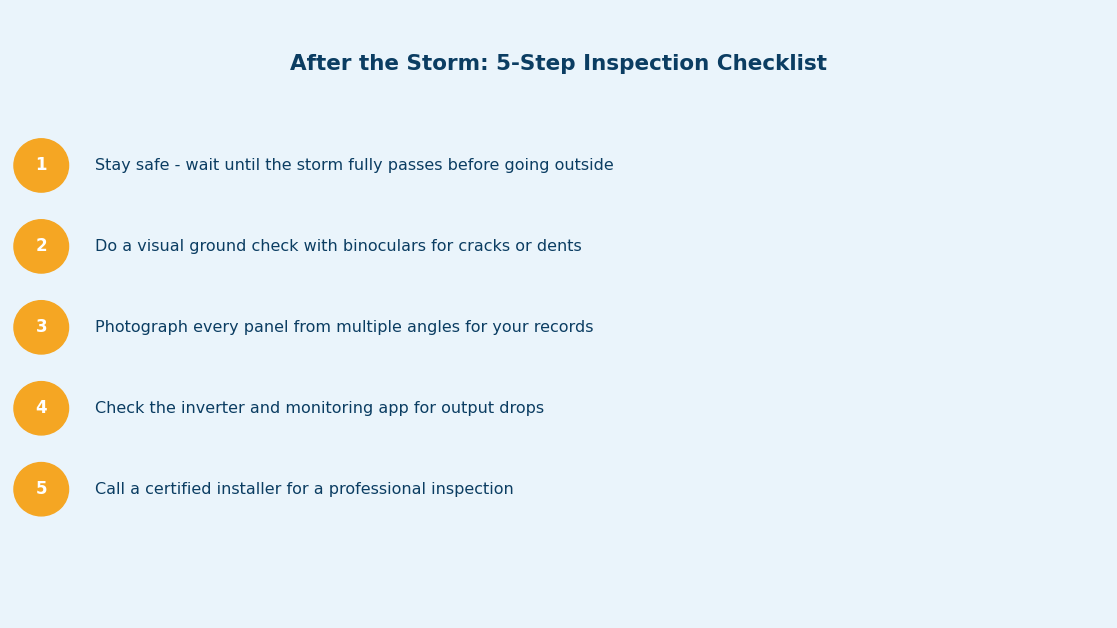
- Spider-web cracking or a frosted appearance on the glass surface
- Dents or bends in the aluminum frame
- A sudden, unexplained drop in energy output on your monitoring app
- Discoloration or dark spots forming under the glass (a sign of moisture ingress)
- Loose or misaligned mounting hardware after high winds
How to protect solar panel from hail
Frequently Asked Questions
1. Can hail actually destroy solar panels?
Yes, but it’s less common than most homeowners fear. Modern solar panels are tested to withstand 1-inch hail traveling at about 51 mph, so light-to-moderate hail rarely causes damage. Large hail (golf ball size or bigger) combined with high wind speed is what typically cracks glass or dents frames.
2. Does homeowners insurance cover hail damage to solar panels?
In most cases, yes. If your solar panels are attached to your roof, they’re usually covered under the same policy as your home, either as part of the dwelling or as a scheduled structure. Ground-mounted systems sometimes need a separate rider, so it’s worth confirming with your insurer before hail season.
3. Do hail guards reduce how much electricity my panels produce?
A well-designed polycarbonate hail guard causes only a very small drop in output, typically in the low single digits, because the mesh is engineered for high light transmittance. Most owners find the minor efficiency trade-off worthwhile in hail-prone regions.
4. What size hail can damage a solar panel?
Industry testing standards (IEC 61215) certify panels to survive 1-inch diameter hail at 51 mph without damage. Once hailstones approach the size of a golf ball (about 1.75 inches) or larger, the risk of cracked glass or micro-fractures rises sharply, especially on older or lower-tier panels.
5. Should I tilt my solar panels differently during hail season?
If your mounting system allows seasonal or manual tilt adjustment, increasing the angle to 30-45 degrees can help hailstones glance off rather than strike the glass head-on. This isn’t practical for every roof-mounted system, but it’s a useful option for ground-mounted or adjustable-rack installations.
Final Thoughts of how to protect solar panel from hail
Hail is a manageable risk, not a reason to avoid solar. Certified panels already withstand the vast majority of hailstorms, and the handful of extra steps covered here, choosing the right panel tier, dialing in tilt angle, adding guards where needed, staying on top of maintenance, and having the right insurance, close most of the remaining gap. Treat hail protection as one part of a normal system-maintenance routine rather than a one-time decision, and your array should hold up well through most storm seasons it will ever face.