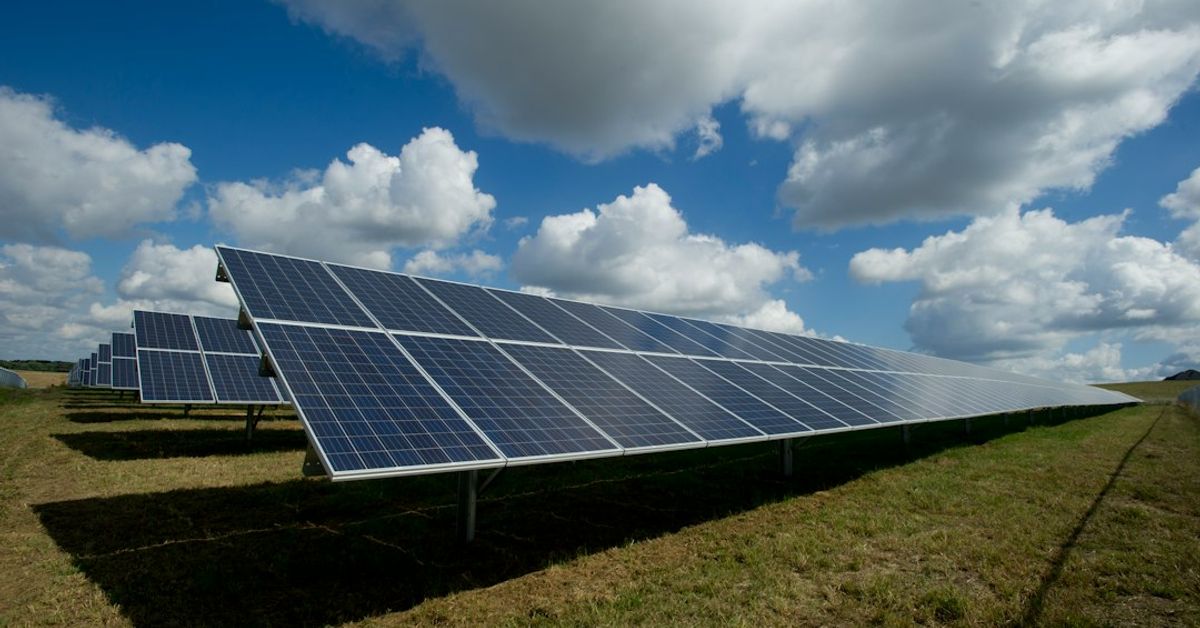
Bifacial solar panels can generate electricity from light reaching both the front and rear sides, while monofacial panels primarily use the front side. That does not mean bifacial panels automatically produce a fixed percentage more energy on every Pakistani roof. Rear-side gain depends heavily on installation geometry and the surface below the module.
What Is a Bifacial Solar Panel?
A bifacial module uses solar cells designed to respond to light from both sides. Many modern bifacial products use dual-glass construction, although construction varies by model. Reflected light from a bright roof, ground or other surface can reach the rear side and add energy production.
What Is a Monofacial Solar Panel?
A monofacial module is rated primarily for front-side generation. It can be simpler to model on conventional roofs where modules sit close to the surface and rear irradiance is limited.
What Controls Bifacial Gain?
- Albedo: light-colored surfaces reflect more irradiance than dark surfaces.
- Mounting height: more clearance can improve rear exposure.
- Row spacing: poor spacing can create rear-side shading.
- Tilt and orientation: geometry changes how light reaches both sides.
- Structural obstructions: rails, cables and roof features can shade the rear.
- Soiling: dust on either exposed surface can affect performance.
Are Bifacial Panels Better for Flat Roofs in Pakistan?
They can be attractive on elevated structures above reflective surfaces, especially where designers can optimize height, spacing and tilt. A bifacial module installed almost flush against a dark roof may receive limited rear irradiance, reducing the advantage.
Bifacial vs Monofacial: Quick Comparison
| Factor | Bifacial | Monofacial |
|---|---|---|
| Active sides | Front + rear | Primarily front |
| Rear-side gain | Site-dependent | Not the design focus |
| Best installation | Good rear exposure | Conventional roofs |
| Yield modelling | Needs rear-irradiance assumptions | Simpler |
| Buying decision | Compare total system yield/cost | Compare front-side yield/cost |
Does Bifacial Mean N-Type?
No. Bifacial construction and cell type are separate characteristics. Panels can use different cell technologies and still be bifacial. Always identify the exact model and datasheet rather than assuming technology from the word “bifacial.”
How to Compare Prices Properly
Do not compare panels only by rupees per watt. Consider module efficiency, dimensions, temperature coefficient, degradation terms, product warranty, power warranty, structural requirements, authenticity and expected site-specific energy yield.
FAQs
Do bifacial panels always make 10% or 20% more electricity?
No. Additional rear-side energy is site-dependent and should be estimated from albedo, mounting geometry and shading.
Can bifacial panels work on a residential roof?
Yes, but their extra rear-side benefit depends on how much reflected light can reach the back of the panel.
Is dual-glass the same as bifacial?
Not necessarily. Construction and electrical behavior should be confirmed from the exact module datasheet.
Conclusion: Bifacial panels can be valuable in Pakistan when the installation is designed to use the rear side effectively. For a low-clearance roof, compare simulated annual yield and total installed cost rather than assuming a fixed bifacial bonus.
A rooftop checklist before paying for bifacial modules
First ask the installer for a drawing showing the module underside, roof surface, structure and neighbouring rows. A photograph of an elevated array from another property is not evidence that your roof will achieve the same result. Identify which surfaces reflect light toward the rear, where rails and cables obstruct it, and whether the rear side can be inspected and maintained. Roof alterations should also be considered for structural loading, drainage and maintenance access.
Next, compare the proposed bifacial layout with a practical monofacial alternative on the same roof. Use the same weather assumptions, front-side capacity, orientation and shading constraints. Ask for annual energy estimates with and without rear-side contribution. If one proposal changes module count, mounting height and surface treatment simultaneously, the difference cannot be attributed to bifacial cells alone. Request the assumptions in writing so later production monitoring has a meaningful baseline.
Before requesting quotations, you can also shortlist models using our ranking of the best solar panels in Pakistan.
| Roof arrangement | Question to resolve |
|---|---|
| Modules close to a dark roof | How much rear-side irradiance can reach the cells? |
| Raised modules over a bright surface | How do mounting height, row shading and roof obstacles affect the model? |
| Different roof sections or orientations | Are the two quotations comparing the same usable area and front-side capacity? |
| A structure requiring extra material | Does any estimated energy benefit justify the complete additional cost? |
An illustrative cost comparison without a promised gain
Suppose two complete array proposals have the same front-side capacity. A bifacial option costs Rs. 20,000 more because of the chosen modules and structure. If a site-specific model estimates 400 additional kWh per year, the additional capital cost divided by the estimated energy is Rs. 50 per extra annual kWh. That ratio is a comparison aid, not a payback period. These figures are hypothetical and do not represent supplier quotations or measured production on a Pakistani home.
To estimate financial value, distinguish energy consumed on site from any approved export. Apply your own marginal electricity cost and applicable export terms to each portion. Include the cost of maintaining the relevant surfaces and structure. If the rear-side estimate is uncertain, repeat the comparison with a lower gain and with no gain. A quotation that remains attractive under cautious assumptions gives you a more useful basis for a decision than a single optimistic percentage.
Separate construction, technology and warranty
Dual-glass construction describes how a module is packaged; bifaciality describes rear-side electrical response. Neither term identifies a universal product warranty or installation method. Check the offered model suffix, dimensions, mass, mounting instructions and warranty documents. Review electrical compatibility independently: module voltage and current must fit the proposed inverter and string arrangement. More possible energy does not remove those equipment limits.
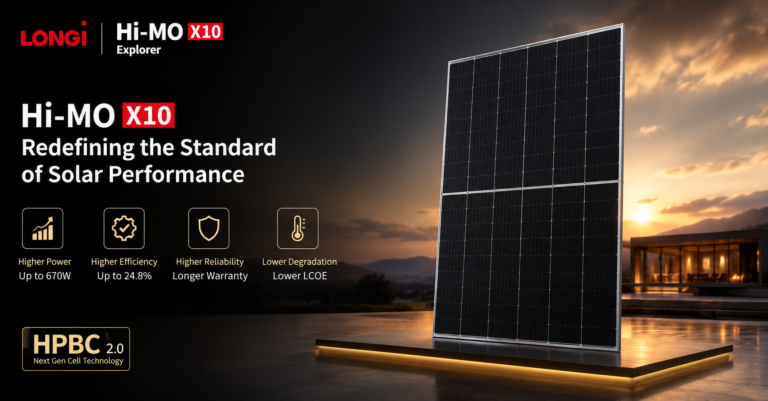
For a concrete dual-glass example, see our guide to the LONGi Hi-MO 5 545W bifacial panel.
Use the LONGi Hi-MO X10 guide and Canadian Solar guide to identify model families, then compare dated quotations on the solar panel price page. For the rest of the installation budget, read the solar system cost guide. A higher-wattage module, a bifacial module and a larger installed system answer different questions and should not be treated as interchangeable upgrades.
What evidence should support the estimate?
The laboratory’s bifacial modelling overview identifies albedo, tilt, spacing and clearance as inputs to rear-irradiance modelling. It supports evaluating the actual installation geometry, not applying one fixed gain to every roof. Ask your designer which modelling inputs came from a site survey and which are assumptions. Keep the model, quote date and commissioning records together for future performance reviews.