Solar panels convert sunlight into usable electricity, giving homeowners a way to cut power bills and rely less on the traditional grid. As electricity rates keep climbing and climate concerns grow more urgent, more households are treating solar energy as a practical investment rather than a niche upgrade.
This guide covers what solar panels are, why homeowners are making the switch, what different panel types offer, what installation actually costs, and how to tell if going solar makes financial sense for your home.
The Complete Solar Panel Guide for Homeowners
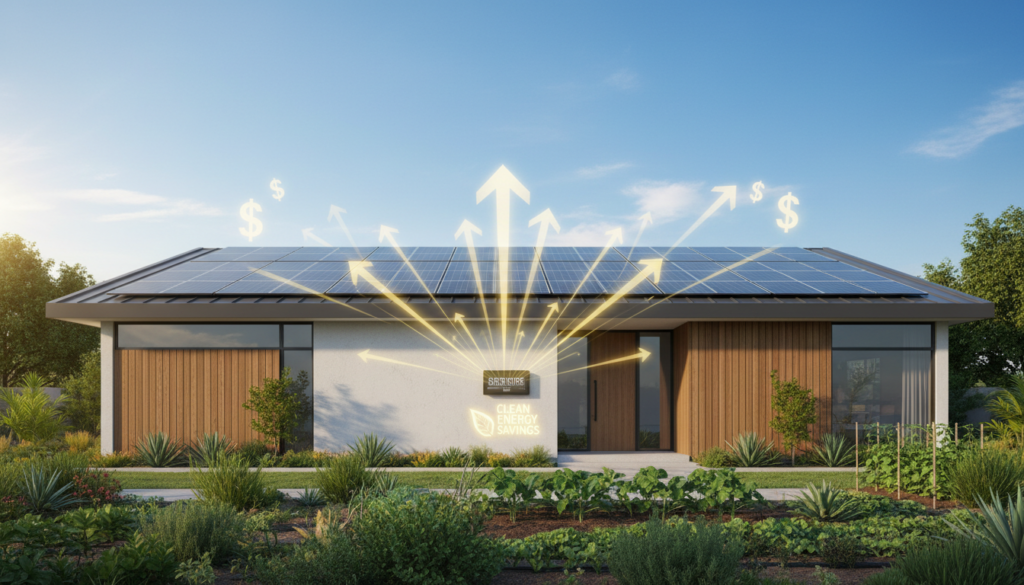
What Are Solar Panels?
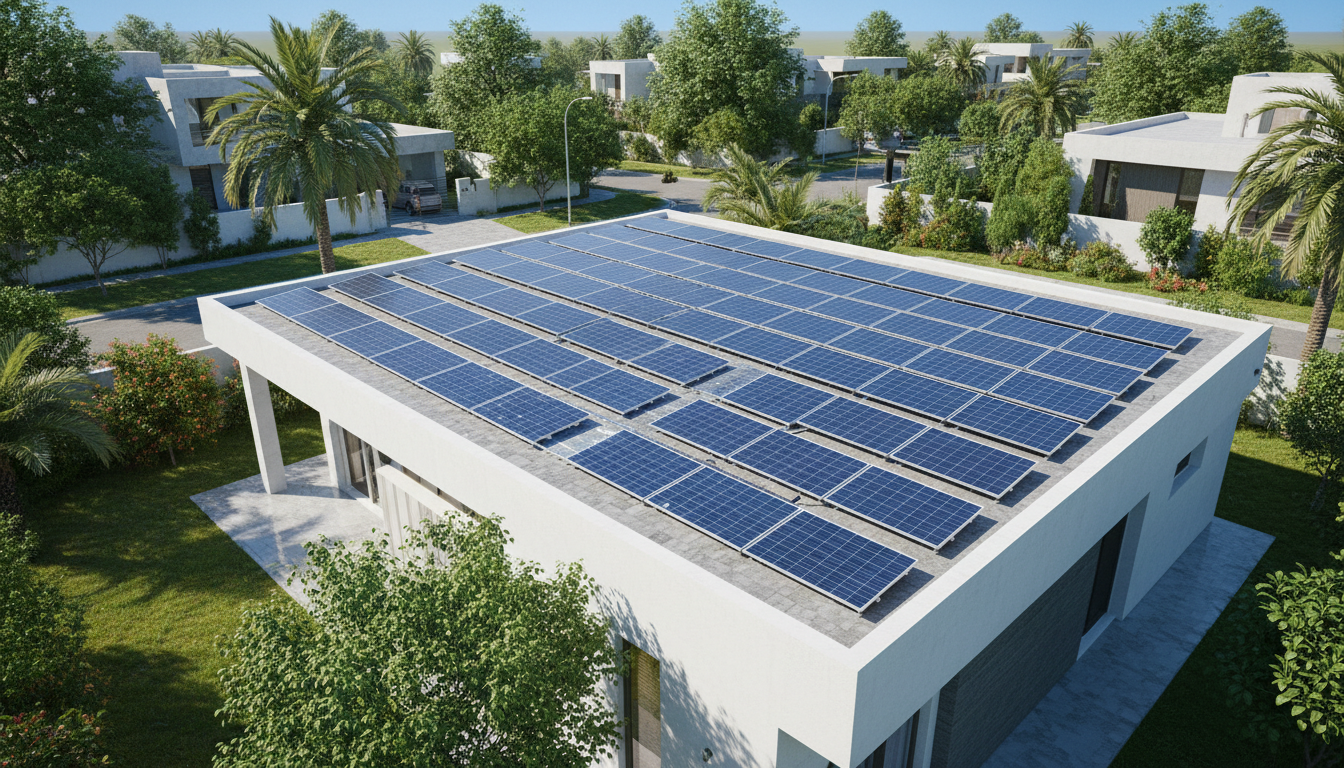
Solar panels are devices made of photovoltaic (PV) cells that capture sunlight and convert it directly into electricity. Each cell is built from layers of semiconductor material, usually silicon, which reacts to sunlight by releasing electrons and generating an electric current.
How Solar Panels Work
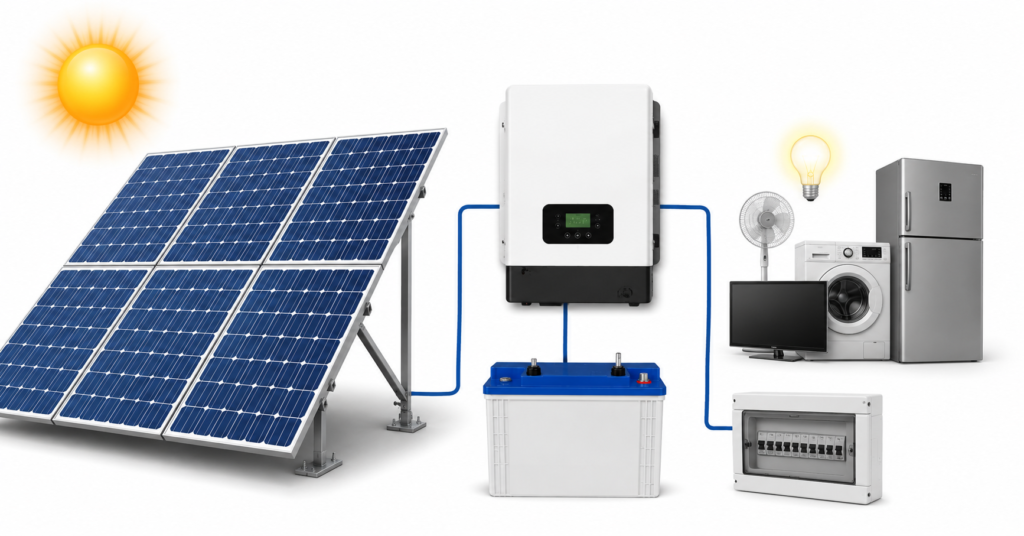
When sunlight strikes a photovoltaic cell, it knocks electrons loose from their atoms. This movement of electrons creates direct current (DC) electricity. Since most homes and appliances run on alternating current (AC), the DC power first has to pass through an inverter before it can be used.
8kW Solar Panel Price in Pakistan (2026) – Complete Installation & Cost Guide
Components of a Solar Power System
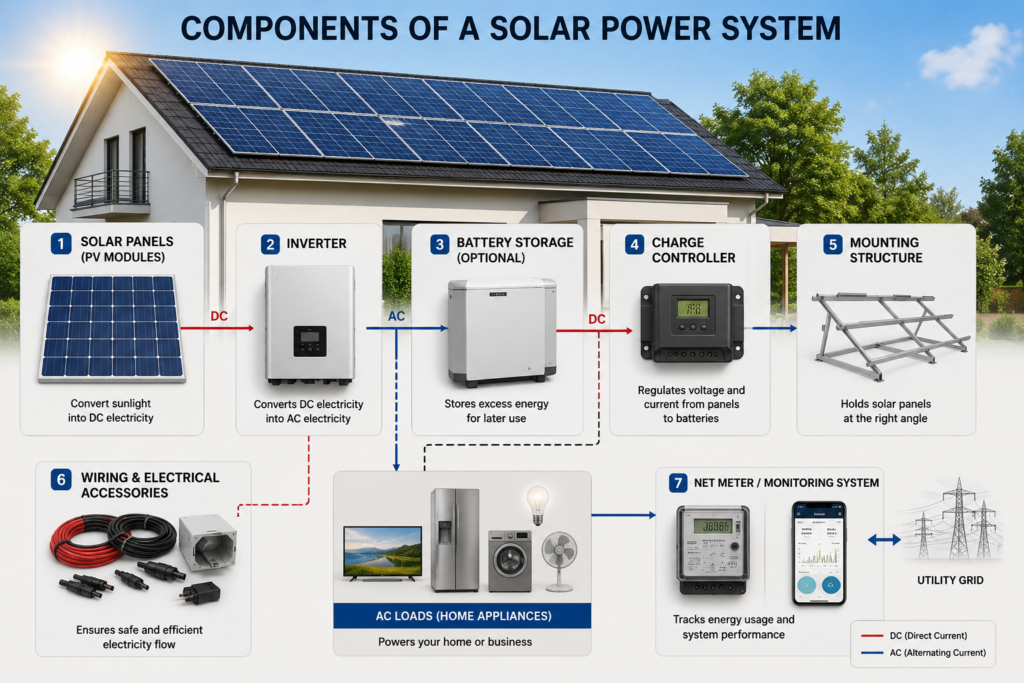
A complete solar power system includes more than just the panels on your roof. The main components are:
- Solar panels – capture sunlight and generate DC electricity
- Inverter – converts DC electricity into usable AC power
- Mounting hardware – secures panels to the roof or ground
- Battery storage (optional) – stores excess power for later use
- Meter – tracks how much electricity your system produces and consumes
How Electricity Is Generated
Once the inverter converts DC power to AC, that electricity flows into your home’s electrical panel and powers your appliances directly. Any surplus energy can either be stored in a battery or sent back to the grid, depending on your setup and local utility policies.
5kW Solar Panel Price in Pakistan 2026 – Complete Buying Guide, Installation Cost & Savings
Benefits of Solar Panels
The appeal of solar panels goes beyond lower bills. Here’s what makes residential solar panels worth considering.
Lower electricity bills. Once installed, a solar power system reduces how much electricity you need to buy from the grid, which lowers your monthly bill significantly over time.
Renewable and clean energy. Solar energy is generated from sunlight, a resource that doesn’t run out, unlike fossil fuels.
Reduced carbon footprint. Producing electricity from sunlight avoids the greenhouse gas emissions tied to burning coal, oil, or natural gas.
Increased property value. Homes with solar panels installed often sell at a premium, since buyers see them as a built-in reduction in future utility costs.
Government incentives and tax credits. Many regions offer rebates, tax credits, or net metering programs that lower the effective cost of installation and shorten the payback period.
Energy independence. A solar power system, especially one paired with battery storage, reduces how dependent your household is on the grid, which matters during peak pricing periods or local outages.
Low operating costs. Unlike generators or other backup power sources, solar panels have no fuel costs and very few moving parts, which keeps long-term operating expenses low.
Types of Solar Panels
Not all solar panels perform the same way. The three main types differ in efficiency, appearance, and price.
Monocrystalline Solar Panels
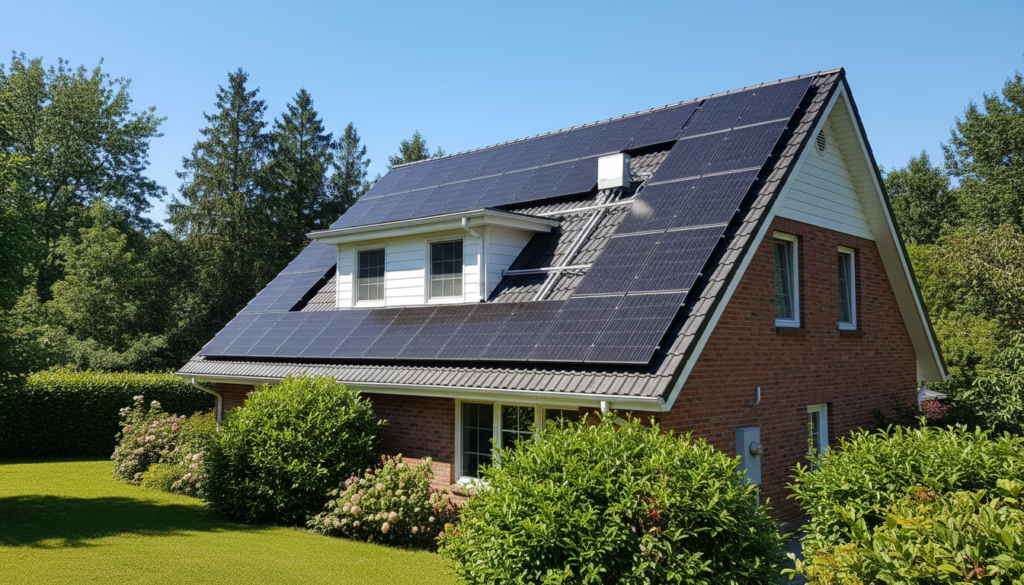
Monocrystalline panels are made from a single, pure silicon crystal, which gives them a uniform black appearance.
Features: High efficiency, sleek design, longer lifespan compared to other panel types.
Pros: Best performance in limited roof space, higher energy output per square foot, ages well over decades.
Cons: Higher upfront cost than other panel types.
Polycrystalline Solar Panels
Polycrystalline panels are made by melting multiple silicon fragments together, giving them a distinctive blue, speckled look.
Features: Slightly lower efficiency than monocrystalline, more affordable manufacturing process.
Advantages: Lower cost, simpler production, solid performance for larger roof areas.
Disadvantages: Lower efficiency in high heat, requires more roof space to generate the same output as monocrystalline panels.
Thin-Film Solar Panels
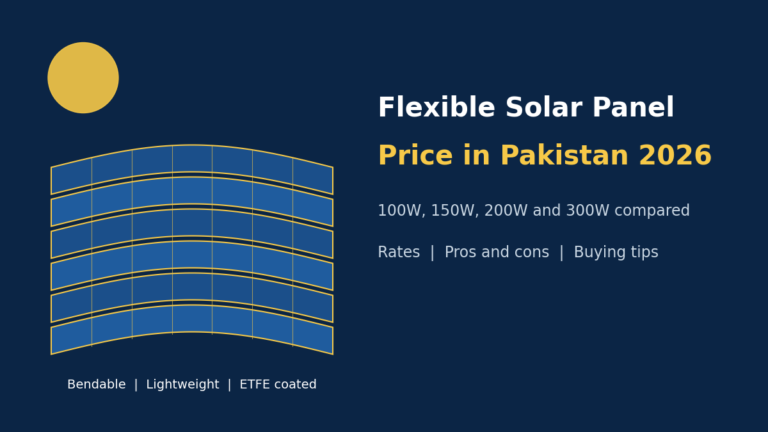
Thin-film panels are made by layering photovoltaic material onto a substrate like glass, plastic, or metal, resulting in a lightweight, flexible panel.
Best applications: Large commercial rooftops, curved surfaces, portable solar setups where weight and flexibility matter more than maximum efficiency.
Performance comparison: Thin-film panels are generally less efficient and take up more space than crystalline options, but they cost less and handle heat and shading better in certain conditions.
Solar Panel Costs
Solar panel costs vary based on system size, panel type, and location, but understanding the main cost factors helps you budget accurately.
Average Installation Costs
Most residential solar power systems cost between a few thousand and several tens of thousands of dollars depending on system size, though exact pricing depends heavily on local labor rates, permitting fees, and equipment choices.
Factors Affecting Pricing
Several variables influence the final price of a system:
- System size and total energy output needed
- Panel type (monocrystalline typically costs more than polycrystalline or thin-film)
- Roof complexity and accessibility
- Local permitting and labor costs
- Whether battery storage is included
Cost Per Watt
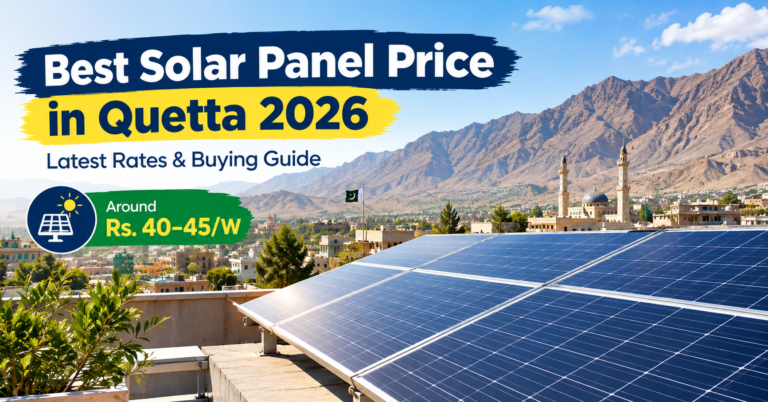
Solar pricing is often measured in cost per watt, which lets you compare quotes across different system sizes and installers on a level basis.
Maintenance Expenses
Solar panels require minimal ongoing maintenance, but budgeting for occasional cleaning, inverter servicing, and inspections helps avoid unexpected costs later.
Return on Investment
Because solar panels reduce or eliminate monthly electricity bills, most systems pay for themselves within several years, after which the electricity generated is essentially free for the remaining lifespan of the panels, which often exceeds 25 years.
Financing Options
Homeowners typically pay for solar panel installation through one of a few routes: an upfront cash purchase, a solar loan, or a lease/power purchase agreement (PPA). Paying cash offers the highest long-term savings, while loans and leases lower the upfront barrier but reduce total savings over time. Comparing these options against your budget and how long you plan to stay in your home helps determine the best fit.
Solar Panel Installation Process
Solar panel installation follows a structured process, from the first site visit to final grid connection.
Site assessment. An installer evaluates your property’s sunlight exposure, roof angle, and shading to determine system feasibility.
Roof inspection. The condition of your roof is checked to confirm it can support the panels and won’t need major repairs soon after installation.
System design. Installers design a custom layout based on your energy usage, roof space, and budget.
Permits and approvals. Local permits and utility approvals are obtained before installation begins, which can take anywhere from a few days to several weeks.
Installation. Panels, mounting hardware, wiring, and the inverter are physically installed, typically completed within one to three days for most homes.
Inspection. A local inspector verifies the system meets electrical and safety codes.
Grid connection. Once approved, the system is connected to the grid, and net metering (if applicable) is activated so you can track energy production and usage.
Factors to Consider Before Installing Solar Panels
Before committing to a solar power system, evaluate these key factors:
Roof condition. An aging or damaged roof should be repaired or replaced before installation to avoid costly rework later.
Sunlight exposure. South-facing roofs with minimal shading generally produce the most energy.
Energy consumption. Reviewing your past electricity bills helps determine the right system size for your household’s needs.
Budget. Compare upfront costs, financing options, and available incentives to find a plan that fits your finances.
Warranty. Check both the equipment warranty and the installer’s workmanship warranty, since these protect your investment for decades.
Solar Panel Maintenance
Solar panels are low-maintenance, but a few simple habits keep them performing efficiently.
Cleaning schedule. Dust, pollen, and debris can reduce output, so panels typically benefit from cleaning a few times a year, depending on your climate.
Annual inspections. A yearly professional check-up helps catch wiring issues, loose mounts, or inverter problems early.
Monitoring system performance. Most systems include an app or dashboard that tracks energy production, making it easy to spot sudden drops in efficiency.
Common issues. Shading from new trees, dirt buildup, and inverter faults are among the most frequent problems, and most are simple to fix once identified.
Are Solar Panels Worth It?
Long-term savings. Once the system pays for itself, the electricity it generates is essentially free, which adds up significantly over 20-plus years.
Environmental impact. Switching to solar energy reduces reliance on fossil fuels and lowers your household’s carbon footprint.
Payback period. Depending on system cost, local electricity rates, and incentives, most homeowners recover their investment within roughly six to twelve years.
Who should invest in solar panels. Homeowners with sun-exposed roofs, stable long-term residence plans, and high electricity usage tend to see the fastest returns, though incentives and financing options are making solar increasingly accessible to a wider range of households.
Conclusion
Solar panels offer a practical way to lower electricity bills, reduce environmental impact, and increase property value. Understanding the different types of solar panels, realistic installation costs, and what the installation process involves puts you in a strong position to make an informed decision.
Key takeaways: Solar panels pay for themselves over time, monocrystalline panels offer the highest efficiency, and proper site assessment is critical to system performance.
Final recommendation: If your roof gets strong, consistent sunlight and your electricity bills are high, solar panels are likely a sound long-term investment.
Next steps: Request quotes from a few licensed installers, compare cost-per-watt pricing, and check what incentives are available in your area before signing a contract.
FAQ SECTION
1. What are solar panels and how do they work? Solar panels are devices with photovoltaic cells that convert sunlight into electricity. Sunlight knocks electrons loose in the cells, generating direct current power that an inverter then converts into usable household electricity.
2. What are the main benefits of installing solar panels? Solar panels lower electricity bills, reduce carbon footprint, increase property value, and often qualify for government incentives and tax credits.
3. How much do solar panels cost? Costs vary based on system size, panel type, and location, and are typically measured in cost per watt to allow easy comparison between quotes.
4. Which type of solar panel is the most efficient? Monocrystalline solar panels generally offer the highest efficiency, making them ideal for homes with limited roof space.
5. How long do solar panels last? Most solar panels are built to last 25 years or longer, with gradual, minor efficiency loss over time.
6. How long does solar panel installation take? Physical installation usually takes one to three days, though the full process, including permits and inspections, can take several weeks.
7. Do solar panels work during cloudy weather? Yes, solar panels still generate electricity on cloudy days, though output is lower compared to direct sunlight.
8. How much money can solar panels save on electricity bills? Savings depend on system size and local electricity rates, but many homeowners significantly reduce or eliminate their monthly power bills.
9. What maintenance do solar panels require? Solar panels need occasional cleaning and annual inspections to maintain peak performance, but overall maintenance needs are minimal.
10. Are solar panels worth the investment in 2026? For homeowners with good sunlight exposure and high electricity usage, solar panels remain a strong long-term investment, especially with current incentives lowering upfront costs.