An 8kW solar system has become a popular choice for medium-to-large electricity users in Pakistan because it can provide substantial daytime generation when it is correctly sized for the property’s actual energy consumption and load profile. It sits right in the sweet spot for medium to large households big enough to run multiple air conditioners, a refrigerator, and full household lighting, yet affordable enough that it doesn’t require the budget of a commercial-scale installation.
With WAPDA tariffs continuing to climb and load-shedding still a reality in many cities, homeowners are no longer asking “should I go solar” but “which size makes the most financial sense.” For 10-marla to 1-kanal homes with monthly bills between PKR 30,000 and 70,000, the 8kW solar system price in Pakistan has emerged as one of the fastest payback options on the market in 2026.
This guide breaks down the latest pricing, component costs, top brands, savings potential, and everything else you need before signing a contract with an installer.
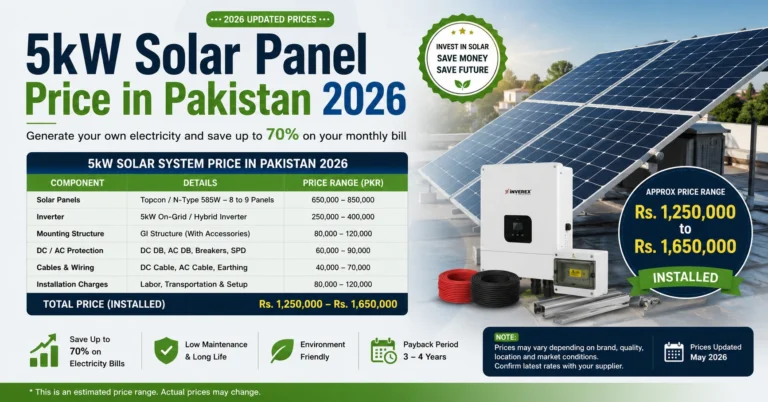
5kW Solar Panel Price in Pakistan 2026 – Complete Buying Guide, Installation Cost & Savings
What Is an 8kW Solar System?
An 8kW solar system refers to the total power output capacity of the solar panels and inverter combined — roughly 8,000 watts under standard test conditions. In practical terms, this translates into approximately 14 to 16 solar panels, depending on whether you choose 550W or 580W+ modules.
Daily electricity generation: An 8kW solar system typically produces between 30 and 35 units (kWh) per day under good sunlight conditions, which adds up to roughly 800–960 units per month on an annual average, with higher output during summer and reduced generation during smoggy winter months in cities like Lahore.
Who may need an 8kW system: System size should be based on recent electricity consumption, daytime load, peak simultaneous demand, available roof area, solar resource, and whether battery backup is required. House size or the number of air conditioners alone is not enough to determine whether 8kW is the right capacity.
8kW Solar Panel Price in Pakistan
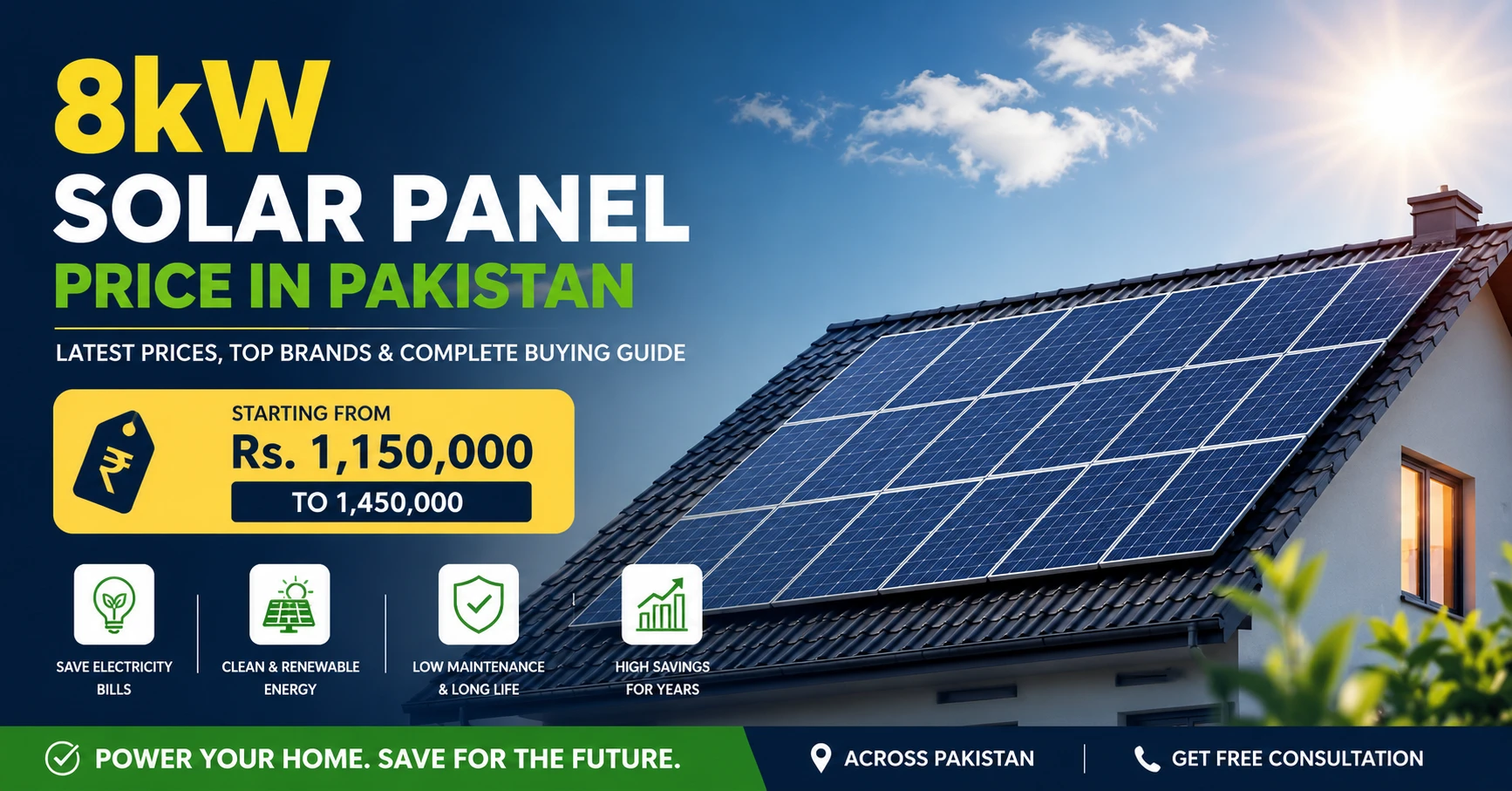
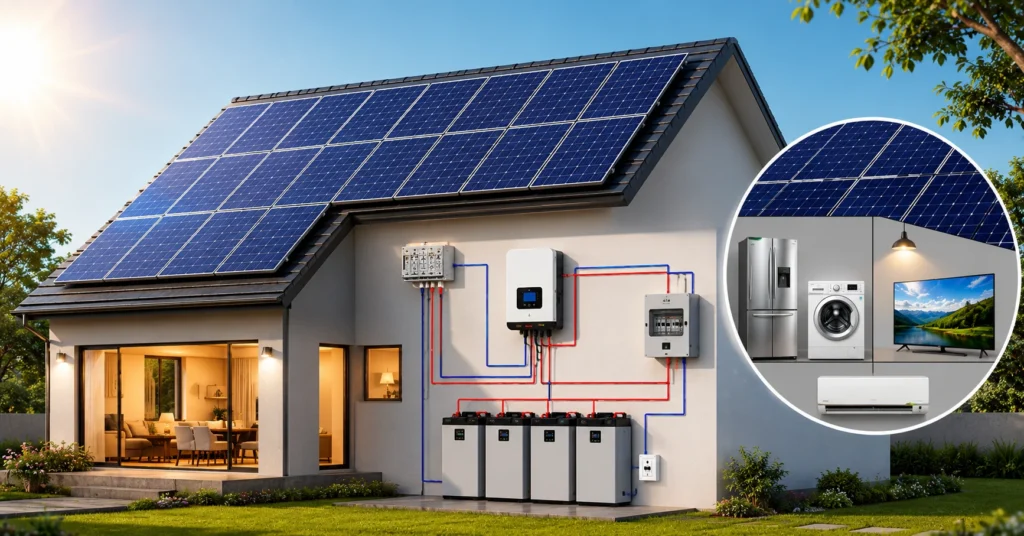
Latest price range: As of mid-2026, an 8kW on-grid solar system in Pakistan generally costs between PKR 850,000 and PKR 1,025,000, depending on the panel brand and inverter quality. A hybrid 8kW system without a battery typically falls between PKR 950,000 and PKR 1,150,000, while adding a lithium battery for backup pushes the total to roughly PKR 1.1 million to PKR 1.4 million or more.
Cost breakdown: Solar panels usually account for the largest share of the budget, followed by the inverter, mounting structure, wiring, and installation labor. Battery storage, when included, is often the single biggest additional expense on top of the base system.
Factors affecting prices: Panel tier (A-grade vs B-grade), inverter brand, battery chemistry, roof structure requirements, and even currency fluctuations all play a role in the final 8kW solar price quoted by different installers.
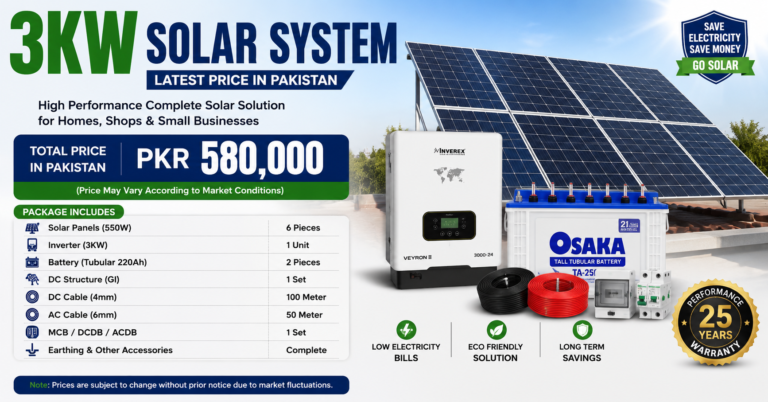
3KW Solar System Price in Pakistan – Complete Buying Guide
Components Included in an 8kW Solar System
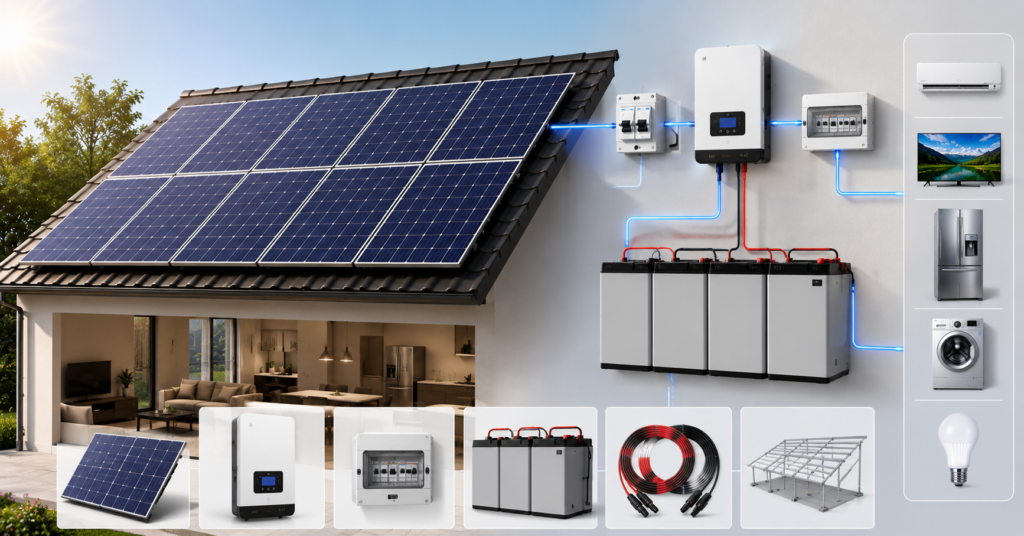
A complete 8kW solar system installation includes several essential parts working together:
- Solar panels – Usually 14–16 panels rated between 550W and 580W+ each
- Inverter – An 8kW to 8.2kW rated inverter to safely convert DC power to usable AC power
- Mounting structure – L2 ground/flush mount or an elevated H-beam and C-channel structure for roof space optimization
- DC & AC wiring – Copper cabling connecting panels to the inverter and the inverter to the home’s electrical system
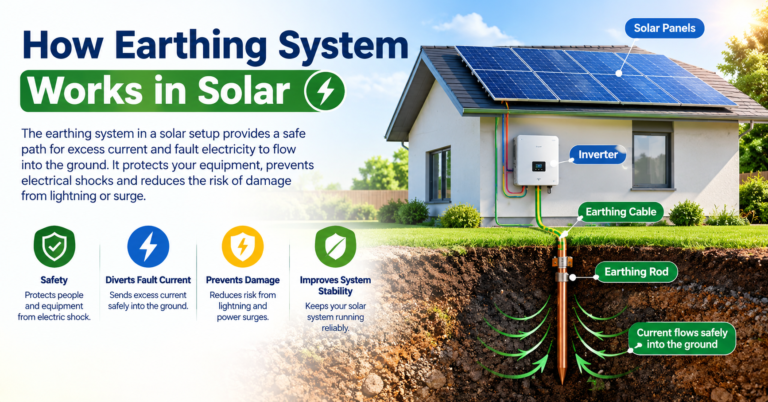
- Protection devices – Breakers, surge protectors, earthing, and a distribution box for safety
- Installation charges – Labor, site assessment, and commissioning costs
Types of 8kW Solar Systems
On-Grid System
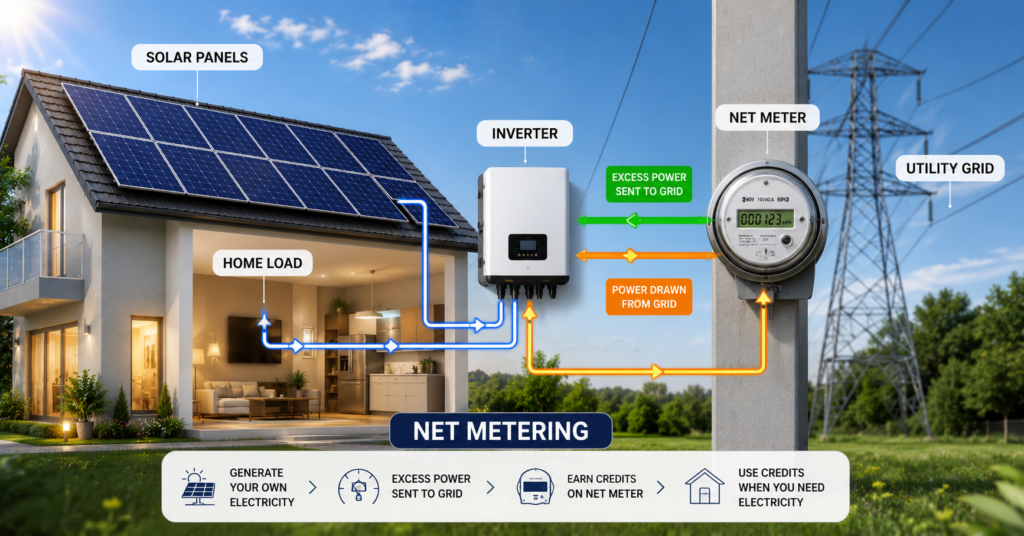
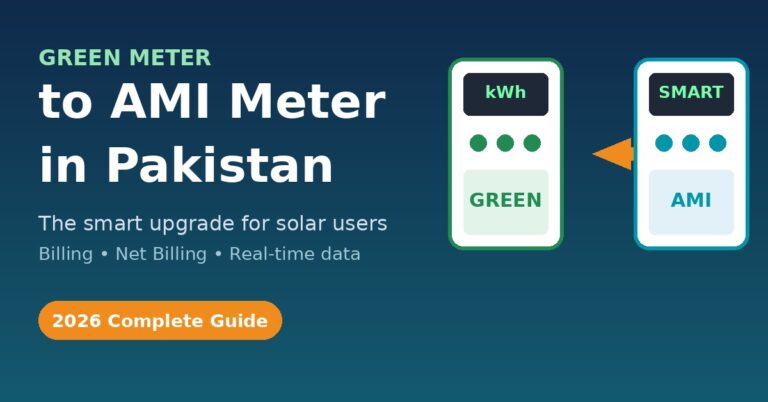
An on-grid 8kW system connects to the distribution grid and can export surplus electricity when the installation is approved under the applicable NEPRA prosumer framework. For new applicants in 2026, the regulatory framework uses net billing rather than the older net-metering mechanism. A standard grid-tied inverter normally shuts down during a grid outage for anti-islanding safety unless the system includes approved backup capability.
Hybrid System
A hybrid 8kW solar system works with the grid, solar panels, and an optional battery simultaneously. This has become the most popular configuration in Pakistan in 2026, since it balances upfront cost with backup reliability, especially when paired with a 5–10kWh lithium battery.
Off-Grid System
A fully off-grid setup operates completely independent of the WAPDA grid, relying entirely on solar panels and battery storage. It requires a larger battery bank and higher upfront investment but delivers full night-time independence.
Best Solar Panel Brands for an 8kW System
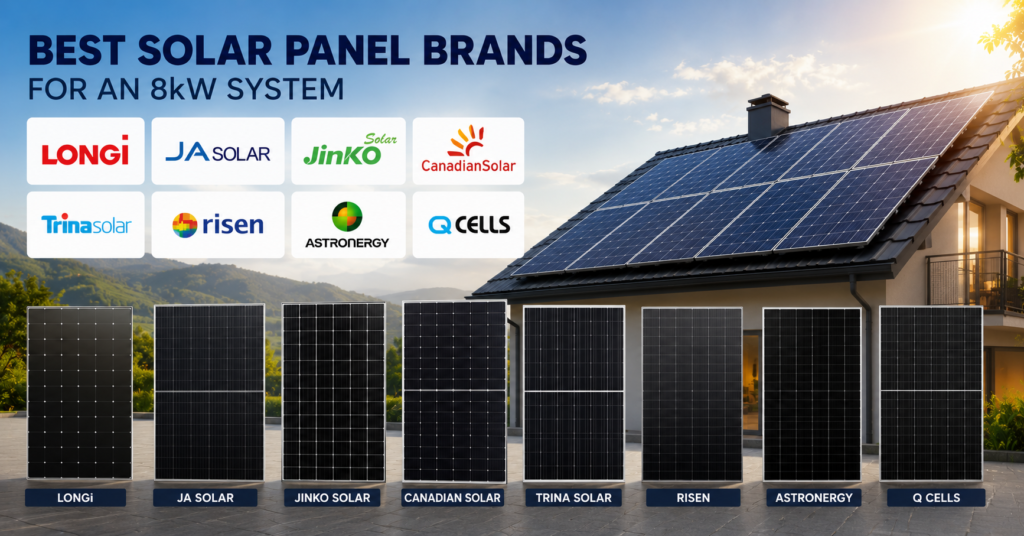
When comparing panels for an 8kW system, consider the exact module datasheet, efficiency, temperature coefficient, degradation warranty, product warranty, local after-sales support, and authenticity. BloombergNEF Tier 1 status relates primarily to manufacturer bankability and should not be treated as a guarantee of module quality or efficiency. Common international brands available in Pakistan include:
- Longi Solar
- Jinko Solar
- Canadian Solar
- JA Solar
- Trina Solar
These manufacturers typically offer a 25-year performance warranty on panels, making them a safer long-term investment compared to unbranded or B-grade alternatives.
Best Inverter Brands
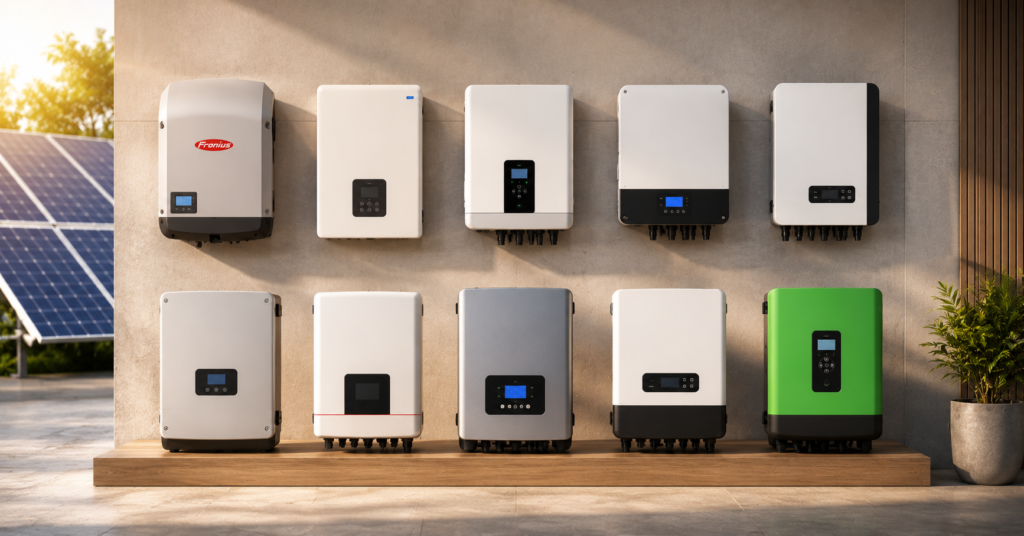
The inverter is just as important as the panels themselves, since it determines how efficiently your system converts and manages power. Leading inverter brands for 8kW systems in Pakistan include:
- Inverex
- Growatt
- Huawei
- Solis
- GoodWe
Hybrid inverters from Solis and GoodWe are especially popular in 2026 for their smart app-based monitoring, smooth battery integration, and reliable performance during frequent grid fluctuations.
Daily Electricity Production
Summer output: During peak summer months (May–June), an 8kW system can generate between 950 and 1,150 units per month, thanks to longer daylight hours and stronger solar irradiance.
Winter output: In winter, particularly during smoggy conditions in Lahore between November and January, output can drop to around 550–700 units per month.
Monthly generation: On an annual average across most Pakistani cities, an 8kW solar system produces roughly 800–960 units per month, with clear-sky cities like Multan, Quetta, and Bahawalpur seeing 10–15% higher output than Lahore.
Monthly Savings
Electricity bill reduction: Monthly savings cannot be estimated from system size alone. They depend on actual solar generation, how much energy is consumed directly during daylight hours, the customer’s applicable grid tariff, exported energy credits, seasonal usage, and any battery losses. Use recent electricity bills and a site-specific production estimate to calculate a realistic savings range.
Return on investment: Payback for an 8kW solar system varies with installed cost, daytime self-consumption, grid import tariffs, export-credit rules, financing costs, maintenance, and actual solar generation. A payback estimate should therefore be calculated from the household’s recent electricity bills and a site-specific generation estimate rather than treated as a guaranteed 2.5–3.5 year figure.
Payback period: Households with higher monthly bills (PKR 50,000+) tend to recover their investment faster, since the system offsets a larger portion of expensive night-time grid electricity through self-consumption.
Net Metering Benefits
Selling excess electricity: Under Pakistan’s current net billing framework, surplus solar units exported to the grid are purchased at a lower rate than what you pay to import electricity at night, which makes self-consumption through battery storage more valuable than pure export in 2026.
Eligibility: Grid-connected solar customers must meet the eligibility, technical, metering, application, and concurrence requirements applicable under the current NEPRA Prosumer Regulations and their distribution company’s process. Eligibility should be confirmed for the specific connection before assuming an 8kW installation can export electricity.
Installation requirements: Before purchasing equipment, confirm the current technical and documentation requirements with the relevant distribution company and the latest NEPRA prosumer rules. Equipment compatibility, protection settings, metering, interconnection documents, and installer requirements can change, so avoid relying on an outdated checklist.
Factors Affecting the Price
Several variables influence the final 8kW solar system price in Pakistan:
- Solar panel brand – Tier-1 branded panels cost more than unbranded or B-grade alternatives
- Inverter quality – Premium hybrid inverters from Huawei or Solis carry a higher price tag than budget models
- Exchange rate – Since most components are imported, currency fluctuations directly affect pricing
- Installation location – Roof height, wiring distance, and structure type (ground mount vs elevated) can add to labor costs
- Warranty – Systems with longer manufacturer warranties and workmanship guarantees are typically priced higher
Advantages of an 8kW Solar System
- Lower electricity bills – Significant monthly savings on WAPDA charges
- Clean energy – Reduces reliance on fossil-fuel-generated grid electricity
- Increased property value – Homes with installed solar systems are more attractive to buyers
- Long lifespan – Quality panels are designed to perform for 25 years or more
- Energy independence – Reduced dependence on grid stability and load-shedding schedules
Disadvantages
- Initial investment – The upfront 8kW solar installation cost remains a barrier for some households
- Roof space requirements – Around 550–650 square feet of shadow-free roof area is needed for 14–16 panels
- Weather dependency – Output drops during smog, heavy cloud cover, or monsoon season
Buying Guide
Before finalizing your 8kW solar system purchase, keep these points in mind:
- Choosing the right installer – Confirm the company is AEDB-registered, especially if you plan to apply for net metering
- Warranty considerations – Look for at least 25 years on panels and 5–10 years on the inverter
- Certifications – Ensure panels and inverters are listed on NEPRA’s approved equipment list
- Maintenance tips – Clean panels regularly, check wiring connections annually, and monitor inverter performance through the manufacturer’s app where available
Those who are sitting between two sizes may also want to compare the 7kW solar system price in Pakistan.
For factories, schools or larger commercial sites, you will need a far bigger design, as shown in the best 40kW solar system price guide.
Conclusion
The 8kW solar panel price in Pakistan in 2026 typically ranges from PKR 850,000 for a basic on-grid setup to over PKR 1.4 million for a fully-loaded hybrid system with lithium battery backup. For 10-marla to 1-kanal homes with moderate to high electricity bills, this system size continues to offer one of the fastest payback periods among all residential solar configurations.
If you’re planning to invest in solar this year, get quotes from at least two or three AEDB-registered installers, compare their component brands and warranties, and choose a hybrid configuration if load-shedding is a concern in your area.
Frequently Asked Questions (FAQs)
1. What is the latest 8kW solar panel price in Pakistan? As of mid-2026, an 8kW on-grid system costs between PKR 850,000 and PKR 1,025,000, while a hybrid system with battery backup ranges from PKR 1.1 million to PKR 1.4 million or more.
2. How much electricity does an 8kW solar system produce daily? An 8kW system typically generates 30 to 35 units per day, translating to roughly 800–960 units per month on an annual average.
3. Is an 8kW solar system enough for a 10-marla house? Yes, an 8kW system is ideal for 10-marla homes running 2–3 split ACs, two refrigerators, a water pump, and standard lighting.
4. What components are included in an 8kW solar system? A complete setup includes solar panels, an inverter, a mounting structure, DC and AC wiring, protection devices, and installation labor.
5. Which solar panel brand is best for an 8kW system? Longi, Jinko, Canadian Solar, JA Solar, and Trina Solar are among the most trusted Tier-1 brands used for 8kW installations in Pakistan.
6. How much can I save on electricity bills with an 8kW solar system? Monthly savings typically range from PKR 40,000 to 75,000, depending on your city, tariff rate, and consumption pattern.
7. What is the difference between an on-grid and a hybrid 8kW solar system? An on-grid system connects only to the WAPDA grid and shuts down during outages, while a hybrid system can also run on battery power, providing backup during load-shedding.
8. Does an 8kW solar system support net metering in Pakistan? Yes, provided the panels and inverter are NEPRA-approved and the installer is AEDB-registered to process the net metering application with your local DISCO.
9. How long does it take to recover the investment in an 8kW solar system? Most households recover their investment within 2.5 to 3.5 years, after which the electricity generated is essentially free for the remaining lifespan of the panels.
10. What factors affect the price of an 8kW solar panel system in Pakistan? Panel brand, inverter quality, battery inclusion, exchange rate, roof structure, and warranty terms all influence the final 8kW solar system price.

One Comment