Solar panels have become one of the most practical upgrades a homeowner can make. Rising electricity rates and growing interest in renewable energy solutions have pushed more households toward a home solar system that pays for itself over time. This solar panel guide walks you through everything you need to know before making the switch.
8kW Solar Panel Price in Pakistan (2026) – Complete Installation & Cost Guide
What Solar Panels Actually Do
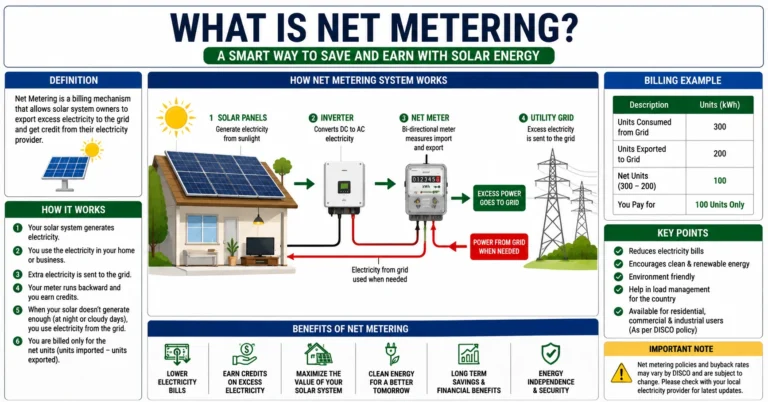
A rooftop solar system captures sunlight and converts it into usable electricity through photovoltaic cells. That power runs through an inverter, which turns it into the type of electricity your home appliances use. Any extra energy can be stored in a battery or sent back to the grid, depending on how your system is set up.
Why Homeowners Are Switching to Solar
The appeal of residential solar panels goes beyond saving money on monthly bills, though that’s usually the biggest draw.
Lower Electricity Bills
Once installed, solar panels for homeowners can significantly cut down or even eliminate monthly power costs, especially in regions with strong sun exposure.
5kW Solar Panel Price in Pakistan 2026 – Complete Buying Guide, Installation Cost & Savings
Energy Independence and Environmental Impact
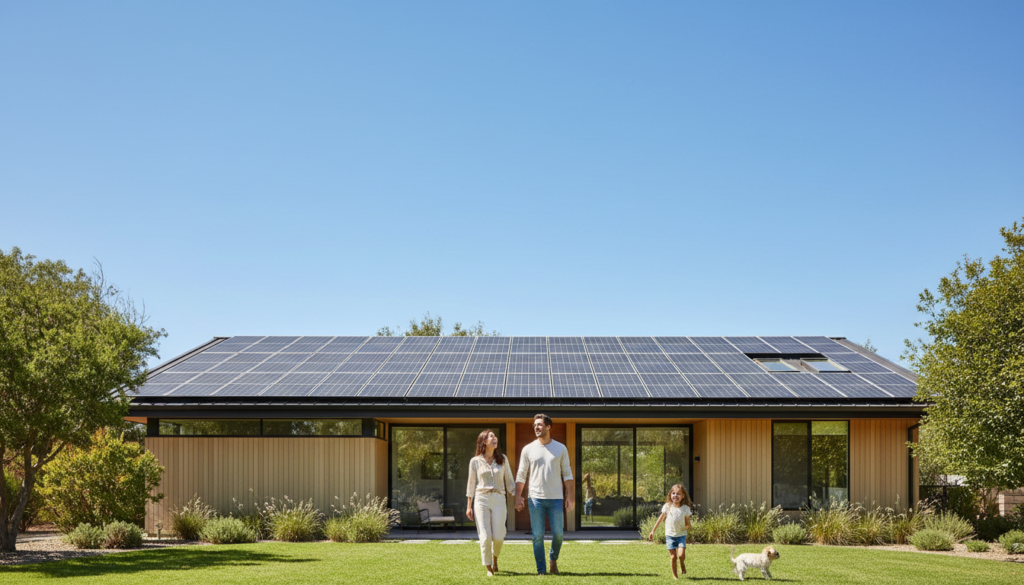
A home solar installation reduces reliance on the traditional grid and lowers your household’s carbon footprint. It’s a practical step toward using clean, renewable energy solutions without changing your lifestyle.
Added Home Value
Homes with solar power for homes already installed tend to sell faster and at higher prices, since buyers see it as a built-in savings feature.
Types of Solar Panels to Consider
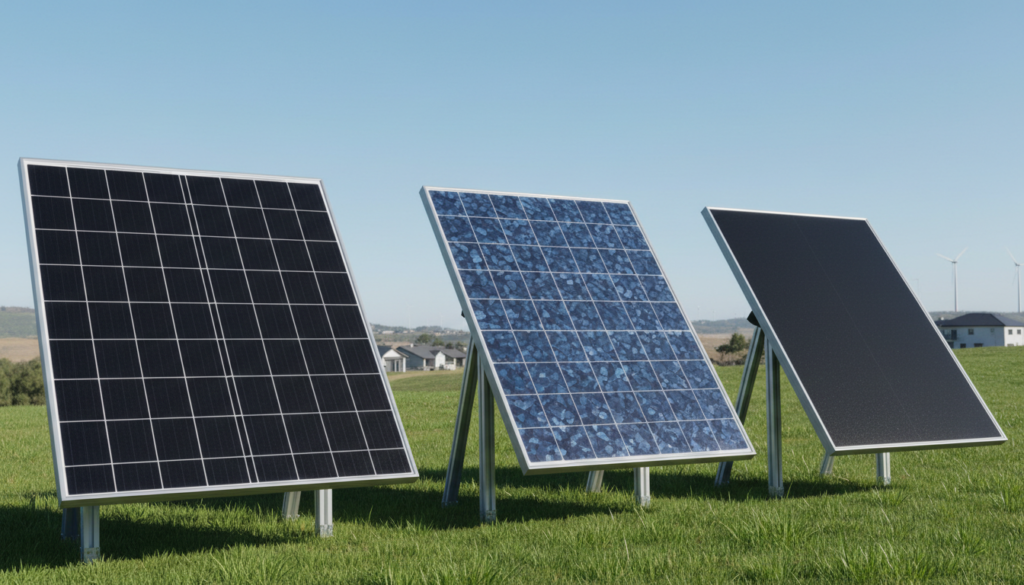
Not all panels perform the same way, so understanding your options matters before you commit.
Monocrystalline Panels
These offer the highest efficiency and longest lifespan, making them a strong choice if roof space is limited.
Polycrystalline Panels
A more budget-friendly option with slightly lower efficiency, good for homeowners with larger roof areas.
Thin-Film Panels
Lightweight and flexible, these work well for unconventional roof shapes but generally require more space to generate the same output.
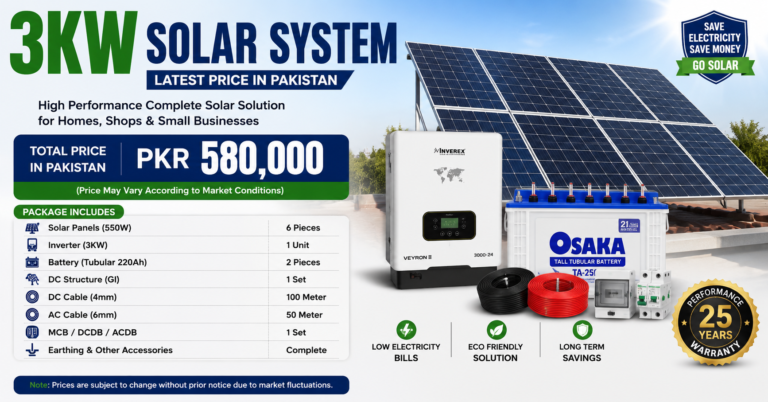
3KW Solar System Price in Pakistan – Complete Buying Guide
Core Components of a Home Solar System
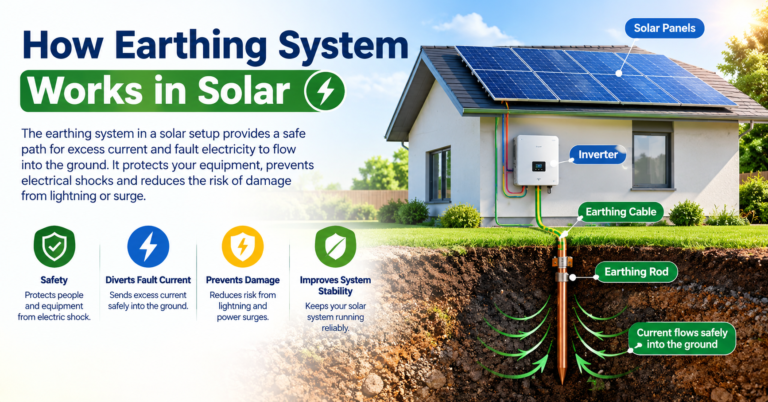
Every solar energy system relies on a few key parts working together: the panels themselves, an inverter to convert power, a mounting system to secure everything to your roof, optional battery storage for backup power, and a monitoring system so you can track performance in real time.
Choosing the Right System for Your Home
Assess Your Energy Needs
Look at your past utility bills to estimate how much power your household actually consumes, since this determines system size.
Roof Condition and Orientation
South-facing roofs with minimal shade typically produce the best results for a rooftop solar system.
Budget and Financing
Compare upfront costs against long-term savings, and check whether local financing options or loans make sense for your situation.
Solar Panel Installation Process
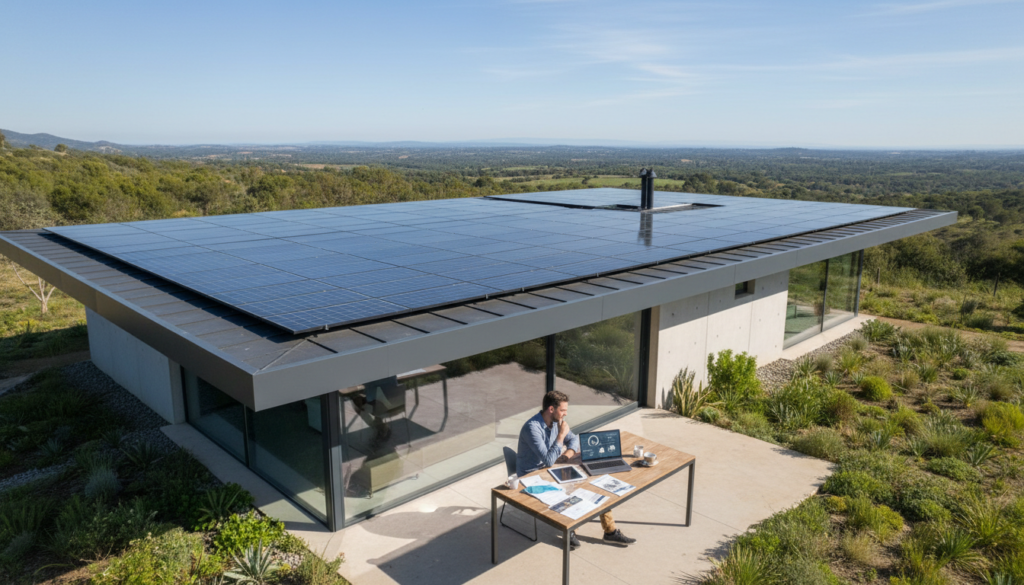
The process usually starts with a site inspection, followed by custom system design based on your roof and energy needs. After that, your installer handles permits and approvals, completes the physical installation, and finishes with a final inspection before your system is activated and connected to the grid.
Understanding the Costs
Solar installation costs in Pakistan vary with system size, equipment quality, battery storage, mounting work and installer charges. Compare the complete installed cost with your own electricity consumption and current grid rules rather than relying on foreign tax-credit or rebate assumptions.
Keeping Your System in Good Shape
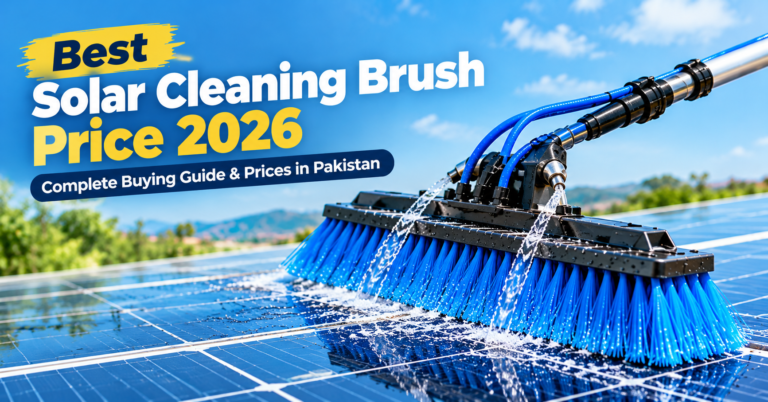
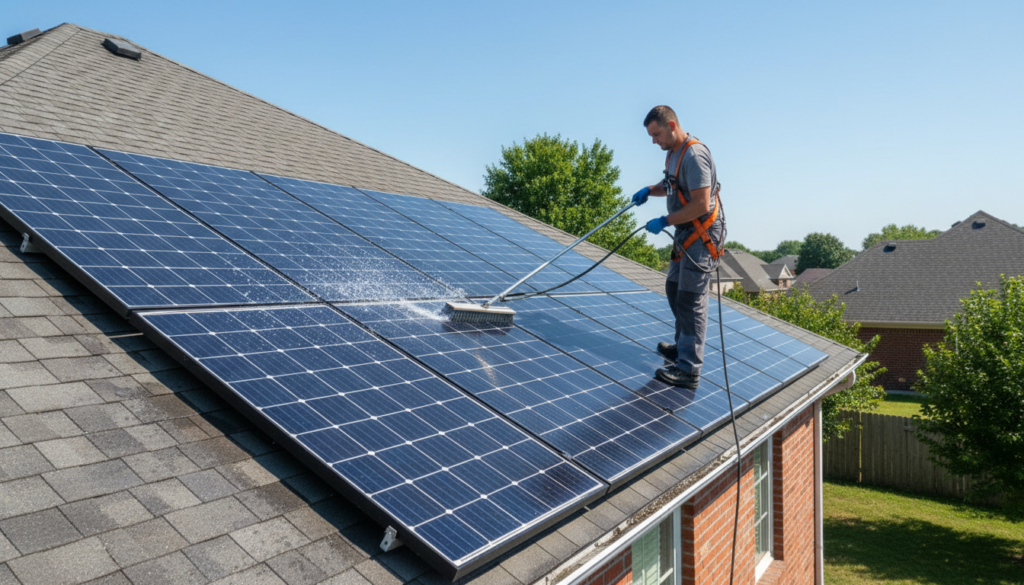
Solar panels require minimal upkeep, but periodic cleaning, performance monitoring, and annual inspections help maintain efficiency. Most systems are built to last 25 years or more with proper care.
Mistakes to Avoid
Choosing the cheapest installer without checking reviews or credentials often leads to poor workmanship. Skipping warranty details, oversizing or undersizing your system, and ignoring routine maintenance are other common pitfalls that reduce long-term value.
Is Solar Worth It?
Solar can be worthwhile for many Pakistani households, but the economics depend on daytime consumption, system cost, financing, equipment performance and current grid export rules. Calculate savings from your own bills and obtain current quotations before estimating a payback period.
FAQs: Solar Panel Guide for Homeowners
Are solar panels worth it for homeowners?
It can be worthwhile when the system is correctly sized for the household’s consumption and purchased at a competitive installed cost. Savings vary, so use your own electricity bills and current Pakistan market conditions for the calculation.
How long do solar panels last?
Most systems remain productive for 25 to 30 years with basic maintenance.
Do solar panels work on cloudy days?
Yes, though at reduced efficiency compared to direct sunlight.
How many solar panels does a house need?
This depends on your household’s energy use, typically ranging from 15 to 25 panels for an average home.
What maintenance do solar panels require?
Occasional cleaning and annual professional inspections are usually enough to keep a system running efficiently.
If you’re considering going solar, start by getting quotes from a few licensed installers in your area to compare pricing, warranties, and equipment options before making a final decision.