Electricity bills in Pakistan have pushed more homeowners toward solar than ever before. If you’re comparing solar panels for home in Pakistan right now, you’re not just buying panels. You’re buying a system, and getting that system sized right matters more in 2026 than it used to.
How Much Do Solar Panels Cost in Pakistan Right Now?
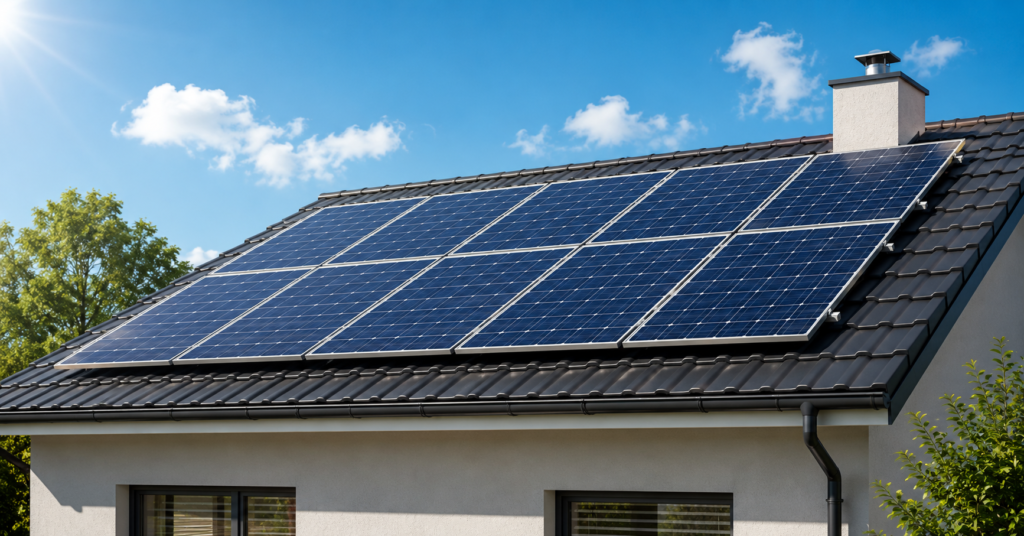
A-grade solar panels in Pakistan currently cost between Rs. 26 and Rs. 45 per watt, depending on the brand and cell technology. Budget P-Type panels sit at the lower end, while premium N-Type bifacial models from brands like Longi and Canadian Solar sit closer to the top.
For a single panel, that translates to roughly Rs. 15,000 to Rs. 20,000 for a standard 550W to 585W residential panel. Prices move daily based on the dollar rate and import costs, so treat any number as a snapshot rather than a fixed rate.
Price by Brand (2026 Averages)
- Jinko Solar: Rs. 28.5 to Rs. 44 per watt
- Longi Solar: Rs. 28 to Rs. 63 per watt (HiMO series commands the premium end)
- Canadian Solar: Rs. 27 to Rs. 45 per watt
- JA Solar: Rs. 26 to Rs. 54 per watt
- Trina Solar: Rs. 26.5 to Rs. 53 per watt
Isn’t it strange that “cheapest” and “best” rarely mean the same panel? A-grade panels cost more upfront but come with 12 to 25 year performance warranties, which matters far more over a 20-year system life than saving a few rupees per watt today.
What Size Solar System Does Your Home Actually Need?
This is where most buyers overspend or underspend. Your system size should match your daytime electricity usage, not just your roof space.
A rough guide for home solar system sizing in Pakistan:
- 3 kW hybrid system: Small households, 1-2 ACs, moderate daytime use. Costs around Rs. 400,000 to Rs. 500,000 installed.
- 5 kW system: Mid-size homes running fridges, fans, and one or two ACs regularly. Costs around Rs. 650,000 to Rs. 800,000.
- 10 kW system: Larger homes with multiple ACs, water pumps, or a home business. Costs around Rs. 1.2 million to Rs. 1.6 million.
A 1 kW system generates roughly 4 to 5 units per day depending on sunlight hours, so multiply your target system size by that range to estimate daily generation.
Use our solar panel sizing guide to work out exactly how many panels your home needs.
Solar Panels for Home in Pakistan: Which Type Fits Best?
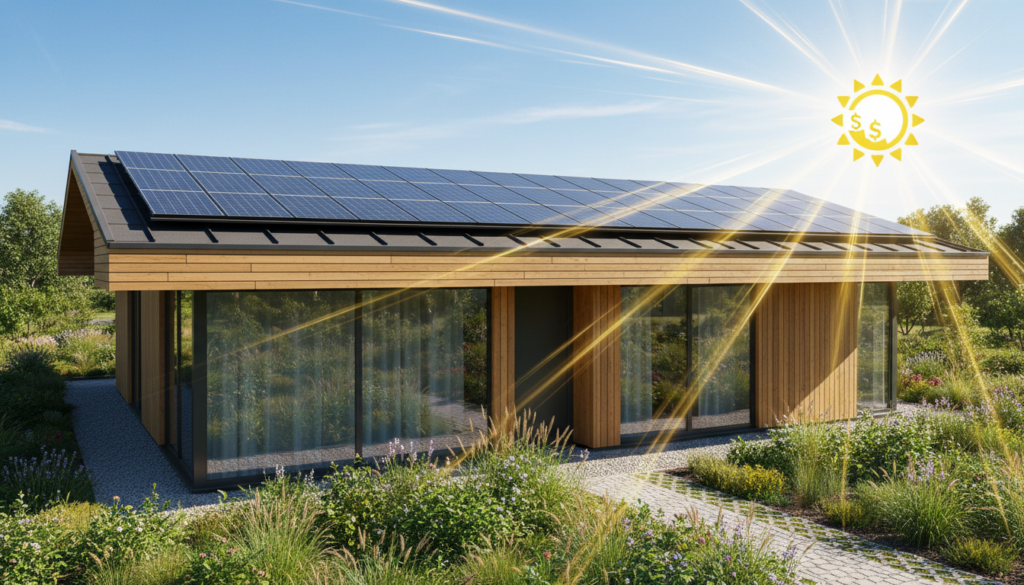
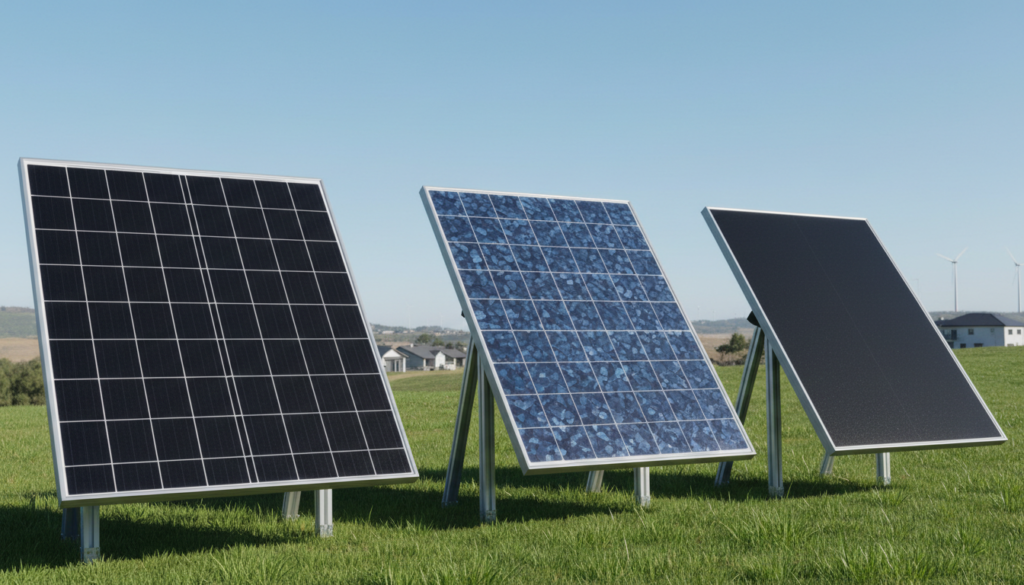
Three panel types dominate the residential market, and each serves a different budget and roof situation.
Monocrystalline Panels
These are the standard choice for residential rooftops. They offer the highest efficiency per square foot, which matters if your roof space is limited. Most new installs default to mono panels for this reason.
Polycrystalline Panels
A budget-friendly alternative that trades a bit of efficiency for a lower price. If you have generous roof space and want to keep upfront cost down, poly panels still perform reliably.
N-Type Bifacial Panels
The premium option. Bifacial panels capture light from both sides, which pushes output higher, especially on reflective rooftops. They cost more per watt but generate noticeably more electricity over the panel’s lifetime.
For a full brand-by-brand breakdown, see our ranking of the best solar panels in Pakistan for 2026.
Net Metering vs Net Billing: What Changed in 2026
This is the part most price-comparison pages skip, and it directly affects whether solar still pays off for your home.
In February 2026, NEPRA replaced the old net metering system with net billing under the Prosumer Regulations 2026. Under the old rules, exported and imported electricity were valued at the same rate, so a household that exported 100 units and imported 100 units paid nothing. Under net billing, exported units are now credited at roughly Rs. 11 to Rs. 13 per unit, while imported electricity still costs Rs. 40 to Rs. 55 per unit.
That gap changes the math completely. Every unit you consume directly still saves you the full retail rate. Every unit you export earns a fraction of that. The smart move now is to size your system for self-consumption rather than maximum export, and to shift heavy loads like ACs, water pumps, and washing machines into daylight hours whenever possible.
If you already signed a net metering agreement before February 9, 2026, your existing 1:1 terms stay protected until your contract expires. New applicants fall under the net billing framework from day one.
Hybrid, On-Grid, or Off-Grid: Which Setup Makes Sense?
- On-grid systems work best if you use most of your electricity during the day and want the lowest upfront cost.
- Hybrid systems add battery storage, letting you store daytime solar power and use it at night. This is now the most popular choice in Pakistan because it protects you from both load shedding and the lower export rates.
- Off-grid systems suit areas with unreliable or no grid connection, though they carry the highest upfront cost since batteries do all the work.
How Long Does Payback Take in 2026?
Even with lower export rates, payback periods for well-sized systems stay in the 3.5 to 4.5 year range, because panel prices have dropped faster than buyback rates were cut. A 10 kW system feeding a home that runs its ACs and pumps during the day can pay back in under 4 years.
The same system on a house that’s empty from 9 AM to 6 PM will take longer, since most of its output gets exported at the lower rate instead of offsetting your bill directly.
Steps to Install Solar Panels for Your Home
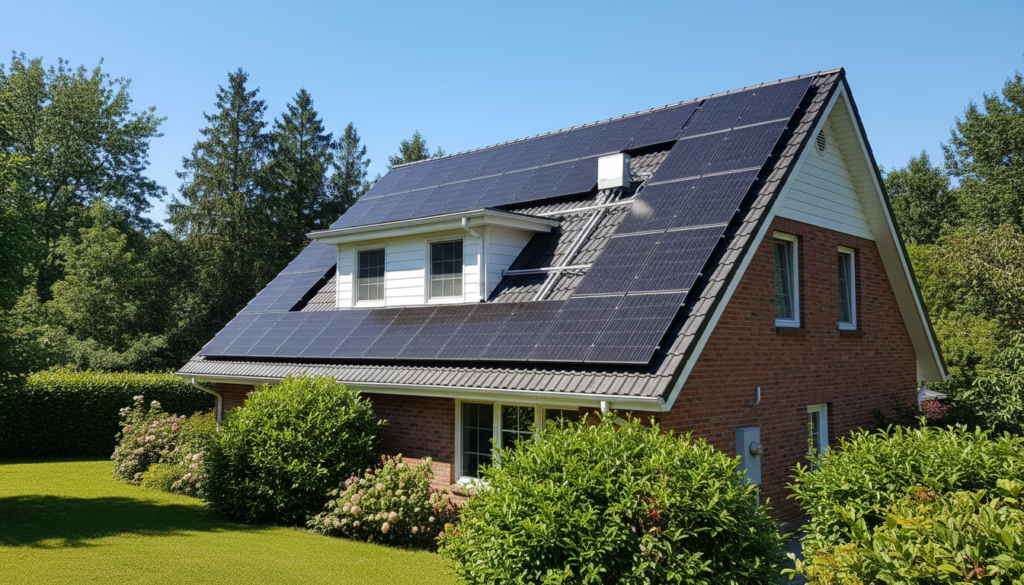
- Check your sanctioned load on your electricity bill. Your solar system size can’t exceed this without a load-extension request to your DISCO.
- Hire an AEDB-certified installer who understands the current Prosumer Regulations.
- Get a single-line diagram and system design matched to your actual daytime usage.
- Apply through your DISCO (LESCO, IESCO, MEPCO, K-Electric, etc.) with your CNIC, electricity bill, and system specifications.
- Install required safety equipment, including a DC MCB, surge protection devices, and an anti-islanding certified inverter.
- Wait for DISCO inspection and bi-directional meter installation, which typically takes 4 to 6 weeks.
Before you pay a deposit, learn how to spot fake solar panels so relabelled B-grade stock doesn’t end up on your roof.
FAQs: Solar Panels for Home
How much does a solar panel cost in Pakistan?
A-grade solar panels typically cost Rs. 26 to Rs. 45 per watt, so a standard 550W panel runs roughly Rs. 15,000 to Rs. 20,000 depending on brand and technology.
Which solar panel is best for home use in Pakistan?
550W to 585W A-grade monocrystalline panels are the most common choice for residential systems, balancing efficiency, roof space, and cost.
Is solar still worth it after the 2026 net billing changes?
Yes, for most homes. Self-consumed solar still saves you Rs. 40 to Rs. 55 per unit, which hasn’t changed. What matters now is sizing your system to match your daytime usage rather than maximizing export.
How many solar panels do I need for my home?
It depends on your daily unit consumption. A 5 kW system generates roughly 20 to 25 units per day, enough for most mid-size households running fans, fridges, and one or two ACs.
What is the difference between net metering and net billing?
Net metering credited exported and imported units at the same rate. Net billing, introduced in February 2026, credits exports at Rs. 11-13 per unit while imports still cost Rs. 40-55 per unit.
Can I install solar without net metering?
Yes. Off-grid and hybrid systems with battery storage work without a net metering agreement, though you lose the ability to sell excess power back to the grid.
How long do home solar panels last in Pakistan?
Most A-grade panels carry 12 to 25 year performance warranties, and physical panel life often extends beyond 25 years with gradual efficiency loss.


3 Comments