
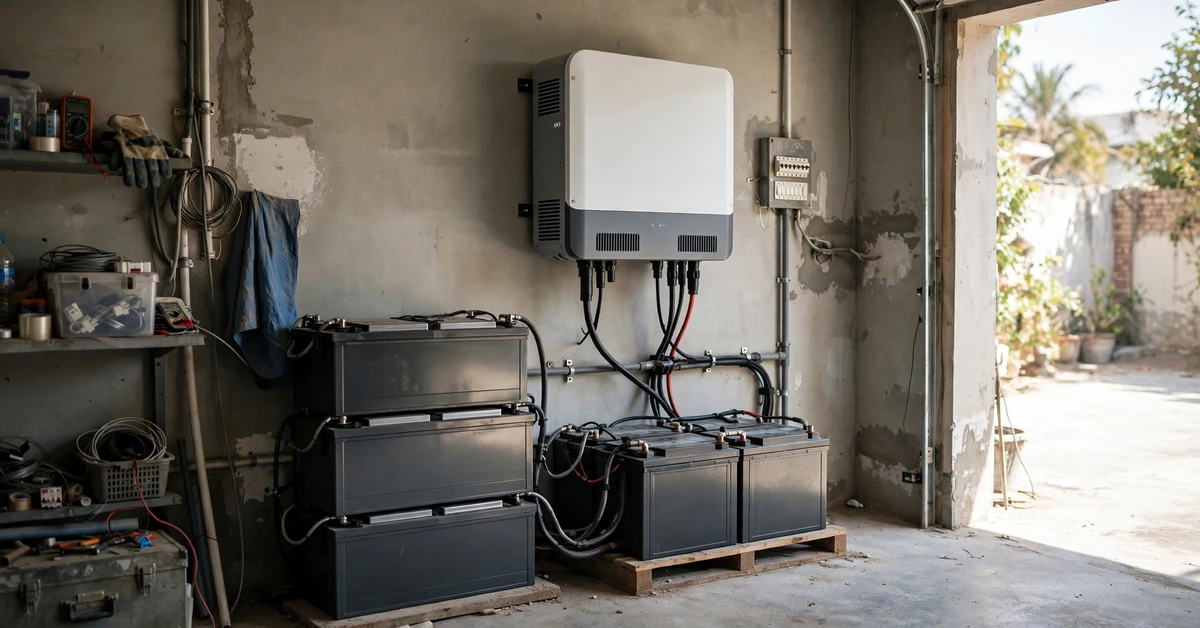
Pick the wrong solar battery and you pay for it twice: once at the shop, and again two years later when the whole bank gives up. Ask any solar owner in Multan or Sukkur who has replaced their batteries for the third time, and they will tell you the battery choice matters more than the panel brand on the roof. In Pakistan, the decision comes down to two technologies: tall tubular lead-acid batteries, the old workhorse of backup systems, and lithium iron phosphate (LiFePO4) batteries, the newer, pricier, longer-lasting rival.
This guide compares them honestly on price, lifespan, usable capacity, maintenance and real-world performance in Pakistan’s heat — so you buy once, and buy right.
What the Two Battery Types Actually Are
Tall tubular batteries are flooded lead-acid batteries with thick tubular positive plates. Four 12V, 200Ah units wired in series make the standard 48V bank found in most Pakistani homes. They need distilled water top-ups, release hydrogen gas while charging (so they need ventilation), and are sold by brands like Osaka, AGS, Phoenix and Exide.
Lithium (LiFePO4) batteries are sealed units with a built-in battery management system (BMS) that protects against overcharging, deep discharge and overheating. Popular 48V 100Ah models — roughly 5kWh of storage — come from brands such as Knox, Dyness, Narada, Pylontech and Inverex. There is no water to top up and no gas to ventilate, which is why they can sit indoors beside the inverter. If you want current model-wise figures, our lithium battery price guide for Pakistan lists what dealers are actually charging this year.
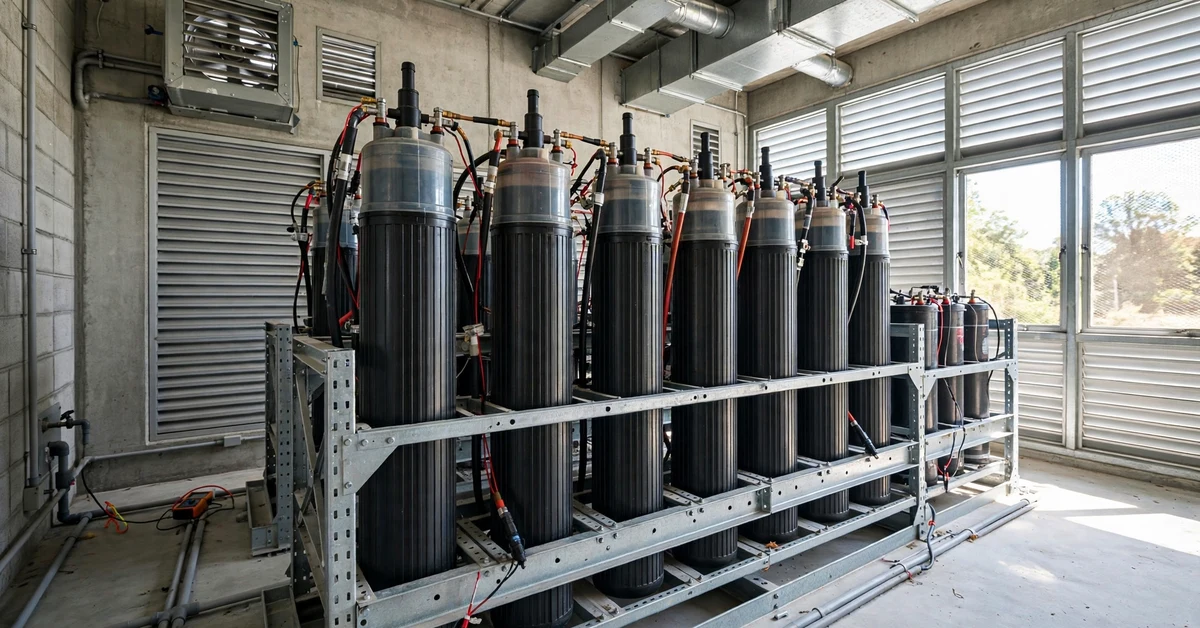
Lithium vs Tubular: Head-to-Head Comparison
| Parameter | LiFePO4 Lithium | Tall Tubular (Lead-Acid) |
|---|---|---|
| Upfront price (5kWh usable storage) | Rs 250,000 – 450,000 | Rs 160,000 – 240,000 (4 x 200Ah bank) |
| Charge cycles | 4,000 – 6,000+ | 500 – 1,200 |
| Depth of discharge (safe) | 90 – 95% | 50% recommended |
| Lifespan in Pakistan | 10 – 12 years | 2 – 3 years (less in hot cities) |
| Maintenance | None | Monthly distilled water top-ups |
| Charging speed | 1 – 2 hours | 8 – 12 hours |
| Indoor safety | Sealed, no gas | Emits hydrogen — needs ventilation |
| Heat tolerance | Excellent (BMS protection) | Poor — lifespan halves above 40°C |
Depth of Discharge: The Number Most Buyers Miss
Depth of discharge (DoD) is the share of a battery’s stored energy you can safely use before recharging. A tubular battery’s safe DoD is about 50% — drain it deeper and you damage the plates and shorten its life. So a 200Ah tubular bank labelled “9.6kWh” only gives you about 4.8kWh of usable storage.
Lithium batteries handle 90–95% DoD without damage. A 5kWh LiFePO4 unit delivers 4.5–4.8kWh of usable power — roughly the same as a four-battery tubular bank costing half as much upfront, but with several times the lifespan. This is why comparing batteries by sticker price alone is misleading; compare them by usable storage per rupee over ten years.
How Pakistan’s Heat Changes the Maths
Heat is the silent battery killer. In cities like Multan, Sukkur and Sibi, where summer temperatures cross 45°C, a tall tubular battery’s advertised 4–5 year lifespan often collapses to just 1.5–2 years. Every 10°C above the rated temperature roughly halves a lead-acid battery’s life.
Lithium batteries tolerate heat far better. At 25°C they can last 10–15 years; even at sustained 45°C+ heat they typically hold 8–10 years, with the BMS shutting the unit down before thermal damage occurs. If your batteries sit in an unventilated storeroom or a sun-baked garage, the technology gap widens dramatically. The right backup size matters too — see our battery sizing guide for Pakistani homes before deciding how much storage you actually need.
Maintenance: The Hidden Monthly Tax
Tubular batteries demand attention. In summer you should check electrolyte levels every two weeks and top up with distilled water only — tap water kills them. Terminals need cleaning, specific gravity should be checked periodically, and the charging room needs an exhaust fan. Skip the maintenance and the plates sulphate, the capacity drops, and the bank dies early.
Lithium batteries need none of this. There is no water, no acid, no gas and no corrosion. The BMS monitors every cell automatically. For a household that does not want to babysit its batteries — or a shop owner who cannot — that zero-maintenance factor alone often justifies the price difference.
10-Year Cost: Tubular Is the Expensive Option
Run the numbers over a decade and the sticker-price advantage of tubular batteries reverses. A 4 x 200Ah tubular bank costs around Rs 160,000–240,000 but typically needs replacement every 2.5 years in real Pakistani conditions — that is three to four purchases over ten years, plus distilled water, maintenance visits and the rising price of each replacement. The ten-year outlay easily crosses Rs 900,000.
A single 5kWh lithium unit costs Rs 250,000–450,000 upfront and lasts the full decade with no replacements. Even at the premium end, lithium comes out roughly 60% cheaper over ten years — and every year it also wastes less of the solar energy you paid good money to generate, because its round-trip efficiency is above 95% against about 70% for tubular.
Which Battery Should You Choose?
Choose tubular if: you rent and may move within a year or two, your budget is genuinely tight and you only need backup for lights and fans, or you have a reliable technician who does the monthly maintenance for you.
Choose lithium if: you own your home and plan to stay five or more years, you run inverter ACs or other heavy loads on backup, your backup room gets hot, or you simply never want to think about water levels again. Lithium also pairs best with a modern hybrid inverter and a hybrid solar system — the combination most Pakistani households are installing in 2026.
Frequently Asked Questions
How long do tubular batteries actually last in Pakistan?
Manufacturers advertise up to 5 years, but in real conditions — daily deep discharges during load-shedding and 45°C summers — most banks last 2 to 3 years, and under 2 years in the hottest cities without proper ventilation.
Can I replace just one dead tubular battery in my bank?
No. Mixing old and new batteries in one bank is a costly mistake: the degraded battery has higher internal resistance and drags down the new one, shortening its life. Replace the whole bank together.
Is my old tubular battery worth anything?
Yes — the lead inside is recyclable. Scrap dealers typically pay Rs 8,000–12,000 per old 200Ah tubular battery, which offsets part of your replacement cost.
Can a lithium battery run an inverter AC?
Yes — this is one of lithium’s biggest advantages. It handles the high surge current of AC compressors far better than tubular banks, which struggle with deep, fast discharge.
Do lithium batteries work with my existing inverter?
Most 48V hybrid inverters (Inverex, Growatt, Solis, Crown) support lithium mode — check that your inverter has a lithium/BMS setting and set the charging voltages to the battery manufacturer’s specification sheet.
The honest summary: tubular batteries are a rental, lithium batteries are an asset. If you can stretch the upfront budget, lithium is the cheaper, calmer choice for almost every Pakistani home in 2026.



One Comment