
Introduction
Choosing the right solar inverter is just as important as selecting high-quality solar panels. A solar inverter converts the electricity generated by your panels into usable power for household appliances. It also helps manage energy production, grid exports and battery storage.
In 2026, UK homeowners have several inverter options, including traditional string inverters, hybrid inverters, microinverters and optimiser-based systems. Each technology offers different advantages depending on roof design, household electricity consumption and future battery requirements.
A string inverter is often a cost-effective solution for straightforward solar installations, while a hybrid inverter offers greater flexibility for homeowners planning to add battery storage. Understanding these differences can help you choose a system that delivers reliable performance and long-term value.
This guide compares popular solar inverter brands, explains their features and explores which technology is best suited to UK homes in 2026.
1. What Is a Solar Inverter and Why Is It Important?
A solar inverter is an essential component of a solar panel installation. Solar panels generate direct current (DC) electricity, but most household appliances operate using alternating current (AC).
The inverter converts DC electricity into AC electricity so it can be used around the home.
Main Functions of a Solar Inverter
- DC to AC conversion: Converts electricity generated by solar panels into usable household power.
- Energy monitoring: Tracks electricity generation and system performance.
- Grid management: Helps control electricity exported to the national grid.
- Battery integration: Compatible models manage charging and discharging of home batteries.
- System protection: Provides monitoring and protective functions against certain electrical faults.
A good-quality inverter can improve system management, but overall solar performance also depends on panel quality, roof orientation, shading and installation design.
2. Best Solar Inverter Brands in the UK in 2026
Several manufacturers offer residential solar inverters suitable for UK installations. The best choice depends on your budget, battery plans, warranty requirements and installer support.
Solis Solar Inverters
Solis offers both string and hybrid inverters for residential solar systems. Its S6 range includes hybrid models designed for battery integration and conventional string models for solar-only installations.
Key features:
- Multiple residential power ratings.
- Hybrid and conventional inverter options.
- Battery-compatible models.
- Monitoring through connected applications.
Solis can be worth considering for homeowners looking for different inverter configurations and battery choices.
Fox ESS Solar Inverters
Fox ESS manufactures residential hybrid inverters and battery storage products. Its H1 range is designed for households that want solar generation and battery storage within one system.
Key features:
- Hybrid inverter technology.
- Compatible high-voltage battery options.
- Residential system configurations.
- Energy monitoring capabilities.
Fox ESS may suit homeowners planning to install solar panels and battery storage together.
SolaX Solar Inverters
SolaX provides string, hybrid and battery storage solutions. Its X1 Hybrid G4 range is designed for residential solar installations requiring battery integration.
Key features:
- Hybrid energy management.
- Battery storage compatibility.
- Residential power options.
- Remote monitoring and system management.
SolarEdge Inverters
SolarEdge uses an inverter and power optimiser approach to manage individual solar panel performance. This configuration can be useful for properties with shading or multiple roof orientations.
Key features:
- Panel-level performance monitoring.
- Power optimiser technology.
- Battery-compatible system options.
- Advanced energy management.
Fronius Solar Inverters
Fronius is another established manufacturer offering residential solar and hybrid inverter solutions. Its GEN24 Plus range supports selected battery configurations and backup functionality.
Key features:
- Hybrid inverter options.
- Battery integration.
- System monitoring.
- Backup functionality on compatible configurations.
These are examples worth comparing rather than a laboratory-tested ranking. Model specifications, warranties and battery compatibility should always be checked against the manufacturer’s current UK documentation.
3. Hybrid vs String Inverters: What Is the Difference?
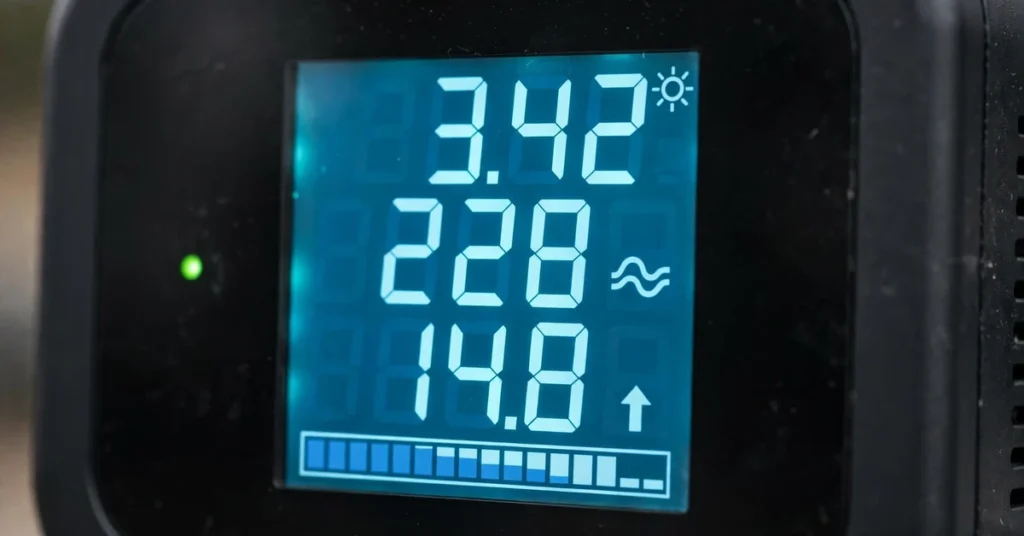
The main difference is how each inverter handles battery storage and energy management.
What Is a String Inverter?
A string inverter connects several solar panels together in a series, known as a string. The combined DC electricity is sent to one central inverter, which converts it into AC electricity.
Advantages:
- Usually lower upfront equipment cost.
- Straightforward installation on simple roofs.
- Established and widely used technology.
- Suitable for solar-only systems.
Disadvantages:
- Shading on one panel can affect the output of other panels in the same string, depending on system design.
- Battery storage may require additional equipment.
- Panel-level monitoring is generally limited without optimisers.
A string inverter is often a sensible choice when panels face the same direction and receive similar sunlight throughout the day.
What Is a Hybrid Inverter?
A hybrid inverter manages electricity from solar panels and a compatible battery. It can convert solar DC electricity for household use while controlling battery charging and discharging.
Advantages:
- Supports compatible battery storage.
- Can reduce the need for a separate battery inverter.
- Helps manage solar generation and stored energy.
- Offers flexibility for households planning future storage.
Disadvantages:
- Usually costs more than a basic string inverter.
- Battery compatibility varies by model.
- Some systems require batteries from specific manufacturers.
- More advanced configurations can increase installation complexity.
A hybrid inverter is often a good option if you want to install a battery immediately or expect to add one later.
Hybrid vs String Inverter Comparison
| Feature | String inverter | Hybrid inverter |
|---|---|---|
| Solar panel operation | Yes | Yes |
| Battery connection | Often needs additional equipment | Supported on compatible models |
| Initial cost | Usually lower | Usually higher |
| System flexibility | Best for simpler solar setups | Better for integrated storage |
| Installation | Generally straightforward | Can be more involved |
| Best suited to | Solar-only homes | Homes planning battery storage |
4. Which Solar Inverter Is Best for Your UK Home?
The best inverter depends on the layout of your property and how you plan to use electricity.
Choose a String Inverter If:
- Your roof has one main orientation.
- Solar panels receive relatively consistent sunlight.
- You do not plan to install battery storage.
- You want to keep initial equipment costs lower.
Choose a Hybrid Inverter If:
- You want battery storage now or in the future.
- You want to use more of your own solar electricity.
- You are considering time-of-use electricity tariffs.
- You prefer integrated solar and battery management.
Consider Microinverters or Optimisers If:
Your roof has significant shading, several roof directions or panels operating under different conditions. Microinverters convert electricity at individual panels, while optimisers work with a compatible central inverter to manage panel-level performance.
These technologies can improve system design in complex conditions, but they usually cost more than a basic string setup. The Energy Saving Trust explains the differences and trade-offs between inverter technologies in its solar inverter guidance.
5. How Much Do Solar Inverters Cost in the UK in 2026?
Solar inverter prices vary according to power rating, technology, manufacturer and whether the price includes installation.
As a broad budgeting guide, a basic residential string inverter may cost several hundred pounds to over £1,000 for the equipment. Hybrid models can cost more, particularly when they include advanced battery controls or backup features. Microinverter and optimiser systems are priced differently because they include equipment at panel level.
Your quotation may also include labour, wiring, protection equipment, configuration and commissioning. Ask installers to separate equipment and installation costs so you can compare like-for-like offers.
6. Important Features to Check Before Buying
Inverter Efficiency
Compare the manufacturer’s European or weighted efficiency figures, rather than relying only on peak efficiency. Real-world performance also depends on system design and operating conditions.
Battery Compatibility
If you are considering storage, request a written list of compatible battery models. Check whether the inverter supports the capacity and charging power you need.
Warranty and UK Support
Review the standard warranty, registration requirements and extension conditions. Ask who handles warranty claims in the UK and whether replacement parts are readily available.
Monitoring and Backup
Check whether the inverter includes an easy-to-use monitoring application. If backup power matters, confirm exactly which circuits can operate during a power cut. A standard grid-connected solar inverter does not necessarily provide backup electricity when the grid fails.
7. Steps to Choose and Install a Solar Inverter
- Assess your roof: Identify roof directions, shading and available panel space.
- Review electricity use: Consider current consumption and whether you may add an electric vehicle or battery.
- Decide on storage: Choose between a solar-only system and a battery-ready or hybrid design.
- Compare installer quotations: Ask for the exact inverter make, model, rated output and warranty.
- Check grid requirements: Your installer should determine whether G98 notification or G99 approval is required for the proposed system.
- Confirm commissioning: Obtain system documentation, certificates, warranty details and monitoring access after installation.
Use an appropriately qualified installer and make sure the proposed inverter is compatible with the panels, battery and UK electrical connection requirements.
Conclusion
The best solar inverter in the UK in 2026 depends on your home’s roof layout, budget and plans for battery storage. String inverters remain a practical and affordable option for straightforward solar-only installations, while hybrid inverters offer more flexibility for households that want to store surplus electricity.
Brands such as Solis, Fox ESS, SolaX, SolarEdge and Fronius offer different residential solutions, but no single manufacturer is ideal for every property. Compare exact model specifications, battery compatibility, warranty conditions and local support before making a decision.
A carefully designed system installed by a qualified professional will generally matter more than choosing an inverter based only on brand popularity or headline efficiency.
Frequently Asked Questions
1. Which solar inverter is best in the UK in 2026?
There is no single best inverter for every home. Solis, Fox ESS, SolaX, SolarEdge and Fronius are brands worth comparing. The right model depends on roof design, battery plans, budget and warranty support.
2. Is a hybrid inverter better than a string inverter?
A hybrid inverter is more suitable if you want integrated battery storage. A string inverter is often cheaper and works well for simple solar-only systems. The better option depends on your requirements.
3. Can I add a battery to a string inverter?
Yes, in some systems. You may need an additional battery inverter or other compatible equipment. Ask an installer to check your existing system before buying a battery.
4. How long does a solar inverter last?
Many conventional string inverter warranties are around 5 to 10 years, although actual service life varies. Some products offer longer cover when registered or under specific conditions. Check the warranty for the exact model.
5. Do solar inverters work during a power cut?
Most standard grid-connected inverters shut down during a power cut for safety. Backup electricity is available only when the system has suitable backup hardware and has been configured to operate independently of the grid.
Sources and Further Reading
- Energy Saving Trust — Energy Saving Trust — solar inverter guidance and technology comparisons.
Prices, scheme details and eligibility rules can change. Always check the latest official guidance before applying or signing a contract.





One Comment