
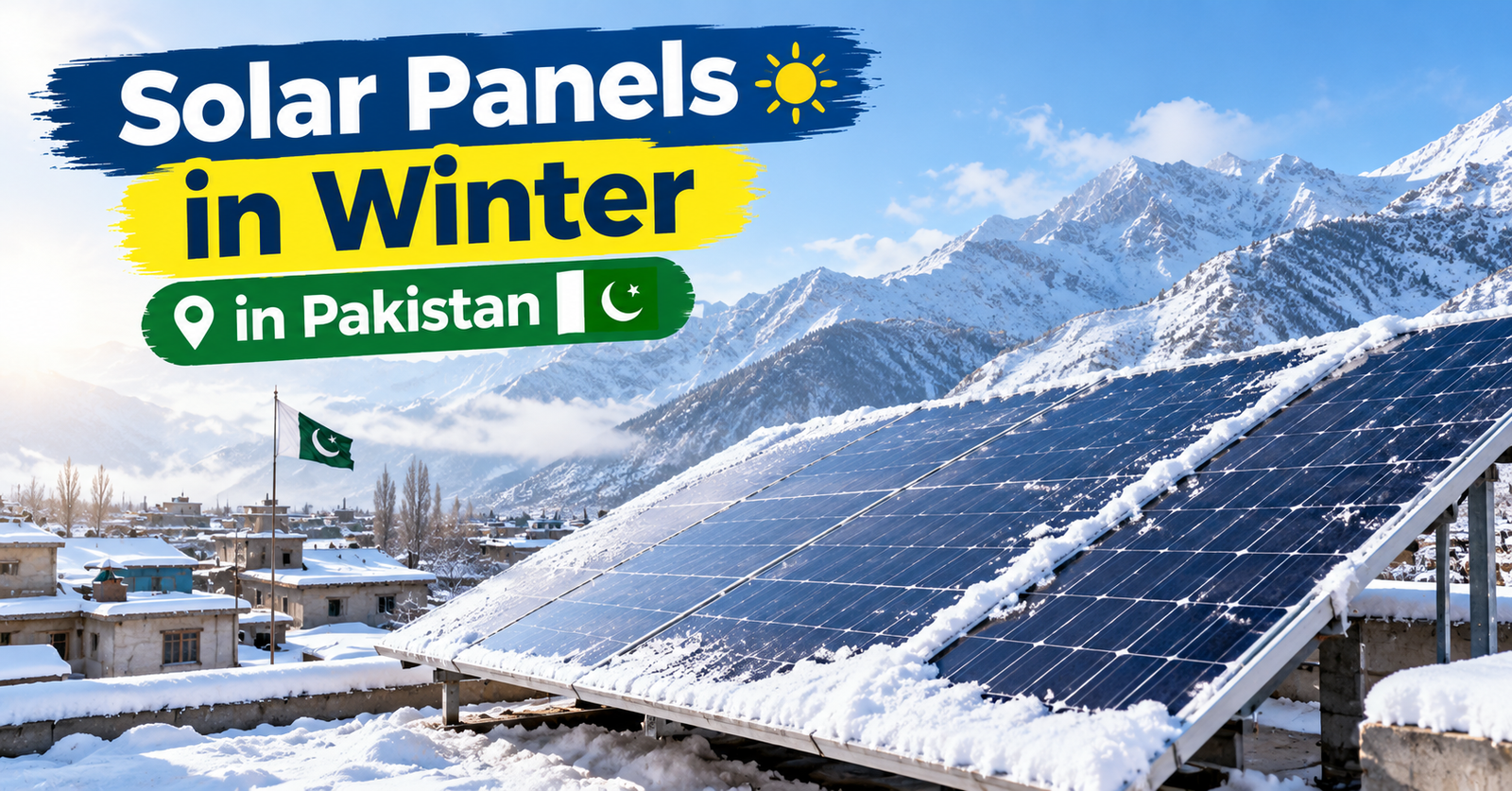
The Reality of Solar Energy During Winter in Pakistan
Many homeowners in Pakistan express concern regarding the performance of solar power systems as the winter season approaches. With shorter daylight hours, the presence of persistent fog in the Punjab region, and lower sun angles, it is natural to wonder if your investment will continue to provide useful electricity. The short answer is that solar panels do continue to function throughout the winter months, although your overall energy yield will naturally decrease compared to the peak summer season.
Solar panels do not stop working simply because the temperature drops or the days grow shorter. They are designed to convert light—not heat—into electricity. While cold weather can actually improve the voltage efficiency of photovoltaic cells, the limiting factor in winter is the reduced duration of high-intensity sunlight and the obstruction caused by atmospheric conditions like haze or fog.
Understanding the Impact of Short Days and Low Sun Angles
Daylight reaches its seasonal minimum around the December solstice, although the difference from summer depends on location. The winter sun follows a lower path, changing roof shading and the angle at which light reaches the modules. Both daylight duration and irradiance affect daily energy; panel temperature is a separate factor.
If your system was installed following the principles discussed in our guide on solar panels on the roof, your installer likely accounted for these variations by optimizing the tilt angle. Daily energy can fall when shorter days and fog reduce incoming sunlight, but winter output is site-specific. Review monthly design estimates and your own production history rather than assuming a universal summer maximum. A clear cool winter day can perform well even when a foggy day produces very little.
Fog and Atmospheric Haze: Challenges to Output
In many parts of Pakistan, particularly the northern and central plains, winter is synonymous with thick fog. Fog acts as a filter, scattering and absorbing a significant portion of the solar spectrum before it reaches your panels. While your panels will still generate power during foggy or overcast days, the output will be significantly lower than on a clear, crisp winter day.
Modern high-efficiency panels are increasingly capable of capturing diffuse light, which is light that has been scattered by clouds or fog. While this technology provides some output during low-light conditions, it is not a substitute for direct, clear sunlight. Fog can explain reduced output but does not rule out faults. Check monitoring timestamps and logged errors before attributing every drop to weather. Persistent low production during clear daylight deserves an installer review. You can learn more about how different factors influence your system by visiting our overview on solar panels explained benefits costs.
Practical Maintenance and System Health
Because winter output is already limited, any additional shading or surface obstruction can have a disproportionate impact on your system’s performance. Conduct a physical inspection of your installation area to ensure that no new obstructions, such as overgrown tree branches or winter-time structures, are casting shadows on your array.
The JA Solar buying guide helps compare module information, but no brand eliminates shading losses. Ask an installer to assess winter shadows and use exact model manuals for maintenance. Do not change inverter protection settings simply because the season changes.
Common Questions About Winter Solar Performance
Does cold weather damage panels?
No. In fact, photovoltaic panels generally operate more efficiently in cooler temperatures. Cold weather helps keep the internal resistance of the cells lower.
Should I wipe fog off the panels?
You do not need to wipe fog off the glass. Fog is atmospheric and will dissipate naturally as the sun rises higher. Only remove dust or debris.
Will I have zero output on foggy days?
Some generation may continue in diffuse light, but very low irradiance can leave an inverter below its operating threshold. Useful output cannot be guaranteed during dense fog. Check local conditions and equipment readings.
Is a battery backup essential in winter?
Batteries are useful for load shedding management during long winter nights, regardless of daily solar yield, helping stabilize your home energy usage.
Summary and Next Steps
Winter in Pakistan does not render solar energy useless. While the total kWh production will naturally decrease due to the sun’s angle and weather conditions like fog, a well-maintained, high-quality system will continue to offset your grid consumption effectively. The key to successful winter operation is managing your expectations regarding output and ensuring your panels remain free from debris.
If you find that your current system is failing to meet your needs during these months, it may be time to consult with your original installer to verify that your inverter and module configuration are optimized for your specific location and roof orientation. Consistency in monitoring your output through your inverter’s dashboard will give you the most accurate data on how your local micro-climate affects your system throughout the winter cycle.
Source: NEPRA — National Electric Power Regulatory Authority






2 Comments