
Can Your Roof Support Solar Panels?
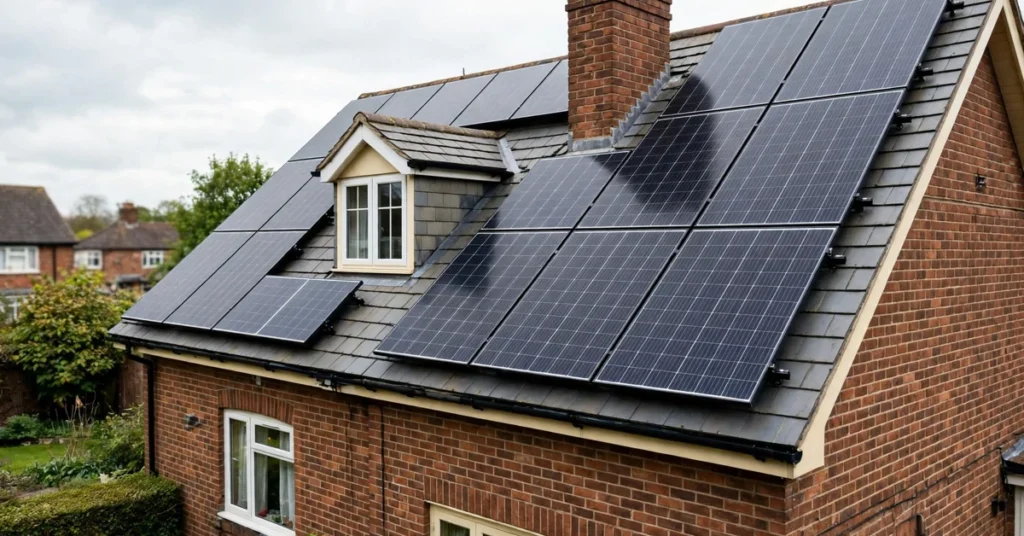
Most UK homes can accommodate solar panels, but suitability depends on several factors rather than one simple rule. Roof structure, covering, orientation, pitch, shading, condition, and available space all influence whether a system can be installed safely and produce useful electricity. A roof that looks ideal from the street may need reinforcement, repairs, or a different mounting arrangement, while a roof that appears less promising can still work with a carefully designed system. The installer should assess the property before recommending equipment or confirming a final installation plan.
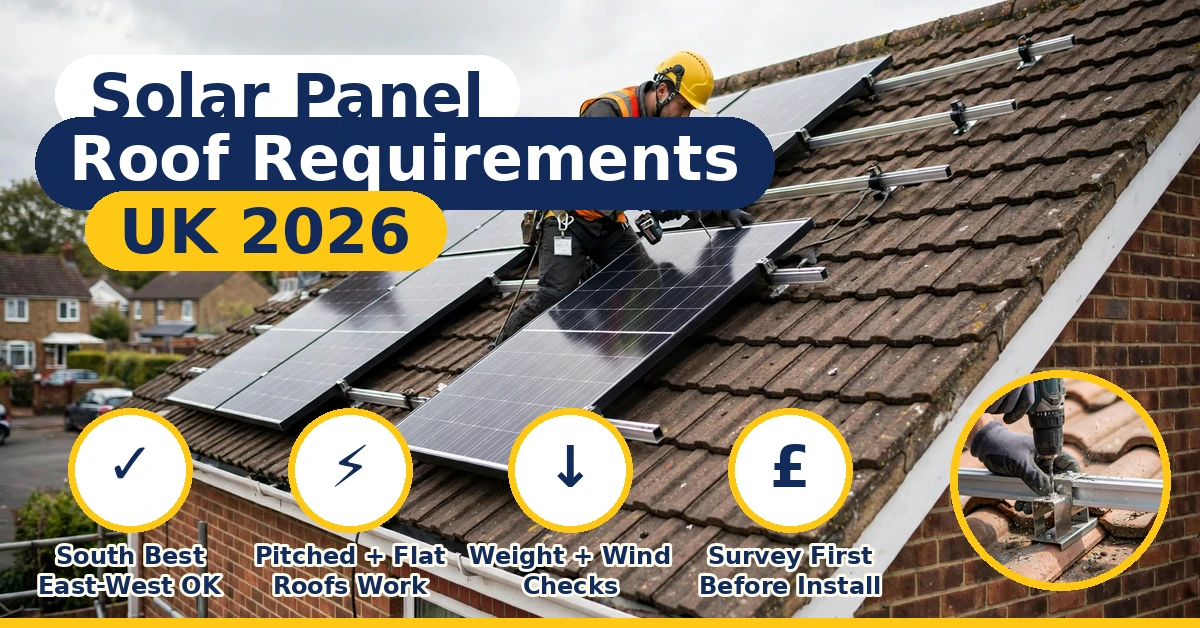
Solar panels are commonly fitted to pitched roofs, flat roofs, garages, extensions, and some outbuildings. Installers use mounting systems suited to the roof material and structure, securing the equipment in a way that transfers loads safely. The assessment should consider not only the panels but also rails, brackets, wiring, inverters where applicable, and the loads created by wind and snow. UK weather can place significant demands on roof-mounted equipment, so a structural assessment is more than a box to tick.
If you’re planning solar in 2026, ask your installer to explain the roof assessment and how the proposed mounting system suits your building. A reputable installer should identify any concerns about the roof’s condition, access, shading, and structural capacity before work begins. It is generally better to repair a roof before adding panels than to remove an array later for roof maintenance. Proper planning helps protect the building and reduces the risk of avoidable installation costs.
Which Roof Types Are Suitable for Solar Panels?
Solar panels can be installed on many roof types, including traditional pitched roofs, flat roofs, and some metal roofs. The mounting approach varies depending on the roof’s construction and covering. On a pitched roof, installers often use roof hooks or brackets attached to rafters or other structural members, with rails supporting the panels. Flat roofs commonly use designed mounting frames that set the panels at an appropriate angle, with the system engineered for wind loads and the roof’s structural limits.
The roof material matters because the mounting equipment must avoid damaging the covering and must be compatible with it. Slate, tile, concrete tile, standing-seam metal, and other coverings may need different mounting details. Some roofs are more delicate or difficult to work on, and installation may require specialist equipment or methods. The installer should confirm the attachment approach, weatherproofing details, and any warranties affected by the work.
Pitched Roofs
Pitched roofs are common in the UK and are often suitable for solar panels. A sloping roof can provide a useful angle for panels without requiring a separate frame to create a tilt, and installers can often mount panels close to the roof surface. The suitability of a pitched roof depends on its orientation, slope, condition, structural design, and available area. Roofs with multiple slopes may allow panels to be spread across different orientations, although energy output can vary by side.
Flat Roofs
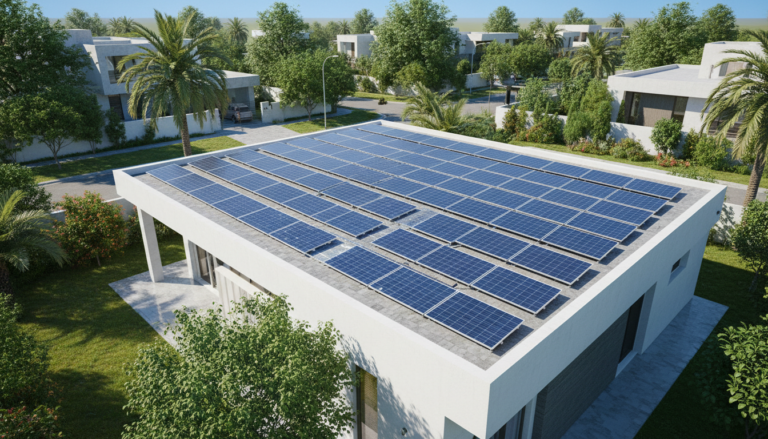
Flat roofs can also support solar panels, but mounting systems generally create a tilt or use an arrangement designed for the roof and site. The installer must consider wind uplift, drainage, waterproofing, access, and the loads imposed by the system. Some mounting arrangements use ballast, while others may involve structural attachment; neither approach should be chosen without a site-specific design. Ballasted systems can add substantial weight, so the roof’s capacity and the system’s wind design need careful assessment.
Which Roof Direction Is Best in the UK?
In the UK, south-facing roofs are often considered favourable for solar panels because they can receive strong sunlight across the day. However, east- and west-facing roofs can also be worthwhile. East-facing panels tend to generate more electricity earlier in the day, while west-facing panels can produce more later in the afternoon. The best orientation depends on how your household uses electricity, the roof space available, shading, and the system design.
A south-facing roof is not a strict requirement. A roof facing southeast or southwest may still provide good output, and east-west arrangements can spread generation across a longer part of the day. This can be useful for households whose electricity use is concentrated in the morning or evening. Solar generation is affected by the season, local weather, roof pitch, and shading, so an installer should use a location-specific estimate rather than relying only on a compass direction.
| Roof direction | General UK solar suitability |
|---|---|
| South | Often favourable for overall generation |
| Southeast | Often strong morning-to-midday generation |
| Southwest | Often strong midday-to-afternoon generation |
| East | Earlier generation; may suit morning demand |
| West | Later generation; may suit afternoon demand |
| North | Often less productive, but suitability depends on pitch, shading, and design |
The table is a general guide, not a guarantee. A shallow north-facing roof may perform differently from a steep north-facing roof, and local obstructions can change the results. Ask for an estimate showing expected annual generation and assumptions for the specific roof surface being considered.
Roof Pitch and Solar Panel Performance
Roof pitch, or the angle of the roof slope, affects how sunlight reaches the panels. In the UK, a range of roof angles can work for solar, and there is no single pitch that automatically makes a roof suitable or unsuitable. The installer can assess the pitch alongside orientation, shading, and the solar design. Panels fitted to a steep roof may have different production characteristics from those on a shallow roof, but both can potentially be useful.
On pitched roofs, panels are commonly mounted parallel to the roof surface, using the roof’s existing angle. On flat roofs, frames may be used to set the panels at a tilt, although the chosen angle affects wind loads, spacing, and how much equipment can fit on the roof. Increasing the tilt may improve certain aspects of generation but can also increase wind exposure and create more shading between rows. The design should balance output, safety, roof capacity, and layout.
Solar Panel Roof Weight and Structural Limits
Solar panels and their mounting equipment add weight to a roof. The total load depends on the panels, rails, fixings, cable routes, mounting frames, ballast, and other components. Roofs are designed to withstand loads, but a building’s age, construction, condition, and previous alterations can influence its remaining capacity. The installer should assess whether the proposed system’s loads can be safely supported and whether additional engineering review is needed.
For many pitched-roof systems, the added dead load from panels and mounting hardware is relatively modest compared with the overall structural capacity of a properly designed roof, but this must not be assumed for every property. Flat-roof systems using ballast may add considerably more weight, and wind uplift can be a critical design consideration. The installer or structural engineer should account for relevant loading conditions, including wind and snow, in accordance with applicable standards and building requirements.
Do not rely on a generic online weight figure to decide whether your roof is safe. System weights vary, and the important question is whether the building can support the actual proposed installation. If an installer identifies concerns about rafters, trusses, roof decking, signs of movement, or a flat-roof structure, obtain a qualified structural assessment before proceeding.
Roof Condition, Age and Repairs
Roof condition is a major consideration when planning solar panels. If tiles are broken, flashing is deteriorated, the roof leaks, or the underlying structure has signs of damage, repairs should usually be considered before installation. Solar panels can make later roof access more complicated because the array may need to be removed to reach parts of the covering. Installing panels on a roof nearing the end of its service life could create additional costs down the road.
A roof inspection should check the visible covering, ridge and verge details, flashing, gutters, roof penetrations, and signs of water ingress. The structural assessment may also consider the rafters, trusses, battens, decking, and any previous alterations. The installer should explain whether repairs are needed and how the solar mounting system will preserve the roof’s weatherproofing.
If a roof replacement is planned, consider coordinating it with solar installation. This may simplify mounting arrangements and reduce the likelihood of removing and reinstalling panels later. However, roofing and solar work should be planned by appropriately qualified contractors, with clear responsibilities for waterproofing, structural details, and warranties.
Shading, Chimneys and Roof Obstacles
Shading can significantly affect solar panel generation. Trees, neighbouring buildings, chimneys, dormers, roof vents, and other obstacles may cast shadows on the panels at different times of day or throughout the year. Even a partial shadow can affect the output of some panel configurations, although the impact depends on the system design and equipment. The installer should assess shading across relevant seasons, not just during the site visit.
Roof obstacles also reduce the usable space available for panels. Installers may need to maintain access paths, avoid roof windows, preserve clearance around certain features, and follow applicable fire-safety and building requirements. A roof with several obstacles may still support solar panels, but the layout may need to use multiple strings, optimisers, or other design approaches where appropriate. These choices should be explained in the quotation and reflected in the expected output.
Roof Materials and Solar Mounting Systems
Different roof coverings require different mounting details. Tile roofs may use hooks or brackets designed to connect to structural members while lifting or modifying tiles as necessary. Slate roofs may need specialist fixings to reduce the risk of damage. Standing-seam metal roofs can sometimes use seam clamps designed for the specific roofing system, while other metal roofs may need a different attachment method. The installer should never assume that one fixing type works for all roof coverings.
Waterproofing is critical. Mounting points, penetrations, flashing, and cable routing must be designed and installed so that the roof continues to shed water properly. Installation workmanship and compatibility with the roof manufacturer’s warranty should be discussed before work begins. Ask what happens if a leak is discovered after installation and which contractor is responsible for correcting it.
Planning Permission and UK Building Regulations
Many domestic solar panel installations in England are permitted development, provided they meet the applicable conditions and limitations. However, permitted-development rules are not universal across every property or circumstance. Listed buildings, conservation areas, certain designated locations, flats, and installations that exceed specific limits may require additional permissions or checks. Rules can also differ across England, Wales, Scotland, and Northern Ireland, so homeowners should verify the requirements applicable to their location.
Building regulations may also apply, particularly in relation to structural safety, electrical work, fire safety, and the installation’s effect on the building. The installer should explain which approvals, certifications, or notifications are needed and how these will be handled. For electrical work, customers should confirm that the installer follows the relevant UK standards and certification requirements and provides appropriate documentation on completion.
If you are unsure, check the official planning guidance for your nation and consult your local planning authority before work starts. Do not assume that a neighbour’s installation means your own project has identical requirements.
How to Get Your Roof Checked Before Installation
Start by asking for a site survey from a reputable solar installer. The survey should assess roof condition, structural suitability, orientation, pitch, shading, available space, access, and the proposed mounting system. The installer should provide an explanation of the system design and estimated generation, along with any identified risks or recommended repairs. A quote based only on satellite images may be useful as an initial estimate, but it should not replace the appropriate checks before installation.
Ask the installer questions such as:
- How will the panels and mounting system be fixed to my roof?
- Have the roof’s structural capacity and loading been assessed?
- Does the roof need repairs before installation?
- How will shading and obstacles affect estimated generation?
- What approvals, notifications, or certifications are required?
- What warranties cover the panels, mounting equipment, installation, and roof work?
- Who is responsible if a roof leak occurs after installation?
Compare quotations based on the equipment, design, estimated output, workmanship, warranties, and total cost—not just the headline price. Keep the survey, contract, certificates, and installation records for future maintenance or property sale.
Conclusion
Solar panels can be installed on many UK roofs in 2026, including pitched roofs, flat roofs, and a range of roofing materials. A south-facing roof may offer favourable generation, but east- and west-facing surfaces can also be practical, and roof pitch is only one part of the assessment. Structural capacity, roof condition, mounting design, shading, and weatherproofing are equally important.
Before committing to an installation, arrange a proper roof survey and ask for a design that considers weight, wind loading, shading, and the specific roof covering. Check planning and building requirements for your property and location, and make sure the installer explains the approvals and documentation. A suitable roof assessment helps make solar installation safer, more reliable, and easier to maintain over the long term.
Frequently Asked Questions
1. Does my UK roof need to face south for solar panels?
No. South-facing roofs are often favourable, but southeast, southwest, east, and west-facing roofs can also work. The expected generation depends on orientation, pitch, shading, and system design.
2. How much weight do solar panels add to a roof?
The added weight varies with the panels, mounting hardware, frames, and any ballast. Your installer should assess the actual proposed system and the roof’s structural capacity rather than relying on a generic weight estimate.
3. Can solar panels be installed on a flat roof?
Yes. Flat roofs can use designed mounting frames or other suitable mounting systems. The design needs to consider roof strength, waterproofing, drainage, wind uplift, spacing, and any ballast.
4. Which roof types can support solar panels in the UK?
Many tile, slate, metal, and other roof coverings can accommodate solar panels when compatible mounting equipment and installation methods are used. The roof structure and covering must be assessed for the specific system.
5. Do I need planning permission for solar panels in the UK?
Many domestic installations in England are permitted development if they meet the relevant conditions and limits. Listed buildings, designated areas, flats, and other special circumstances may require additional permission. Rules differ across the UK, so check official guidance for your location.
Sources and Further Reading
- Planning Portal — Solar panels: planning permission — Planning Portal — planning permission for solar equipment on houses and flats.
- MCS — Certified solar installers — MCS — certified renewable energy installers.
- Energy Saving Trust — Solar panels — Energy Saving Trust — solar panel advice.
Prices, scheme details and eligibility rules can change. Always check the latest official guidance before applying or signing a contract.



One Comment