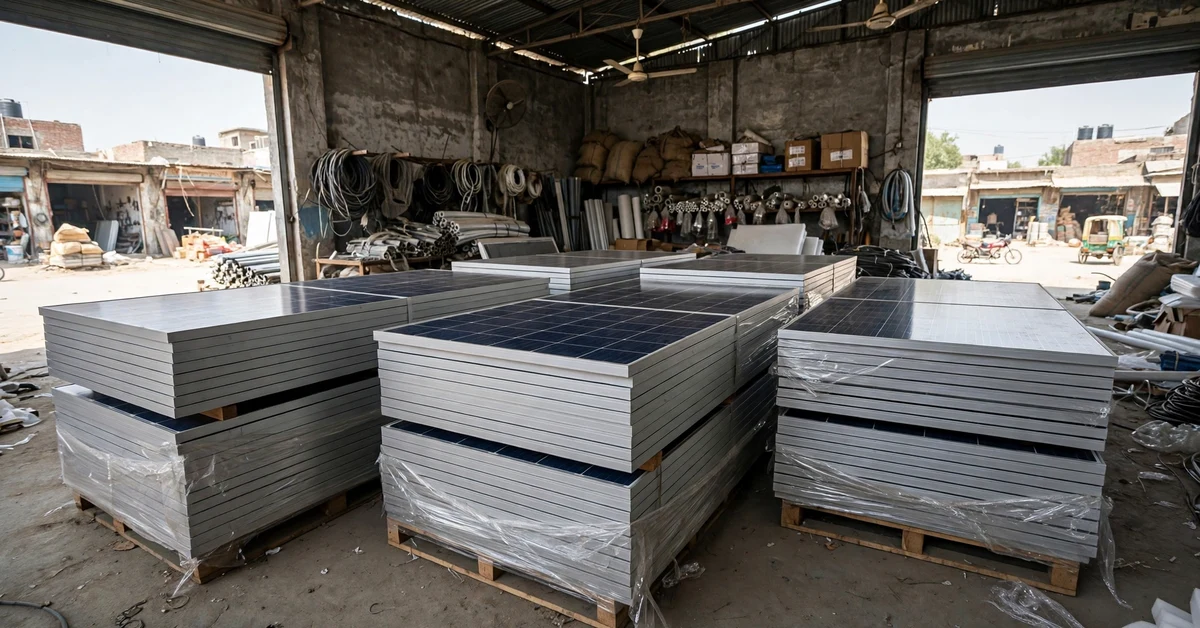
Pakistan’s rooftop solar boom has brought genuine, world-class modules to local markets — and, unfortunately, a shadow industry of fakes. From copy labels pasted on unbranded stock to relabelled B-grade panels and old inventory sold as new, counterfeit modules circulate widely through informal wholesale markets. A panel that costs a little less today can cost you lakhs in lost generation over 25 years. This guide explains how fakes enter the market, the red flags to watch for, and how to verify what you are really buying.
Solar is a long-term purchase — hardware expected to perform for two decades or more. That is why verification matters more than sticker price. If you are also shortlisting genuine modules, our comparison of the best solar panels in Pakistan for 2026 is a good starting point before you ever visit a dealer.
How Fake Panels Enter the Pakistani Market
Counterfeit panels rarely arrive labelled “fake”. The common routes are subtle, which is exactly why buyers get caught:
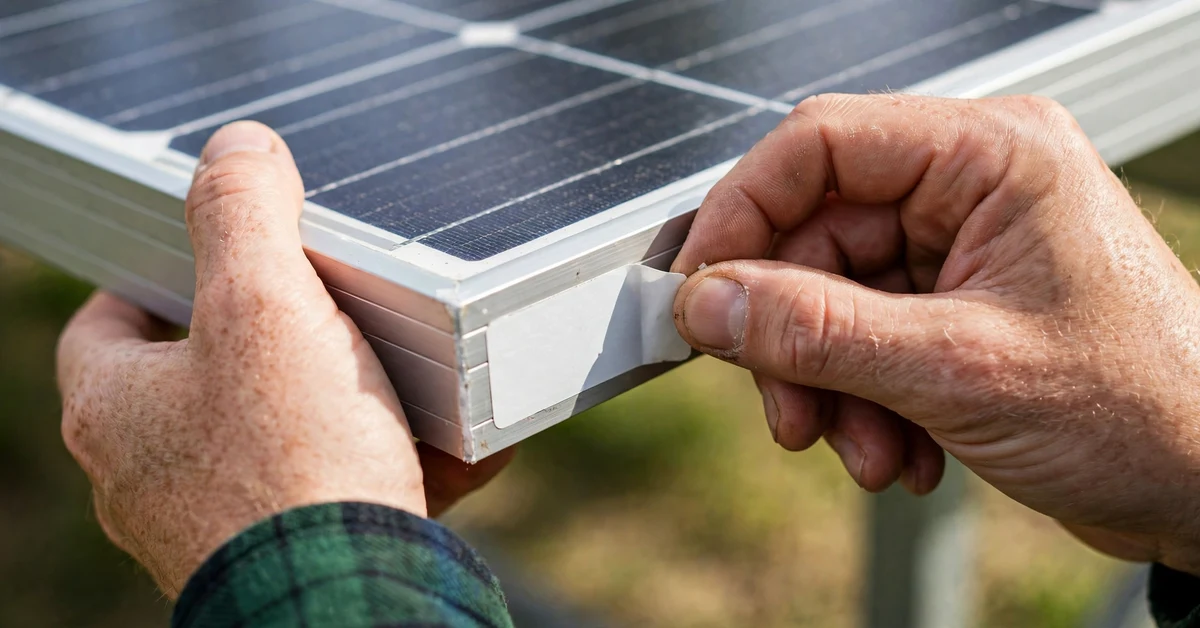
- Fake brand stickers: Unbranded or low-tier modules get premium labels pasted on — names resembling established players like LONGi, Jinko, JA Solar or Canadian Solar, sometimes with near-identical spellings designed to fool a quick glance.
- Relabelled B-grade panels: Factory seconds with cosmetic flaws or slight cell mismatch are relabelled and sold as full-price A-grade stock.
- Wattage inflation: A 550W module is labelled 585W. The label changes; the cells do not. Your system silently underproduces for years.
- Refurbished stock sold as new: Old or used panels are cleaned, re-boxed and sold as fresh stock, sometimes with backdated manufacturing dates.
- Grey imports without warranty: Genuine-looking panels arrive through unofficial channels. Even if the panel itself is decent, the manufacturer warranty may not be valid in Pakistan.
Red Flags: How to Spot a Fake
1. The price is suspiciously low
If a “top-tier” panel is quoted far below the going market rate and the seller cannot explain why, be cautious. Unexplained deep discounts are the oldest warning sign in this business.
2. The serial number is missing, duplicated or unverifiable
Every genuine module carries a unique serial registered with the manufacturer. Check several panels in the batch: duplicate serials are a dead giveaway. This single check is the highest-value ten seconds in the whole purchase.
3. The label does not match the datasheet
Compare the nameplate wattage, dimensions and weight with the manufacturer’s official datasheet for that exact model. Fuzzy printing, peeling stickers and mismatched specs are all red flags — ask the dealer for the original datasheet and check it.
4. Physical defects
Crooked or cracked cells, uneven cell alignment, soldering debris inside the module, weak frames and peeling backsheet coating all point to substandard manufacturing. Dual-glass panels are heavy — a supposedly dual-glass module that feels easy to lift is not dual glass.
5. Vague or verbal-only warranty
Genuine panels come with extensive written manufacturer warranties — typically around 12 years on the product and 25 years on performance. A verbal promise only means the “warranty” disappears the day the shop closes.
6. No paperwork, no verifiable seller
No invoice, a seller who avoids questions, or a shop with no physical office or track record. Verify the dealer’s location, ask for previous installations you can visit, and never pay a large advance to an unverified company. Busy open markets — Saddar in Karachi, Hall Road in Lahore, Raja Bazar in Rawalpindi — require extra caution.
Genuine vs Copy: Side-by-Side Comparison
| Feature | Genuine Panel | Fake / Copy Panel |
|---|---|---|
| Serial number | Unique, verifiable on the manufacturer’s own website | Duplicate, missing, or not recognised |
| Warranty | Manufacturer-backed, in writing, valid in Pakistan | Verbal dealer promise only |
| Build quality | Strong aluminium frame, uniform cells, sealed junction box | Lightweight frame, crooked or cracked cells, loose wiring |
| Wattage claim | Matches the official datasheet and flash-test output | Inflated label; actual output falls short |
| Certifications | Real IEC 61215 / IEC 61730 certification | Fake or copied certification marks |
| Long-term output | Stable generation for 25+ years | Rapid degradation, hotspots, peeling backsheet |
How to Verify a Panel Before You Pay
Step 1: Verify the serial number online
All major manufacturers run free public verification tools on their own official domains. Enter the serial number — or scan the QR code on the back label — and check the returned model, wattage and production details match the panel. Verify a sample across the whole batch, not just one panel: a common trick is one genuine panel on top of a pallet of something else.
Step 2: Ask for the flash test report
Flash testing measures a panel’s actual output under standard conditions (1000 W/m², 25°C), proving what the wattage label claims. Ask the dealer for the flash report carrying your own serial numbers — not a sample sheet. This paperwork separates relabelled panels from genuine ones.
Step 3: Do a simple electrical check
With a multimeter outdoors in good midday sun, measure the panel’s open-circuit voltage (Voc) and short-circuit current (Isc) and compare them with the nameplate values. In strong sun, readings should be close to the label. A reading substantially below rating in good conditions means the panel is not producing what its label claims. Our solar load calculator guide can help you sanity-check expected output against real numbers.
Step 4: Buy from authorised dealers
The most effective protection against fakes is buying through an authorised distributor or a dealer with a verifiable manufacturer agreement. Ask for the dealer agreement and the original purchase invoice from the manufacturer or importer, and confirm the panel is eligible for warranty claims in Pakistan. A genuine panel bought through the wrong channel can still leave you without warranty support.
Even a genuine panel can arrive damaged, so on delivery day run through this checklist: delivery-day checks for transport damage and microcracks
Why It Matters: Protecting the Whole System
Fake panels do more than underperform – they can damage the rest of your system. Poor voltage consistency, hotspot heating and bad connectors cause inverter faults, reduce charging efficiency and shorten equipment life. Pairing genuine panels with a properly sized, net- metering-approved unit from our solar inverter buying guide protects the whole investment.
Even a genuine panel needs care to deliver its 25-year promise: heat, dust and poor ventilation drive degradation far more than anything else in Pakistani conditions. Our solar panel maintenance and cleaning guide shows how to protect it. And keep your invoice, warranty documents and flash reports somewhere safe – you will need them if a warranty claim ever arises.
Frequently Asked Questions
Are cheap solar panels always fake?
Not always – some are B-grade stock or old inventory sold honestly at a discount. But if the price is far below the normal market rate with no paperwork, no warranty and no verifiable serial numbers, treat it as a red flag.
Can a fake panel damage my inverter?
Yes. Poor voltage consistency, hotspot development and bad connectors can cause inverter faults, reduce charging efficiency and even shorten inverter life. The saving on a cheap panel is rarely worth the risk to equipment that costs many times more.
Is a B-grade panel worth buying?
Only for warehouses, temporary sites or farm setups where longevity matters less. For a residential rooftop expected to serve for 25 years, A-grade panels with a proper manufacturer warranty are the safer investment. The key issue is honesty: the seller must disclose the grade.
What if my serial number does not verify?
Stop and take it up with the seller before installation. Once panels are mounted on your roof, replacement becomes expensive and frustrating – verification must happen before money changes hands.
Where are fake panels most common in Pakistan?
Busy open markets such as Saddar Karachi, Hall Road Lahore and Raja Bazar Rawalpindi, plus some informal wholesale shops, require extra caution. That does not mean every seller there is dishonest – it means you should verify serial numbers, ask for paperwork and buy from authorised dealers rather than relying on reputation alone.

One Comment