A 5kW solar system in the United States typically produces around 6,000 to 7,500 kilowatt-hours (kWh) of electricity per year. That works out to roughly 16 to 21 kWh per day on average, or about 500 to 625 kWh per month. The exact figure depends on where you live, how much sun your roof receives, the direction and angle of your panels, shading, and normal system losses.
How Much Electricity Does a 5kW System Produce Per Day?
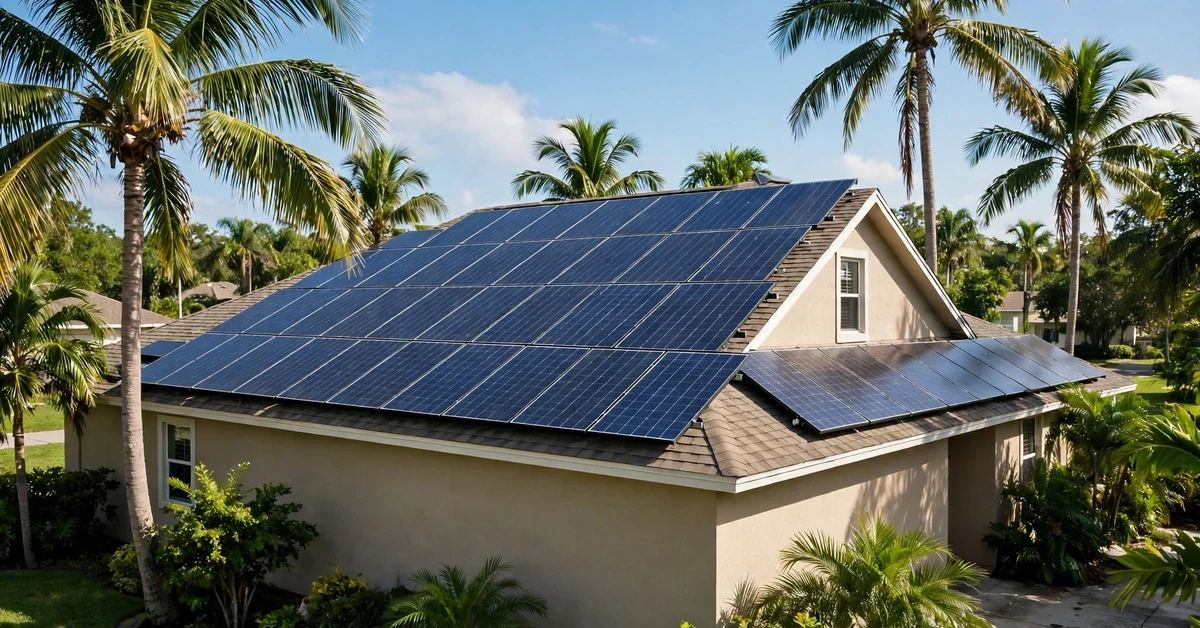
On an average day, a 5kW system in the US generates roughly 16 to 21 kWh. That is an annual average, so the daily figure changes through the year. A sunny summer day in a bright state can produce well above 25 kWh, while a short, cloudy winter day in a northern state may produce under 10 kWh.
The daily output depends mainly on peak sun hours, which is the number of hours of strong sunlight your panels receive. Most US locations get roughly 3 to 6 peak sun hours per day on average across the year. Multiply the system size by the peak sun hours and then allow for losses, and you get a rough daily estimate. For example, 5 kW multiplied by 4 peak sun hours gives 20 kWh before losses. After typical system losses of around 15 to 20 percent, the usable figure is closer to 16 to 17 kWh.
How Much Electricity Does a 5kW System Produce Per Month?
A 5kW system produces roughly 500 to 625 kWh per month on average. In summer months the figure is higher, often around 600 to 750 kWh in sunny regions, while in winter it may fall to around 350 to 500 kWh.
Monthly production matters because your electricity bill is monthly, and it is the easiest way to compare solar output with your household usage. Check your last twelve monthly bills and add up the kWh figures. If your home uses around 600 kWh in a typical month, a 5kW system may cover a large share of it in summer and a smaller share in winter.
How Much Electricity Does a 5kW System Produce Per Year?
Over a full year, a 5kW system in the US typically generates 6,000 to 7,500 kWh. This range comes from the same production pattern used in our 6kW solar system guide, where a 6kW system produces roughly 7,200 to 9,000 kWh per year, or about 1,200 to 1,500 kWh per kilowatt of capacity per year.
| Location type | Typical yearly output (5kW) |
|---|---|
| Very sunny (southwest US) | About 7,000 to 7,500 kWh |
| Average sun (most US states) | About 6,000 to 7,000 kWh |
| Less sunny (cloudy northern states) | About 5,000 to 6,000 kWh |
These are planning estimates, not guarantees. Always ask an installer for a site-specific production estimate based on your address, roof and shading.
What Affects a 5kW System’s Output?
Sunlight and location. This is the biggest factor. States with more annual sunshine produce more electricity from the same system size.
Roof direction and tilt. South-facing roofs usually produce the most over the year. East- and west-facing roofs produce less in total, but west-facing panels can be useful if your household uses more electricity in the afternoon and evening.
Shading. Trees, chimneys, neighbouring buildings and roof features can cut output sharply, especially if they shade panels during the middle of the day. Microinverters or power optimisers can reduce the effect of partial shade, but they cannot recover sunlight that never reaches the panel.
System losses. Wiring, inverter conversion, dust and normal wear typically reduce output by around 15 to 20 percent compared with the theoretical maximum. A good installer includes these losses in the production estimate.
Panel count. A 5kW system built with 400-watt panels needs about 13 panels. With 450-watt panels it needs about 11 or 12. The number of panels does not change the total output, but it affects how much roof space you need.
Worked Examples: 5kW Output in Different States
Example 1: Sunny Arizona. With about 5.5 peak sun hours on average, a 5kW system may generate around 7,500 kWh per year, or about 625 kWh per month. This can cover a large part of a typical home’s electricity use.
Example 2: Average sun in Texas or North Carolina. With about 4.5 peak sun hours, the same system may generate around 6,500 kWh per year, or about 540 kWh per month.
Example 3: Cloudy Washington. With about 3.5 peak sun hours, annual output may be around 5,500 kWh, or about 460 kWh per month.
These examples use stated assumptions and rounded figures. Your installer’s estimate should use your exact address and roof details rather than a state average.
Is a 5kW System Enough for Your Home?
It depends on how much electricity you use. A typical American home uses roughly 10,500 kWh per year, so a 5kW system producing 6,000 to 7,500 kWh may cover about half to two-thirds of annual use. A smaller home, an energy-efficient home, or a household that uses less electricity may be covered more fully.
To check, add up your last twelve months of electricity bills. Compare the total with the system’s expected annual output. If you use 8,000 kWh per year and the system is expected to produce 7,000 kWh, it may offset most of your usage, but you will still buy some electricity from the grid, especially at night and in winter. Our guide on how many solar panels you need explains the sizing steps in more detail.
How to Estimate Output for Your Own Roof
- Find your annual usage: Add up twelve months of kWh from your utility bills.
- Check your roof: Note the direction, tilt, shading and available space. A roof installation guide explains what installers check before they design a system.
- Ask for a site-specific estimate: A good installer uses satellite images, shading analysis and local weather data to estimate annual production.
- Compare the assumptions: Check the peak sun hours, shading and loss figures each installer uses, so you are comparing like with like.
Conclusion
A 5kW solar system in the US produces roughly 6,000 to 7,500 kWh per year, or about 16 to 21 kWh per day and 500 to 625 kWh per month. Use your actual annual electricity use and a site-specific installer estimate to decide whether 5kW is the right size for your home.
Frequently Asked Questions
1. How much electricity does a 5kW solar system produce per day in the US?
On average, around 16 to 21 kWh per day. Summer days produce more and winter days produce less, depending on sunlight and location.
2. How much electricity does a 5kW solar system produce per month?
Roughly 500 to 625 kWh per month on average, with higher output in summer and lower output in winter.
3. How many solar panels are in a 5kW system?
About 13 panels if you use 400-watt panels, or about 11 to 12 panels with 450-watt panels.
4. Can a 5kW solar system power a whole house?
It can cover a large part of a typical home’s use, roughly half to two-thirds of the average annual consumption of about 10,500 kWh, but most homes will still buy some electricity from the grid.
5. Does a 5kW system produce electricity on cloudy days?
Yes, but less. Panels generate electricity from daylight, not only direct sunshine, so output falls on cloudy days rather than stopping completely.
Source: SEIA — Solar Energy Industries Association