

Secondary fuels move while petrol and diesel stay put
The government has increased the prices of jet fuel, light diesel oil (LDO) and kerosene oil, with the revised rates taking effect from 25 October 2026. Jet fuel is up by Rs 4.96 per litre to Rs 357.37, light diesel oil is up by Rs 7.78 to Rs 275.24, and kerosene oil is up by Rs 4.21 to Rs 330.96. The two fuels most households watch — petrol and high-speed diesel — are unchanged in this round: petrol stays at Rs 377.71 per litre and diesel at Rs 393.66 per litre for the current 24–26 October window.
The increases come as the government has also revised the prices of major petroleum products for the latest pricing period, and they land in a month that has already broken the old fortnightly rhythm. October 2026 has brought unusually short revision cycles, so the price you paid last week is no guarantee of the price next week.
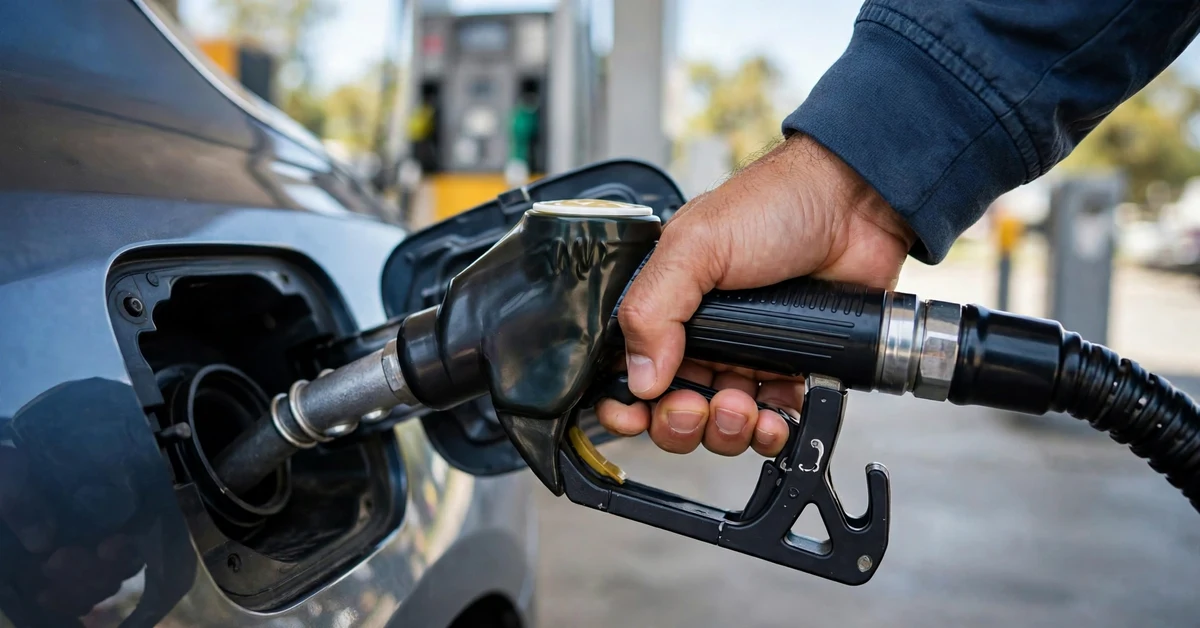
The new rates at a glance
| Fuel | Previous price (Rs/litre) | New price (Rs/litre) | Change |
|---|---|---|---|
| Jet fuel | 352.41 | 357.37 | +4.96 |
| Light diesel oil (LDO) | 267.46 | 275.24 | +7.78 |
| Kerosene oil | 326.75 | 330.96 | +4.21 |
| Petrol (MS) | 377.71 | 377.71 | Unchanged |
| High-speed diesel (HSD) | 391.75 | 393.66 | +1.91 (24 Oct revision) |
Petrol and diesel were last revised on 24 October, when diesel rose by Rs 1.91 to Rs 393.66 and petrol was held at Rs 377.71. That revision was for the three-day window of 24–26 October, so the next petrol and diesel notification is due after 26 October. The secondary-fuel increases effective 25 October sit alongside that window rather than replacing it.
Why prices moved
OGRA has attributed the recent revisions to global developments, including changes in Platts rates, premiums and incidentals — the standard drivers of Pakistan’s import-parity pricing. Brent crude has been volatile on Middle East supply concerns, and that volatility now feeds into domestic prices much faster than it used to.
The mechanism itself has changed. Under a framework approved by the federal cabinet, OGRA now publishes updated fuel prices on a rolling seven-day average of international petroleum prices, replacing the old fortnightly system. The weekly review system had itself replaced fortnightly pricing after the outbreak of the Israel-Iran conflict in February and the disruption to energy shipments through the Strait of Hormuz. The practical result for consumers is the same: check the latest notification before you plan a fill-up, because a price quoted last week may already be out of date.
The per-litre build-up shows why pump prices feel so sticky even when crude dips. For the current cycle, the components reported for petrol and diesel include a petroleum levy of Rs 80, a climate support levy of Rs 5, a dealer margin of Rs 9.98, an OMC margin of Rs 7.87, and freight equalisation (IFEM) of Rs 7.89 for petrol and Rs 4.71 for diesel, all sitting on top of the underlying import or refinery price.
Who pays more
Kerosene users. Kerosene is the cooking and heating fuel of households beyond the gas network, and of small workshops. A Rs 4.21 rise to Rs 330.96 per litre lands directly on weekly household budgets, with no cheaper substitute waiting at the same shop.
Small generator and burner operators. Light diesel oil fuels small industrial burners, agricultural engines and some generators. At Rs 275.24 per litre, up Rs 7.78, every extra hour of generator runtime now costs visibly more — which is one more reason to shift daytime load onto solar wherever possible.
Air travellers and cargo. Jet fuel at Rs 357.37 per litre raises airline operating costs. Airlines do not reprice tickets overnight, but sustained jet fuel increases eventually show up in fares and freight charges.
Everyone else, indirectly. Fuel prices feed into transport fares and the prices of transported goods. The government kept petrol unchanged this round, which limits the immediate damage, but the diesel increase of Rs 1.91 from 24 October is already working through goods transport, and the secondary-fuel hikes add to the same pressure.
What this means for solar households
Every fuel increase sharpens the same calculation: a unit you generate yourself is a unit you do not buy at a rising price. Households and farms that run diesel or LDO equipment for irrigation or backup power are the most exposed, and they are also the ones with the most to gain from solar. Punjab’s solarisation of tube wells programme exists precisely because diesel irrigation has become so expensive, offering farmers a subsidised route off diesel altogether.
The wider picture is that fuel and electricity costs are rising together. Pakistan’s circular debt has reached Rs 1,675 billion, and grid tariffs carry fuel adjustments month after month. If you are planning a system, start from current October 2026 panel prices and size it for your daytime load, when solar output is free. For the full history of this month’s fuel revisions, see our 24 October petrol and diesel update and our 22 October fuel update.
Tips to soften the impact
Run generators only for essential loads, and shift washing, pumping and charging into daylight hours if you have solar. Keep generator filters and injectors serviced — a poorly maintained engine burns more fuel for the same output. For kerosene users, buy from licensed dealers and store fuel safely away from stoves and open flames. And before any long trip or bulk purchase, check the latest OGRA notification: with short revision cycles, yesterday’s price is not today’s.
Frequently asked questions
What are the new kerosene, LDO and jet fuel prices?
From 25 October 2026: kerosene Rs 330.96 per litre (up Rs 4.21), light diesel oil Rs 275.24 (up Rs 7.78) and jet fuel Rs 357.37 (up Rs 4.96).
Have petrol and diesel prices changed?
No. Petrol remains Rs 377.71 per litre and high-speed diesel Rs 393.66 per litre for the 24–26 October window, as notified on 24 October.
Why are fuel prices changing so often now?
Pakistan has moved from fortnightly revisions to short cycles based on a rolling seven-day average of international prices, so global oil movements reach the pump much faster.
When is the next petrol and diesel revision?
The current petrol and diesel window runs to 26 October 2026, so the next notification is due after that date. Watch for the official OGRA/Petroleum Division announcement.
Does the kerosene hike affect solar users?
Only indirectly. But households using kerosene or LDO-fuelled generators face rising running costs, which strengthens the case for shifting daytime loads to solar.
Sources: Bloom Pakistan, “Pakistan Hikes Jet Fuel, Kerosene and Light Diesel Prices”, 24 October 2026; Petroleum Division / OGRA notifications for the 24–26 October petrol and diesel window.
Source: OGRA — Oil and Gas Regulatory Authority, Pakistan


2 Comments