If you are choosing between an IP65 and an IP21 solar inverter in Pakistan, the short answer is this: IP21 inverters are made for clean, dry, indoor rooms, while IP65 inverters are built to handle dust and water jets, which makes them suitable for sheltered outdoor or semi-outdoor spots such as a covered wall, porch, or utility area. Neither rating means you should leave the inverter in direct sun or open rain. Follow the installation manual of your specific model, because the manufacturer’s instructions decide what is allowed and what may affect your warranty.
This guide explains what the two ratings actually mean, how Pakistani weather affects each type, and how to pick and prepare the right location for your system.
What an IP Rating Means
IP stands for Ingress Protection. The code is defined by the international standard IEC 60529 and has two digits. Each digit describes a different kind of protection.
First Digit: Solid Objects and Dust
The first number runs from 0 to 6. A 2 means the enclosure stops objects about the size of a finger from reaching dangerous parts. It does not stop fine dust. A 6 means the enclosure is dust-tight, so fine particles should not get inside under the test conditions.
Second Digit: Water
The second number covers water. A 1 means protection against vertically dripping water only, such as a few drops falling straight down. A 5 means protection against low-pressure water jets from any direction during testing.
IP65 vs IP21: Side-by-Side Comparison
The cooling row matters more than many buyers expect. Vented IP21 units pull room air through the casing, so they depend on a clean environment. Sealed IP65 units keep dust out but rely on their outer body to shed heat, so shade and airflow around the casing become critical.
How Pakistani Conditions Affect Your Choice
Pakistan’s climate varies widely, from dusty, very hot summers in Punjab and Sindh to humid coastal air in Karachi and heavy monsoon spells in many cities. Each of these stresses an inverter differently.
Heat and Direct Sun
Sunlight on the casing raises internal temperature, which can trigger power derating or shorten component life. Shade matters for both ratings.
Dust and Storms
Fine dust can clog vents and fans on IP21 units. Dust-tight IP65 enclosures handle dusty areas better, though external fins still need cleaning.
Humidity and Corrosion
Coastal, salty air and condensation can corrode terminals and boards. Choose dry, ventilated spots and inspect connections regularly.
Monsoon Rain
Wind-driven rain reaches places normal rain does not. Even IP65 units should sit under a proper roof or canopy unless the manual says otherwise.
Where to Install an IP21 Inverter
An IP21 inverter belongs indoors, in a room that stays dry and reasonably clean. Good options in a typical Pakistani home include a ventilated store room, a corner of a hallway, or a dedicated utility room near the distribution board.
- Mount it on a solid, non-flammable wall, away from kitchens, bathrooms, and washing areas where steam and splashes occur.
- Keep it out of closed cupboards or tight niches that trap heat.
- Avoid rooms under a leaking roof or near water tanks and pipes.
- Keep it away from areas where children play, and away from stored fuel, paint, or gas cylinders.
- In dusty areas, clean the vents and check the fans as recommended in the manual.
Many popular hybrid models sold locally are IP21 or similar indoor ratings. If you are comparing these units, our guide to the best hybrid solar inverter prices in Pakistan can help you shortlist models before checking their IP rating and location requirements.
Where to Install an IP65 Inverter
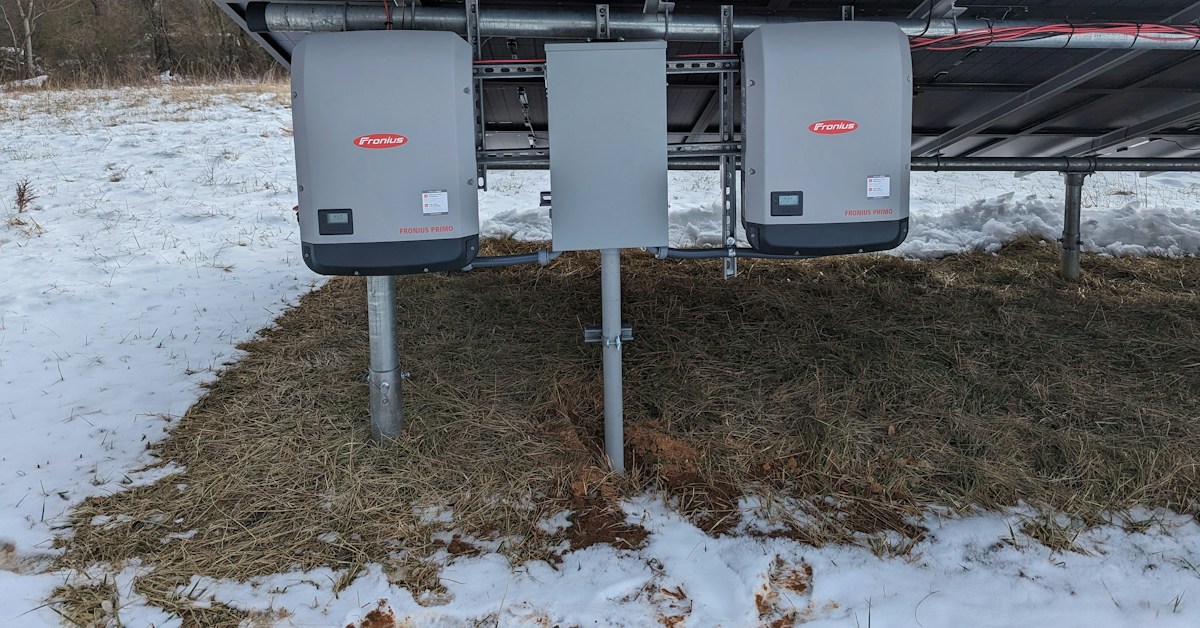
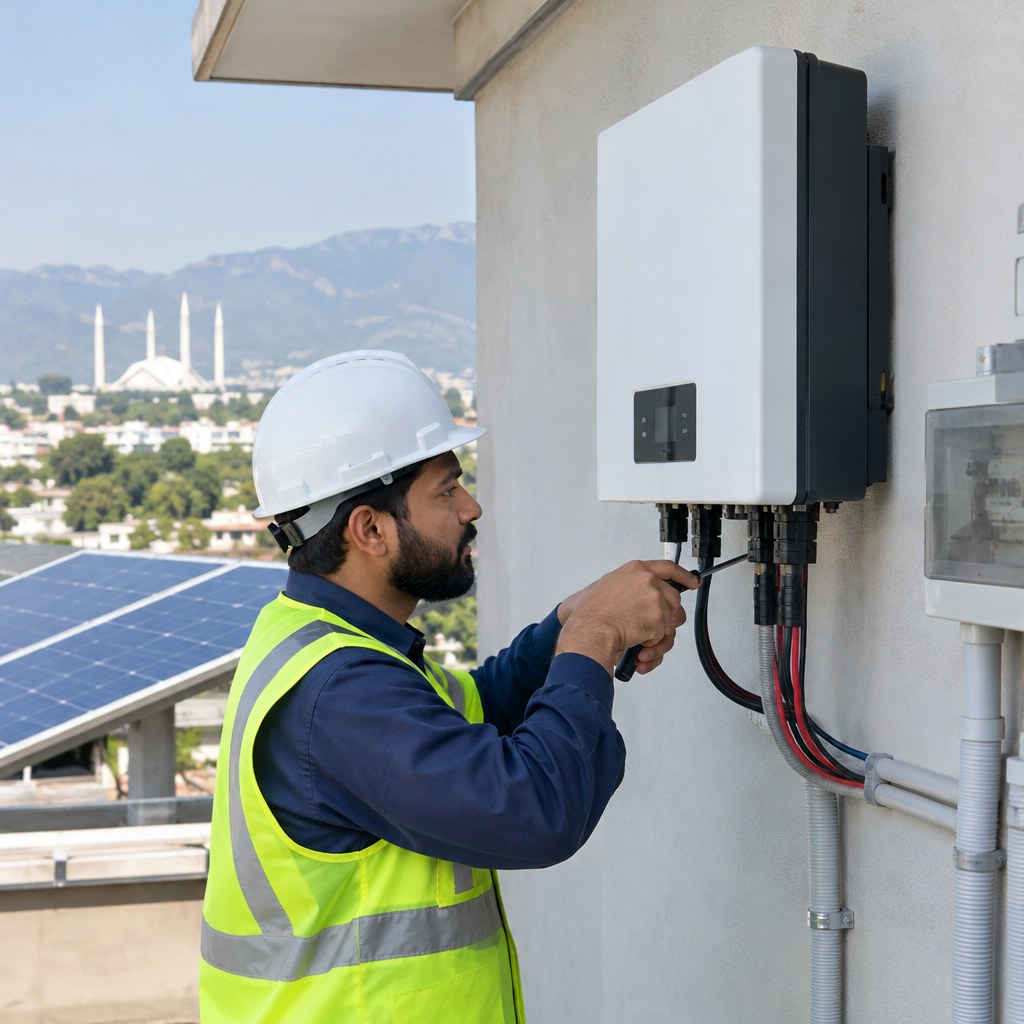
An IP65 inverter gives you more flexibility. It can work indoors in dusty spaces and can often go on an exterior wall, provided the spot is shaded and sheltered. Common choices include a north-facing wall, a covered porch, a garage wall, or under a roof overhang on the rooftop near the panels.
- Choose a spot that stays shaded for most of the day, especially in summer afternoons.
- Add a canopy or roof cover if the wall is exposed, while keeping air free to circulate.
- Mount the unit vertically or as the manual specifies, with cable entries facing downward if required.
- Use all supplied seals, glands, and connector caps, because an open cable entry defeats the IP65 rating.
- Keep it off the floor and away from spots where rainwater collects or splashes.
Airflow, Clearance, and Heat Management
Every manufacturer specifies minimum clearances above, below, and on the sides of the inverter. These numbers differ between models, so always use the figures printed in your manual rather than a general rule. Clearance lets hot air escape and gives technicians room for safe servicing.
Avoid stacking batteries, boxes, or furniture against the unit. If you are installing an inverter alongside a lithium battery or charge controller, make sure each device has its own required spacing. In very hot rooms, improving ventilation with an exhaust opening or a window can make a noticeable difference to how often the inverter derates.
Correct sizing also affects heat. An inverter that runs near its limit for long periods tends to run hotter. Before buying, use our solar inverter size calculator for Pakistan to estimate how many kW your home actually needs.
Safety and Warranty Considerations
Water and electricity are a dangerous combination, and solar systems carry both AC and high-voltage DC. Moisture inside an enclosure can cause short circuits, tripping, or fire risk. Installation should be done by a qualified electrician using proper earthing, correctly rated breakers, and DC isolators.
Warranty terms usually require installation according to the manual. Damage from water ingress, overheating, insects, or improper mounting may not be covered. Read the warranty document, keep your purchase invoice, and photograph the installation once it is complete so you have a record of how the unit was mounted.
Installation Checklist
- ✅ Confirm the IP rating and permitted installation environment in the manual.
- ✅ Choose a shaded location with no direct sun on the casing.
- ✅ Ensure no rain, splashing, or roof leaks can reach the unit.
- ✅ Maintain the manufacturer’s clearance on all sides.
- ✅ Mount on a solid, non-flammable wall at a reachable height.
- ✅ Seal all unused cable entries and use proper glands.
- ✅ Install correct earthing, breakers, and DC isolation.
- ✅ Keep away from children, fuel, gas, and wet areas.
- ✅ Plan regular cleaning and connection checks.
Frequently Asked Questions
Can I install an IP21 inverter outdoors under a shade?
It is generally not advisable. Even under shade, outdoor air brings dust, humidity, insects, and wind-driven rain that an IP21 enclosure is not designed to resist. Keep IP21 units in a dry indoor room.
Is IP65 completely waterproof?
No. IP65 protects against low-pressure water jets in testing. It is not rated for immersion, and long-term rain exposure may still cause problems. Sheltered placement is the safer choice.
Is an IP65 inverter always better than IP21?
Not always. For a clean indoor room, an IP21 unit can perform well. IP65 is more useful when the location is dusty, humid, or semi-outdoor. Features, sizing, and after-sales support also matter.
Can I build a box around an IP21 inverter to protect it?
A closed box can trap heat and block airflow, causing overheating. Only use an enclosure if the manufacturer approves it and it provides the required ventilation and clearance.
How often should I clean my inverter?
Follow your manual. In dusty cities, checking vents, fins, and fans every few months is a practical habit. Always switch off and isolate the system before cleaning, or ask a technician.
Summary
IP21 inverters suit dry, clean indoor rooms, while IP65 inverters handle dust and water jets and can work in shaded, sheltered outdoor locations. In both cases, avoid direct sun and rain, respect clearance requirements, and follow the manufacturer’s manual to protect your safety and warranty. Size your system correctly, then compare models that match your planned location.
Ready to Pick the Right Inverter?
Compare current hybrid inverter options in Pakistan and check which ratings fit your home.
Compare Hybrid InvertersFor a full breakdown of what each type costs this year, see our complete guide to solar inverter prices in Pakistan before you request a quote.