
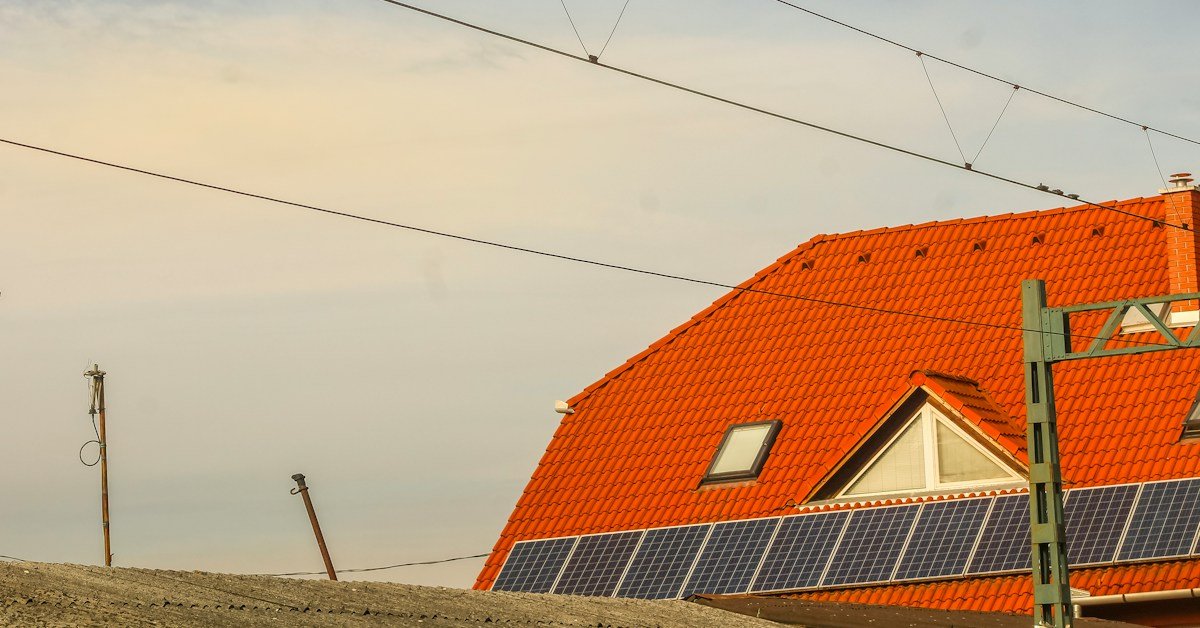
The number of solar panels you need depends on your electricity consumption, target solar generation, panel wattage, available roof area, orientation, shading and system losses. House size alone cannot determine the correct number.
Start With Your Electricity Usage

Before choosing a panel count, compare suitable modules in our solar panels for home guide, and check space and installation considerations in our rooftop solar guide.
Once you have that usage figure, our complete load calculator guide turns it into a panel count step by step.
If backup during outages is part of the plan, storage needs the same care, so check the right solar battery size for your home as well.
Review recent electricity bills and calculate average daily energy use in kilowatt-hours (kWh). Seasonal variation matters, especially where air-conditioning creates much higher summer consumption.
Solar Panel Count Formula
A basic starting point is: required array watts ÷ panel watts = approximate panel count. The required array itself should be estimated from energy demand and site-specific solar production rather than guessed from appliance count.
Example With 585W Panels
If a professional design determines that a 5.85kW DC array is suitable, dividing 5,850W by 585W gives 10 panels. This is a mathematical example, not a recommendation that every home needs 5.85kW.
Why Monthly Units Matter More Than House Size
Two houses of identical size can have very different electricity demand. One may use multiple air conditioners and electric appliances while another has a much smaller load. Energy consumption is therefore a better sizing input than square footage.
Roof Space and Panel Dimensions
Check the exact module dimensions and leave space required for mounting, access, setbacks and safe maintenance. Ten high-wattage modules may not fit every roof even when the electrical calculation works.
Should You Size Solar for Your Full Bill?
Not automatically. Daytime consumption, export compensation, budget, battery plans and local grid rules can change the economically appropriate system size. Compare self-consumption and export assumptions before finalizing capacity.
Common Sizing Mistakes
- Sizing only from number of bedrooms.
- Using one month of electricity data.
- Ignoring shade and orientation.
- Assuming every panel with the same wattage has the same dimensions.
- Ignoring inverter MPPT voltage and current limits.
FAQs
How many 585W panels make 5kW?
Nine 585W panels equal 5.265kW DC nameplate capacity. The correct panel count must also fit the inverter’s electrical limits.
How many panels make 10kW?
It depends on panel wattage. Divide the target DC array wattage by the selected module’s rated watts and then validate string design.
Should I buy extra panels for winter?
Seasonal production should be considered in annual energy modelling, but arbitrary oversizing can create clipping, export or equipment-limit issues.
Use 12 Months of Bills When Possible
A single electricity bill can be misleading because household consumption often changes sharply by season. Summer air-conditioning, winter heating, family travel and changes in occupancy can all affect monthly units. Using up to 12 months of bills gives a better picture of annual consumption and helps prevent a system from being sized around an unusually high or low month.
Panel Wattage Changes the Number of Modules
Higher-wattage modules reduce the number of physical panels needed for the same approximate DC capacity, but wattage is not the only consideration. A higher-wattage module may also be physically larger. Compare watts, dimensions, efficiency, current, voltage and roof layout together. A roof that fits twelve smaller modules may not necessarily fit the same number of larger-format panels.
On-Grid and Hybrid Systems Can Need Different Planning
An on-grid system is usually designed around daytime production, consumption and grid interaction. A hybrid system adds battery charging, backup loads and battery power limits to the design. The solar-panel count can therefore be influenced by the desired charging window and how much daytime energy must be available for both household loads and storage.
How Shade Changes the Calculation
If part of the roof is shaded for significant periods, simply adding more modules may not solve the problem. Shade analysis, string layout and MPPT allocation should be reviewed. Moving a smaller array to a better-exposed roof section can sometimes make more sense than placing additional panels in a poor location.
A Practical Sizing Checklist
- Collect recent monthly kWh consumption.
- Estimate daytime versus nighttime usage.
- Measure usable roof area and identify shading.
- Select a specific module wattage and dimensions.
- Check inverter MPPT voltage and current limits.
- Consider battery charging requirements for hybrid systems.
- Model expected annual production rather than relying on nameplate kW alone.
Why Professional String Design Still Matters
Even when the total wattage calculation looks simple, the modules must be arranged into electrically valid strings. Too many modules in series can exceed maximum DC voltage in cold conditions, while too few may fall below the useful MPPT range in hot conditions. Current limits also matter when strings are paralleled.
Allow for Real-World System Losses
Nameplate panel capacity is not the same as delivered household energy. Cable losses, inverter conversion, temperature, dust, orientation and occasional grid limitations can reduce real output. A sizing estimate should therefore use realistic annual production assumptions instead of multiplying panel watts by sunshine hours without adjustment.
Future Electricity Demand
If you expect to add an electric vehicle, another air conditioner, an electric water heater or a larger family load, discuss that future demand before finalizing the array. Oversizing blindly is not ideal, but designing with a known future load can avoid expensive changes later. Roof layout, inverter capacity and spare MPPT capability should be reviewed together.
Conclusion: Use electricity consumption, site conditions and exact equipment specifications to calculate panel count—not a fixed panels-per-house rule. A useful design connects energy demand, roof layout and inverter limits into one calculation.
Source: NEPRA — National Electric Power Regulatory Authority



2 Comments