
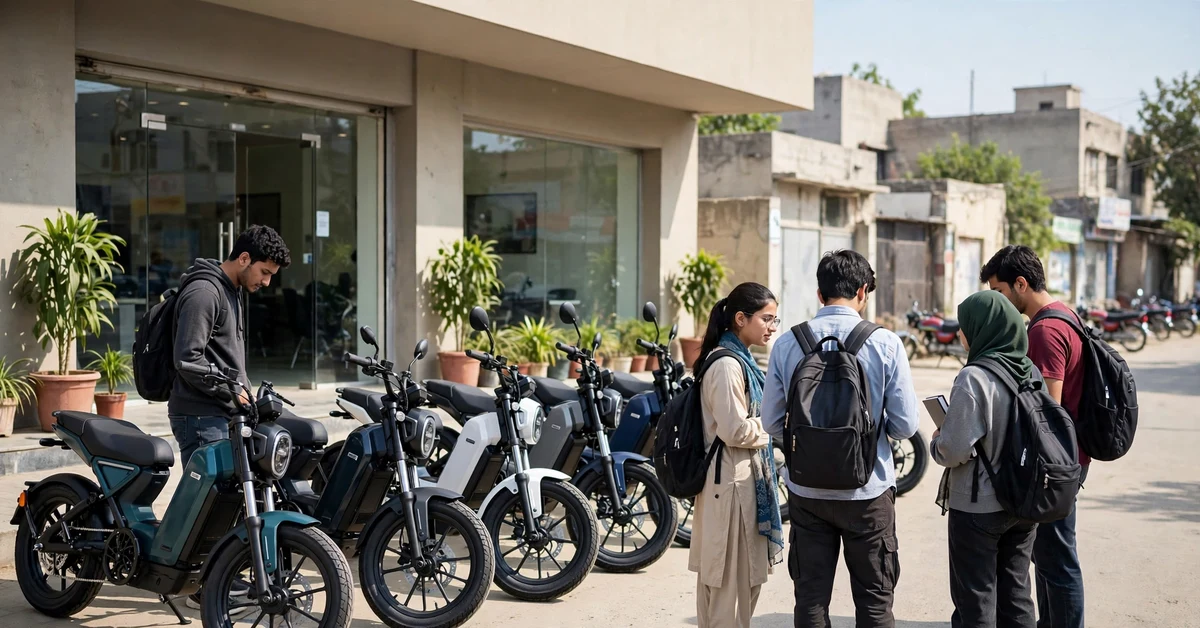
The Punjab government’s flagship transport initiative for students has entered its biggest phase yet. Chief Minister Maryam Nawaz approved Phase II of the CM Punjab E-Bike Scheme in September 2026, expanding the programme to more than 125,000 electric bikes for students across the province. The move makes it one of the largest student mobility programmes in Pakistan’s history — and the public response has been nothing short of extraordinary.
According to official figures, more than 432,000 applications were submitted within days of the online portal opening, a clear sign of how eagerly students have embraced electric mobility. Applications for the September phase opened on September 4, 2026 at bikes.punjab.gov.pk and closed on October 4, 2026. If you are reading this now, that deadline has already passed: the scheme is currently at the balloting and selection stage, and successful applicants are expected to be notified through the official portal.
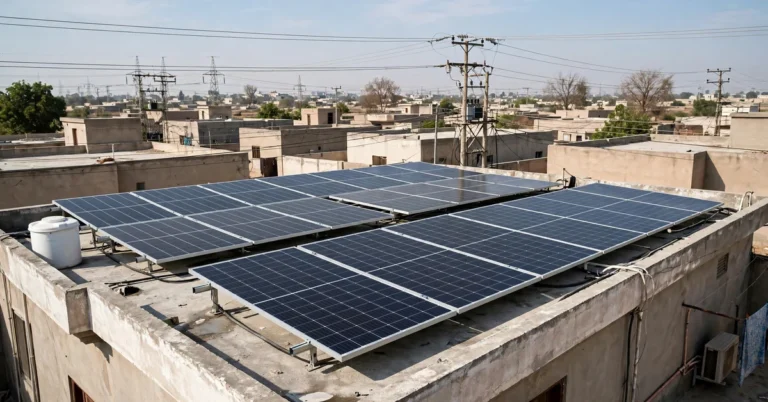
For students, the scheme is about far more than a subsidised ride. With fuel prices continuing to squeeze household budgets, an electric bike that costs only a few hundred rupees a month in charging is a genuine lifeline for daily commuting to college and university. Many families are now comparing running costs across the board — from petrol bikes to home electricity — and students curious about cutting household energy bills often start by checking solar panel prices in Pakistan to see how rooftop generation compares.
What Is the CM Punjab E-Bike Scheme?
The CM Punjab E-Bike Scheme is a provincial programme launched by Chief Minister Maryam Nawaz to provide students with affordable, eco-friendly transport. Following an initial pilot phase, Phase II was formally approved in September 2026 with a dramatically expanded target of over 125,000 electric bikes. The confirmed figure comes from reporting by ARY News, Business Recorder and The Nation; some earlier reports had cited 100,000 bikes before the final approval was announced.
The logic behind the scheme is simple. Students in Punjab’s cities spend a significant share of their pocket money on fares and fuel just to reach their campuses. By putting students on electric two-wheelers with a heavy government subsidy and zero-interest financing, the province aims to cut commuting costs, reduce urban air pollution and give young people reliable transport for their studies and part-time work.
Complete Cost, Subsidy and Instalment Breakdown
The financing structure is the most attractive part of the scheme. Here is exactly how the numbers work:
| Item | Amount |
|---|---|
| Total price of the electric bike | Rs 199,000 |
| Punjab government subsidy | Rs 90,000 |
| Amount payable by the student | Rs 109,000 |
| Monthly instalment | Rs 3,028 |
| Repayment period | 36 months (3 years) |
| Markup / interest | 0% (paid by the government) |
| Down payment | None (removed in Phase II) |
| Insurance, registration and token tax | Paid by the government |
In plain terms: the student pays Rs 109,000 of the Rs 199,000 price, spread over three years at Rs 3,028 per month, with no interest and no upfront down payment. The Punjab government covers the Rs 90,000 subsidy, the entire markup charged by the financing bank, and even the insurance, registration and token tax — costs that would normally add thousands more to the price of a new bike.
What’s Included Free With Every Bike
Beyond the financing, each bike comes as a complete package. Every successful applicant receives a free helmet and a safety rod, along with free two-day riding training — a sensible addition, since many student riders will be getting on a two-wheeler for the first time.
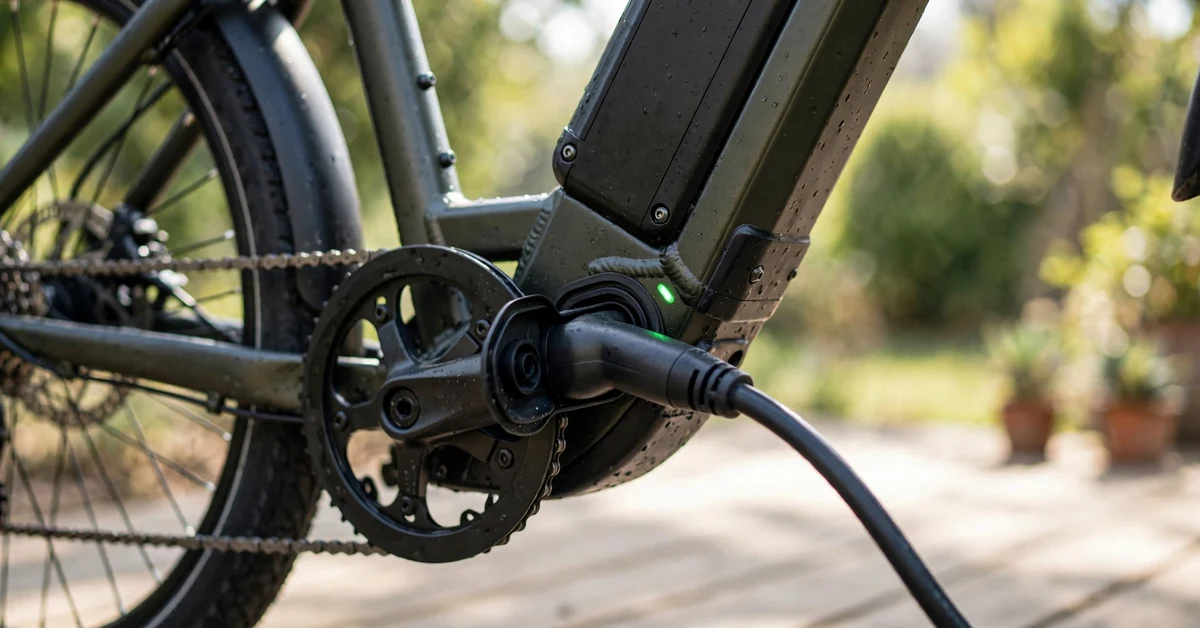
On the technical side, each bike is fitted with a lithium iron phosphate (LiFePO4) battery, a chemistry prized for its long cycle life and thermal stability. It is the same battery chemistry many Pakistani households now choose for home backup systems, so anyone interested in the technology can compare current lithium battery prices to appreciate how much value is packed into the bike. The bikes are colour-coded by the programme: black bikes for male students and pink bikes for female students.
Eligibility and Required Documents
Eligibility for the September phase was straightforward. Applicants had to be students enrolled at HEC-recognised institutions in Punjab — a pool covering more than 33,000 public and private institutions across the province. Applicants needed a valid CNIC or B-Form, proof of enrolment such as a student card or admission letter, and in most cases a guarantor to back the financing arrangement with the Bank of Punjab.
Because the financing is handled through a bank, documentation quality matters enormously — which brings us to one of the most important sections of this guide.
Students may also benefit from the CM Punjab Laptop Scheme 2026.
How the Application and E-Ballot Process Works
Applications were submitted entirely online through the official portal at bikes.punjab.gov.pk, which was developed by the Punjab Information Technology Board (PITB). After the October 4, 2026 deadline, the process moved to verification and selection. Where applications exceed the available quota — as they clearly do, with over 432,000 applications chasing 125,000 bikes — selection is carried out through a transparent computerized e-ballot, also managed by PITB.
Financing for successful applicants is arranged through the Bank of Punjab, while the Punjab Transport Department oversees delivery of the bikes. Once an applicant is approved, delivery is expected within about six weeks. The current status is therefore: applications closed, balloting and selection underway, and no new applications being accepted until the next phase is announced.
Expansion Beyond Students: What’s Coming Next
The government has already signalled that the e-bike programme will grow well beyond its student roots. Officials have announced that upcoming phases will extend the scheme to government employees, government departments and delivery riders — a recognition that affordable electric two-wheelers make sense for commuters and gig-economy workers too. For now, though, the focus remains on completing the student balloting fairly and getting bikes into the hands of successful applicants.
Also explore free plots under Apni Chhat Apna Ghar.
Common Rejection Reasons to Avoid
With competition this intense, small mistakes can cost you a bike. The most common reasons applications run into trouble are: blurry or illegible uploaded documents that fail verification; guarantor credit issues, since the Bank of Punjab checks the guarantor’s creditworthiness before approving financing; entering the wrong institution, or one that is not HEC-recognised; and — most dangerously — applying through unofficial websites or agents instead of the official portal, which can lead to outright fraud. When the next phase opens, double-check every upload for clarity and apply only at bikes.punjab.gov.pk.
Frequently Asked Questions
Is the CM Punjab E-Bike Scheme still accepting applications?
No. The September 2026 phase opened on September 4 and closed on October 4, 2026. The scheme is now at the balloting and selection stage.
What is the monthly instalment?
Rs 3,028 per month for 36 months, with zero markup.
Is there a down payment?
No. The down payment requirement was removed in Phase II.
What does the government pay for?
A Rs 90,000 subsidy per bike, the full bank markup, plus insurance, registration and token tax.
When will successful applicants get their bikes?
Delivery is expected within about six weeks of approval.
Where can I get help?
The official helpline is 042-111-333-267.
The CM Punjab E-Bike Scheme 2026 is a genuinely generous offer: a Rs 199,000 electric bike for Rs 3,028 a month, with no interest and no down payment. If you missed the September window, do not lose heart — with expansion to employees, departments and delivery riders already announced, more phases are on the way. Keep watching bikes.punjab.gov.pk for the next announcement, and keep your documents ready. And if you are a student working out what the Rs 3,028 monthly instalment means for the family budget, our solar system calculator can help your household estimate energy costs too — many families are now pairing an e-bike with plans to charge it as cheaply as possible at home.
Source: Government of Pakistan — Government of Pakistan

3 Comments