Understanding Solar Inverter Fan Noise
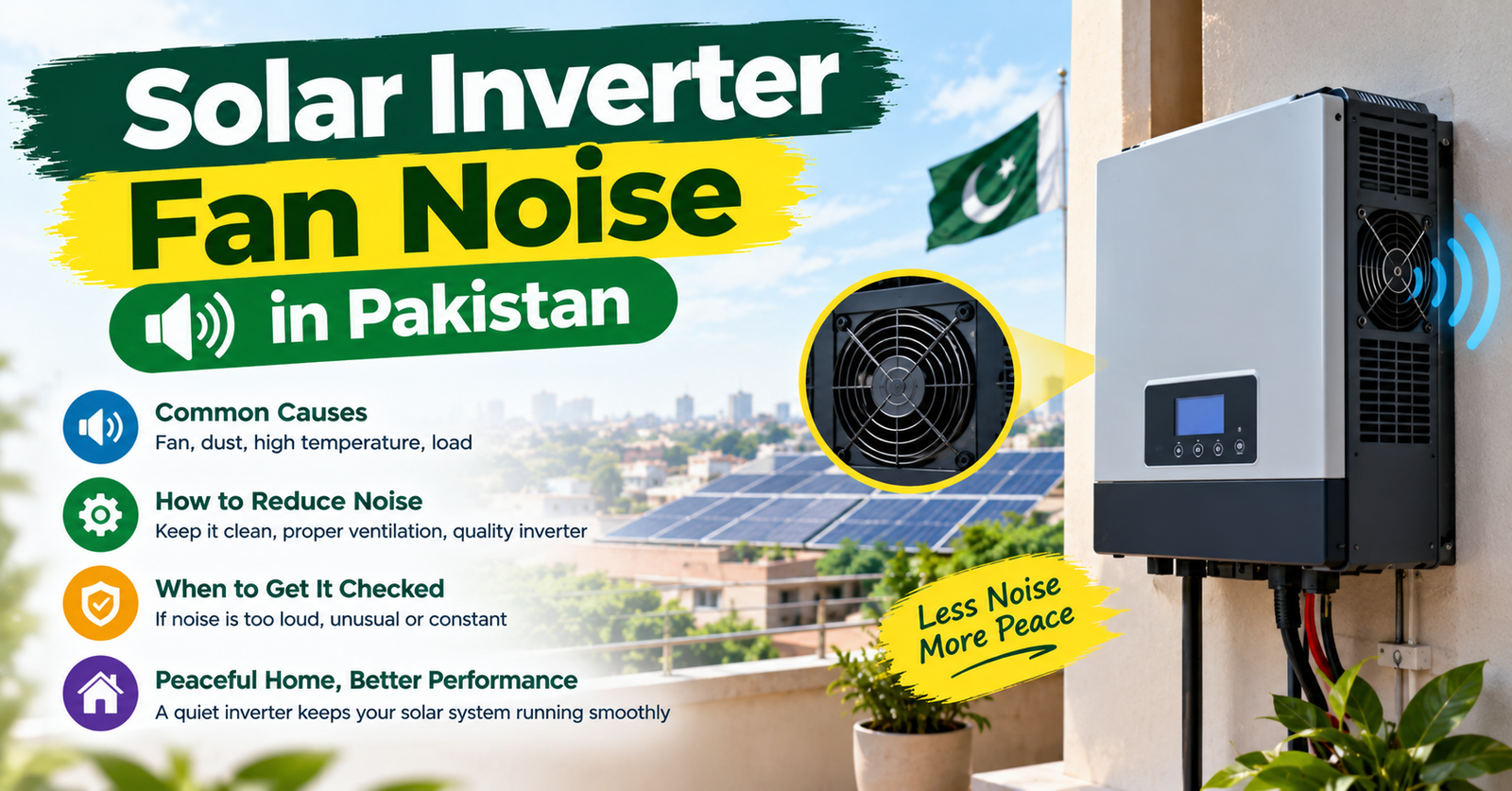
For many homeowners and business owners in Pakistan, the solar inverter is the silent engine room of their energy system. However, when the silence is broken by a buzzing, whirring, or clicking sound, it is natural to feel concerned. The good news is that in most cases, solar inverter fan noise is a standard part of the cooling process. Modern solar inverters are high-performance power electronics that generate significant heat during conversion. To prevent component degradation and ensure efficiency, manufacturers integrate cooling fans that activate based on internal temperature sensors and power load requirements.
If you are exploring the solar inverter size calculator for Pakistan, you likely understand that your system’s power output directly correlates to heat generation. On a hot summer afternoon in Lahore or Karachi, when your solar array is operating at peak capacity to power air conditioners and appliances, the fans will inevitably spin faster and louder. This is not a malfunction but a design feature intended to protect your investment.
Normal vs. Abnormal Fan Behavior
To determine whether your inverter’s noise is normal, you must observe the behavior of the device over a 24-hour cycle. Understanding the best hybrid solar inverter options available in Pakistan often helps, as higher-quality units typically feature intelligent thermal management systems that modulate fan speeds incrementally.
What Normal Sounds Like
- Gradual Acceleration: A low-pitched, consistent hum that grows louder as the sun reaches its peak and the inverter load increases.
- Intermittent Cycling: Fans turning on and off depending on the load, especially when clouds pass over or when power demand from the house fluctuates.
- Audible Airflow: You should hear the sound of air being pushed through the vents. This indicates the fan is functioning as intended to move heat away from the heat sink.
What Warning Signs Look Like
If the noise sounds mechanical rather than aerodynamic, it is time for a professional assessment. Listen for these specific indicators:
- Grinding or Scraping: This often suggests that the fan bearings are worn out or that debris has entered the fan housing.
- Rattling: A loose fan or a vibration caused by a mounting screw that has come undone due to temperature-related thermal expansion.
- High-Pitched Whining: While this can sometimes be electronic “coil whine” (which is common in power electronics), if it changes pitch drastically, it may indicate a motor failure.
- Unexpected sustained noise: Record the operating load, charging status and error messages. Overnight operation can be normal for a hybrid system; a change from its usual behaviour merits review.
The Role of Environment and Installation
Environmental factors in Pakistan play a significant role in how often your fan runs. Dust, humidity, and high ambient temperatures are the primary enemies of solar equipment. If the intake vents are clogged with dust, the fans must work harder and longer to achieve the same cooling effect, leading to premature wear.
The unit’s mounting position, wall and manufacturer-required ventilation clearances can affect vibration and cooling. Ask an installer to assess these conditions if noise changes. The solar earthing guide covers a separate safety requirement; noise alone cannot diagnose an earthing problem, and changing earthing is not a fan-noise remedy.
Maintenance Checklist for Inverter Health
Do not attempt to open the inverter chassis yourself, as this voids your warranty and poses a shock risk. Instead, follow these simple, safe maintenance steps to reduce noise and prolong lifespan:
External Dusting
Follow the model’s approved exterior cleaning instructions. Do not spray liquids or blow air into the enclosure. Leave obstructed vents, internal cleaning and fan replacement to qualified service personnel.
Shade Verification
Ensure your inverter is mounted in a shaded, well-ventilated area to reduce the thermal load on the internal fans.
Frequently Asked Questions
Still Concerned About Your Inverter Noise?
If you suspect a hardware fault, contact a certified solar technician immediately to inspect the cooling assembly.
Read the hybrid inverter guide
Prepare a useful noise report
Record a short audio or video clip from a safe normal viewing position. Note the time, weather, displayed load, battery charging status and alarm codes. Compare it with an earlier recording if available. An installer can use this context to distinguish ordinary airflow, mounting vibration and possible mechanical problems without relying only on “very loud”.
Ask whether the inverter uses active fans or passive cooling and whether the manual describes fan speeds. Not every inverter contains a fan. Do not fit improvised soundproof covers, block vents or place objects against the casing to reduce noise. These changes can impair cooling even when they make the room quieter.
Source: Victron Energy — inverter manufacturer guidance