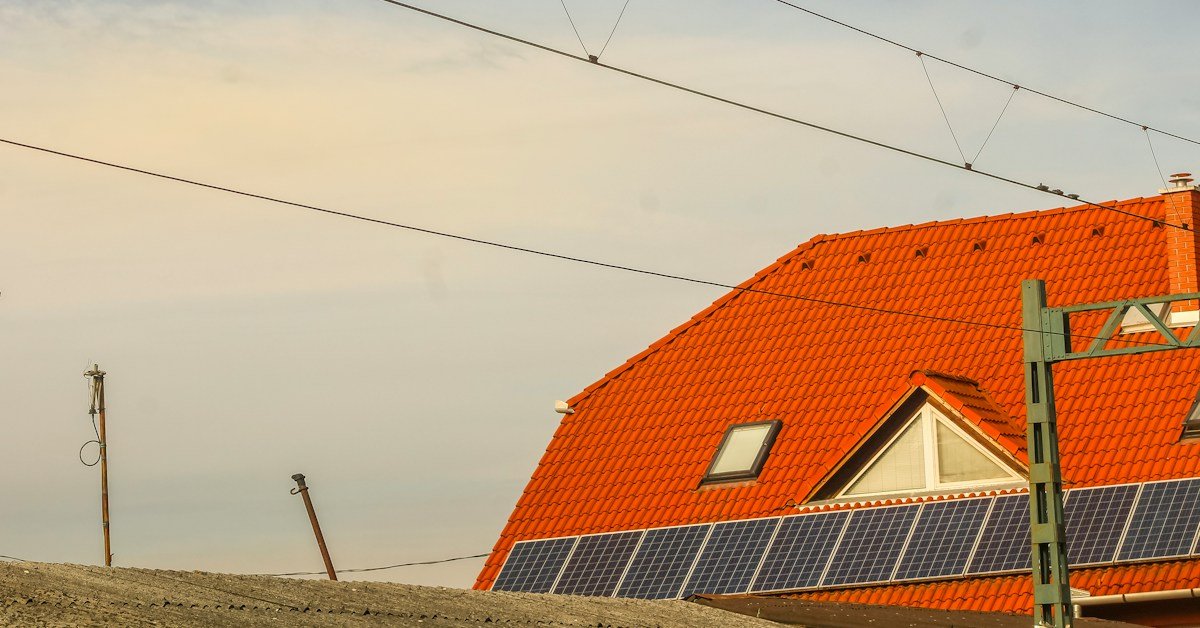
Solar self-consumption in Pakistan means using electricity from your solar system inside your own property instead of sending that electricity to the grid. A home can improve it by running suitable appliances during productive daylight hours, matching demand to available solar power and checking whether battery storage fits its actual backup needs. A bigger panel array alone does not guarantee a better result.
What self-consumption measures
Self-consumption is the share of your solar production that you use on site. If a system produces an illustrative 20 kWh in a day and the home directly uses 12 kWh of that production, direct self-consumption is 60%. The remaining energy may be exported, stored or curtailed, depending on the equipment and operating conditions. Check how your monitoring platform classifies battery charging before comparing its percentage with another system.
Self-sufficiency measures something different: how much of your total electricity demand is supplied by solar. A household using 30 kWh and receiving 12 kWh directly from solar has 40% direct solar self-sufficiency. A system can therefore have high self-consumption while covering only a modest portion of household demand. Both indicators help, but neither replaces a complete electricity bill and backup assessment.
Where exports are restricted, the same surplus question arises in a different form — see how zero-export solar is controlled and what happens to surplus generation.
Start with a household energy diary
Record when the washing machine, water pump, iron, air conditioner and other major loads operate. Include approximate operating duration, not just appliance wattage. A 1 kW appliance running for one hour uses approximately 1 kWh, whereas a brief high-power load can create a large peak without using much daily energy. Motor starting demand also matters for inverter selection.
Compare this diary with at least a week of inverter production data. Sunny and cloudy days will differ, and winter daylight can change the best operating window. The site’s home solar system guide explains how panels, inverter capacity and household requirements fit together before you choose upgrades.
Move flexible loads into the solar window
Run a washing cycle during a period when monitoring shows spare solar output. Fill a water tank in daylight where the plumbing arrangement permits it. Schedule ironing or other flexible tasks while electricity is available, rather than automatically moving every task to the evening. A timer can help, but its rating and installation must suit the appliance.
Stagger large loads. Starting a pump while an iron and air conditioner are already running can push demand above solar production or the inverter’s output rating. Your home might import electricity despite bright sunshine. The solar inverter sizing guide provides useful background on power requirements. Do not alter wiring or protection devices simply to make a monitoring graph look better.
A worked example of load shifting
Consider a home with 20 kWh of daily solar production and 12 kWh of direct daytime consumption. Suppose a washing cycle and water pumping together use 2 kWh after sunset. Moving those tasks into a sunny period could increase direct daytime use to 14 kWh, provided there is enough spare generation when they run. Direct self-consumption would rise from 60% to 70% in this simplified example.
This does not establish a cash saving. Actual bill impact depends on metering, applicable import charges, export treatment, fixed charges and system losses. Check your own bill and electricity provider’s current terms rather than multiplying every shifted unit by a headline tariff. On a cloudy day the same schedule may still require grid electricity.
When battery storage makes sense
A battery can move some daytime energy into the evening and provide backup if the inverter and wiring support that function. It also introduces charging losses, capacity limits, purchase cost and eventual replacement. Begin with essential evening loads and required backup duration, then compare practical usable capacity rather than only a battery’s advertised amp-hours.
For a worked energy-sizing approach, read the home solar battery size and backup guide. Storage designed for long outages may need a reserve that reduces the energy available for everyday evening use. Ask the installer how the selected reserve affects both objectives.
Measure improvements without wasting electricity
Review daily solar production, direct use, grid imports and exports before and after a change. Compare similar weather conditions and note household occupancy. Do not turn on unnecessary appliances just to raise self-consumption. Using less electricity while maintaining comfort can be more valuable than achieving a higher percentage through avoidable consumption.
Ask whether your monitoring system measures whole-home demand or only a backup circuit. Missing meter sensors or incorrect sensor direction can produce misleading numbers. Have the installer investigate suspicious readings, especially unexplained negative demand or energy totals that do not reconcile. Monitoring is useful only when the measurements represent the circuits you are assessing.
Practical checklist before buying an upgrade
- Collect several days of solar and household consumption records.
- Separate essential backup loads from flexible daytime tasks.
- Test safe load shifting before purchasing additional equipment.
- Check inverter limits and available spare generation.
- Request a battery proposal showing usable energy, reserve and compatibility.
- Compare actual bills over time rather than relying on a single sunny day.
Frequently asked questions
Can I improve solar self-consumption without a battery?
Yes. Shifting suitable loads into daylight and staggering appliances can improve direct use without storage. The improvement depends on spare solar production and how flexible your routine is.
Should every appliance run at noon?
No. Simultaneous demand can exceed inverter capacity or available production. Use monitoring to find an appropriate window and spread larger loads across it.
Does high self-consumption mean I can disconnect from the grid?
No. It describes how solar output is used, not whether your system can cover all loads through cloudy weather and overnight. Off-grid capability requires a separate technical assessment.
Is a battery always the cheapest way to save more?
No. Compare purchase cost, losses, replacement assumptions and backup value with simple changes to your routine. Use verified charges from your own electricity account for financial comparisons.