Quick answer: If your rooftop solar system produces less electricity than expected in Pakistan, check the weather, inverter monitoring, shading and visible dirt before assuming the panels are faulty. A useful comparison is energy produced in kilowatt-hours (kWh) over several similar sunny days, not a single momentary power reading. This guide explains a practical, safe method for diagnosing low solar output without opening live electrical equipment.
Why Your Solar Panels May Be Producing Less Electricity
Solar generation changes constantly with sunlight intensity, sun angle, temperature, clouds and the electrical load on the system. A 5kW array is rated under standard laboratory test conditions; it is not expected to deliver exactly 5kW at every hour of the day. In Pakistan, summer heat can reduce instantaneous panel efficiency even when sunshine is strong. Winter days are shorter, while dust and smog may further reduce sunlight reaching the cells.
Some hybrid and on-grid inverters also deliberately limit output. Export restrictions, full batteries, grid outages and inverter settings can affect how much power is generated or displayed. Distinguishing a normal operating limit from a genuine fault is the first step.
Step 1: Compare Daily kWh, Not Only Instantaneous kW
Open the inverter monitoring app or display and look for daily energy generation in kWh. Compare a sunny day with another day that had similar weather, season and operating conditions. A brief reading at 11 AM is not a fair comparison with the same array at 1 PM because sunlight and panel orientation differ.
For example, suppose a system generated 20kWh on one clear day and 12kWh on a heavily overcast day. That difference does not prove a fault. Conversely, a sustained decline during comparable sunny conditions can justify further investigation. Keep screenshots of daily and monthly production graphs so a technician can identify patterns.
Step 2: Check for Shade on the Panels
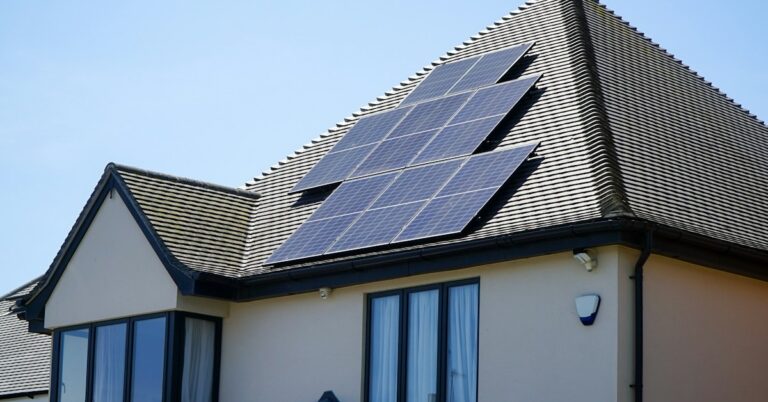
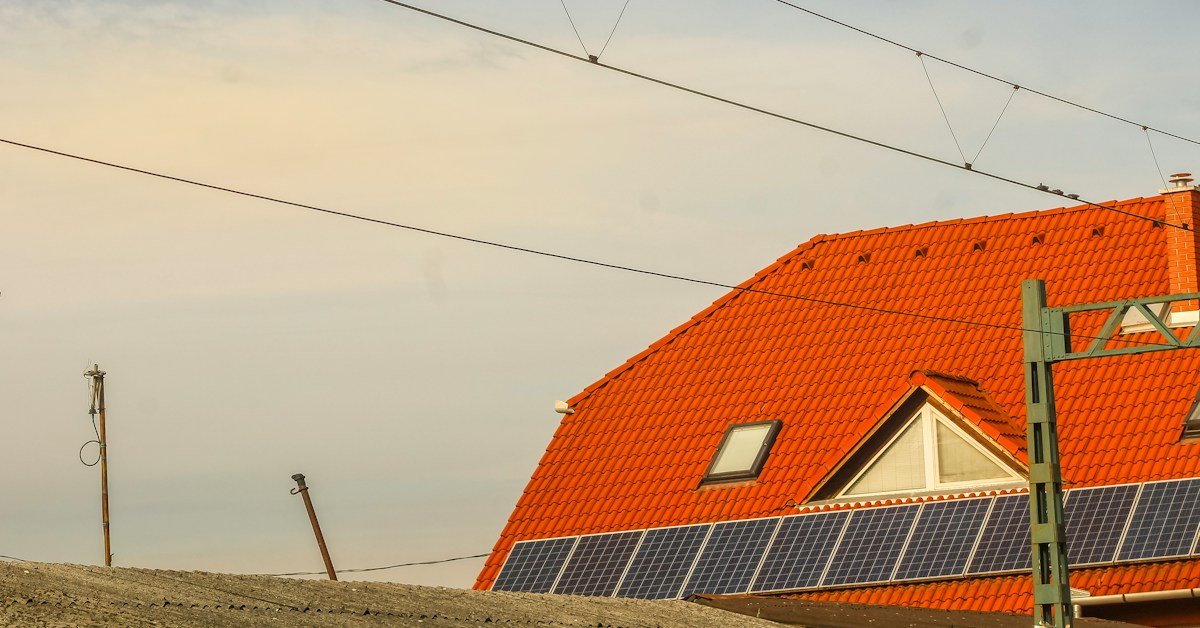
Partial shade from a water tank, parapet, neighbouring building, tree, antenna or new rooftop structure can reduce array output. Even a relatively small shadow can affect a series-connected string, depending on module design and inverter configuration. The shade may only appear at certain times of day or during certain seasons.
Observe the roof from a safe ground-level position or a secure accessible location. Do not climb onto an unprotected roof or touch the panel wiring. If you suspect shade, take photographs at several times of day and ask an installer to assess whether the layout needs improvement.
Step 3: Inspect for Dust, Bird Droppings and Smog
Dusty conditions are common in Lahore, Karachi, Islamabad and other Pakistani cities, but the rate of soiling varies by location and season. Construction dust, agricultural activity, traffic pollution and dry weather may all contribute. Bird droppings can create concentrated shaded spots, while uniform dust may reduce light across the whole module surface.
Look for visible dirt without walking on the roof. If cleaning is needed, follow the manufacturer’s instructions. Avoid abrasive brushes, harsh chemicals, pressure washers and thermal shock from cleaning very hot panels. Use trained professionals when roof access presents a fall risk. Our solar panel cleaning equipment guide explains what to consider before buying cleaning tools.
In winter, the effect can be especially noticeable: see how fog and smog cut winter solar output in Pakistan during hazy months.
Step 4: Understand Temperature Losses
Solar panel power ratings are generally measured at a cell temperature of 25°C under standard test conditions. In hot weather, panel cells can become considerably hotter than ambient air. Most common silicon modules produce less power as cell temperature rises, although the exact temperature coefficient varies by model.
Read the module datasheet for the maximum-power temperature coefficient. For a purely illustrative example, a panel with a coefficient of minus 0.35% per °C could lose roughly 14% of rated power from temperature alone if its cell temperature were 40°C above the reference temperature. This is not a prediction for a specific Pakistani installation. Wind, mounting height and panel design affect actual cell temperature.
Step 5: Check the Inverter Screen for Errors
Most modern inverters show operating status, error codes and basic measurements. Record the exact code, time and operating conditions before contacting your installer. Common categories include grid-voltage abnormalities, communication problems, overtemperature warnings and DC-side faults. An error code must be interpreted using the manual for the exact inverter model.
Do not reset protective devices repeatedly or open an inverter enclosure to investigate. DC solar circuits can remain energised in daylight even when parts of the system appear switched off. Electrical diagnosis belongs to a qualified solar electrician.
Step 6: Check Whether the Inverter Is Clipping Output
Inverter clipping happens when the available DC power exceeds the inverter’s permitted AC output. For example, a 6kW solar array connected to a 5kW inverter may occasionally produce a flat-topped power graph near the inverter’s limit. This can be a normal design choice rather than a fault, provided the panel-to-inverter sizing follows manufacturer requirements.
Other limits can look similar on monitoring charts. Export-control settings, grid conditions and battery charging behaviour may also restrict output. Ask the installer to check the design documentation and settings instead of changing limits without approval.
Step 7: Look for String or MPPT Imbalances
Many hybrid inverters have more than one maximum power point tracker (MPPT). If two comparable strings are installed in similar orientations but one consistently produces much less, there may be a difference in shading, panel count, wiring, connectors or equipment condition. However, strings with different orientations or capacities should not be expected to match.
Take screenshots of each MPPT’s reported voltage, current and power, if your inverter provides those readings. Give the information to your installer. Never disconnect MC4 connectors under load or test rooftop DC wiring without proper qualifications and equipment.
Quick Troubleshooting Table
| What you notice | Possible explanation | Safe next step |
|---|---|---|
| Output drops on cloudy days | Lower sunlight | Compare similar-weather days |
| Output falls at the same hour daily | Recurring shadow | Photograph shade pattern from a safe position |
| Gradual decline in dry season | Dust and soiling | Inspect and arrange safe cleaning if needed |
| Power curve has a flat top | Inverter or export limit | Review system design and settings with installer |
| Sudden zero output and warning | Grid condition or equipment fault | Record error code and contact qualified support |
| One MPPT much lower | Different string layout or possible fault | Share monitoring readings with installer |
What Is a Normal Solar System Performance Ratio?
Performance ratio compares actual system energy with the energy expected from the sunlight reaching the array, after accounting for system rating. It can help professionals evaluate losses, but calculating it accurately requires reliable irradiance measurements and appropriate time periods. A single universal percentage cannot diagnose every rooftop installation. Panel orientation, inverter efficiency, temperature, wiring, soiling and downtime all affect results.
For homeowners, a more practical first step is to establish a baseline using several clear days and monthly production history. If a significant unexplained change persists, ask your installer for a professional performance test.
When Should You Call a Solar Technician?
Call a qualified technician if the inverter reports persistent faults, output suddenly falls under similar conditions, wiring looks damaged, connectors show signs of overheating, or water has entered electrical equipment. Do not touch exposed conductors or attempt to bypass safety switches. A proper inspection may include checking mounting, module condition, insulation, string electrical measurements and inverter logs.
Keep a record of the installation date, panel models, inverter model, warranty documents and any previous repairs. This documentation can help identify the cause and support an eligible warranty claim. For more rooftop planning tips, see our solar panels on the roof guide.
Frequently Asked Questions
Why does my 5kW solar system show less than 5kW?
The 5kW rating is measured under standard conditions. Sun angle, heat, clouds, shade, soiling and inverter limits can all reduce instantaneous output.
Can hot weather reduce solar panel power?
Yes. Many solar panels generate less power as cell temperature rises, even on sunny days. The exact effect depends on the panel’s temperature coefficient.
Will cleaning always restore lost production?
No. Cleaning may help if soiling is the cause, but shading, inverter limits, equipment faults and weather require different solutions.
Should I open my inverter to check a low-output problem?
No. Use the external display or monitoring app and ask a qualified technician to inspect electrical equipment.
How long should I monitor before calling an installer?
Persistent warnings, damaged wiring or unsafe conditions need immediate professional attention. For a mild unexplained decline, compare several days with similar weather and document the pattern.
Final Checklist
Compare daily kWh readings, note the weather, check for visible shade and dirt, review inverter alerts and preserve monitoring screenshots. Most importantly, do not mistake normal seasonal variation for a defective panel. A measured, safety-first diagnosis can save unnecessary expenses and help your installer find a real problem faster.